



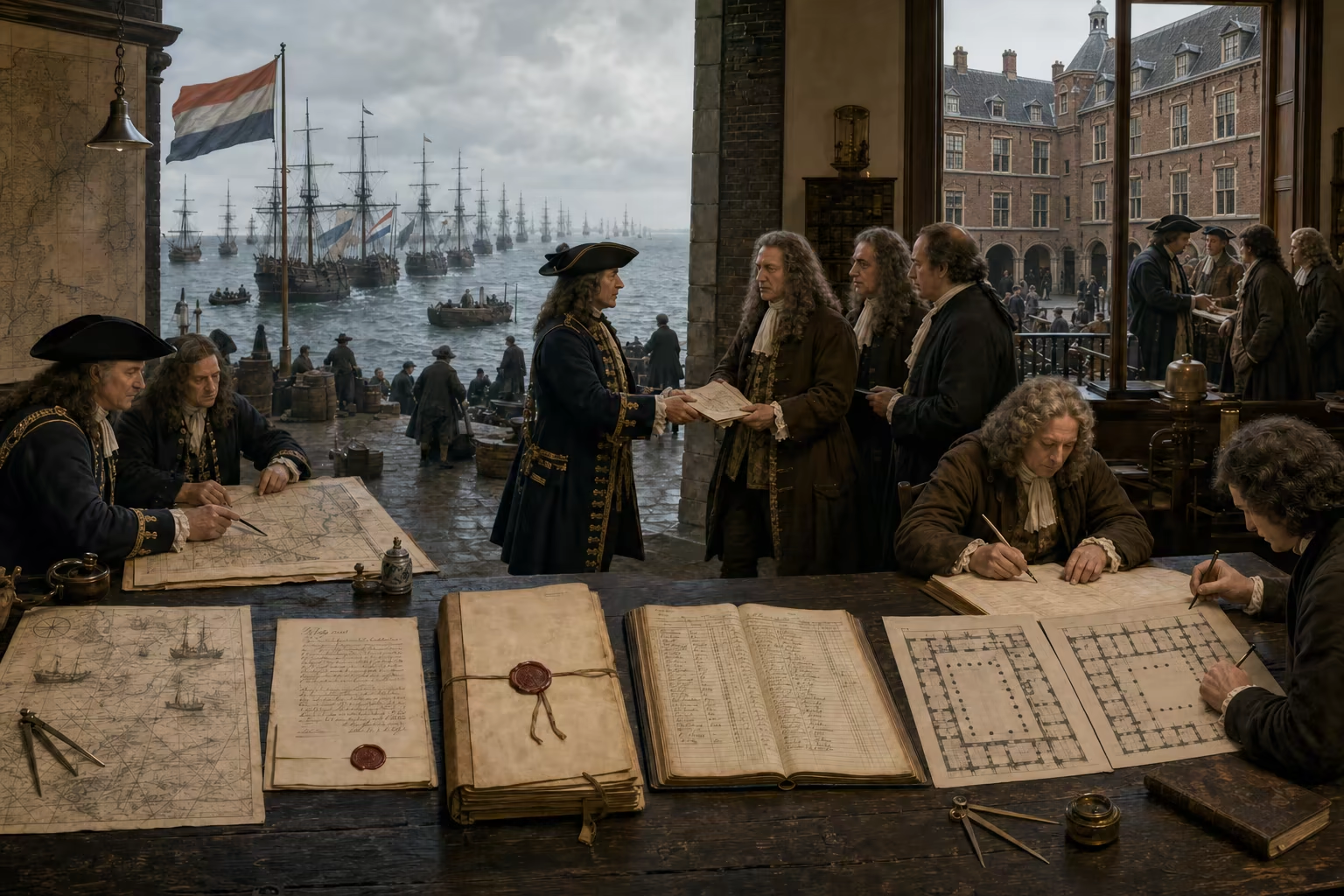
The Beggars Take Brill
An improvised seizure of an empty royal port gave revolt the protected waterways, town walls and civic decisions from which a republic could grow.
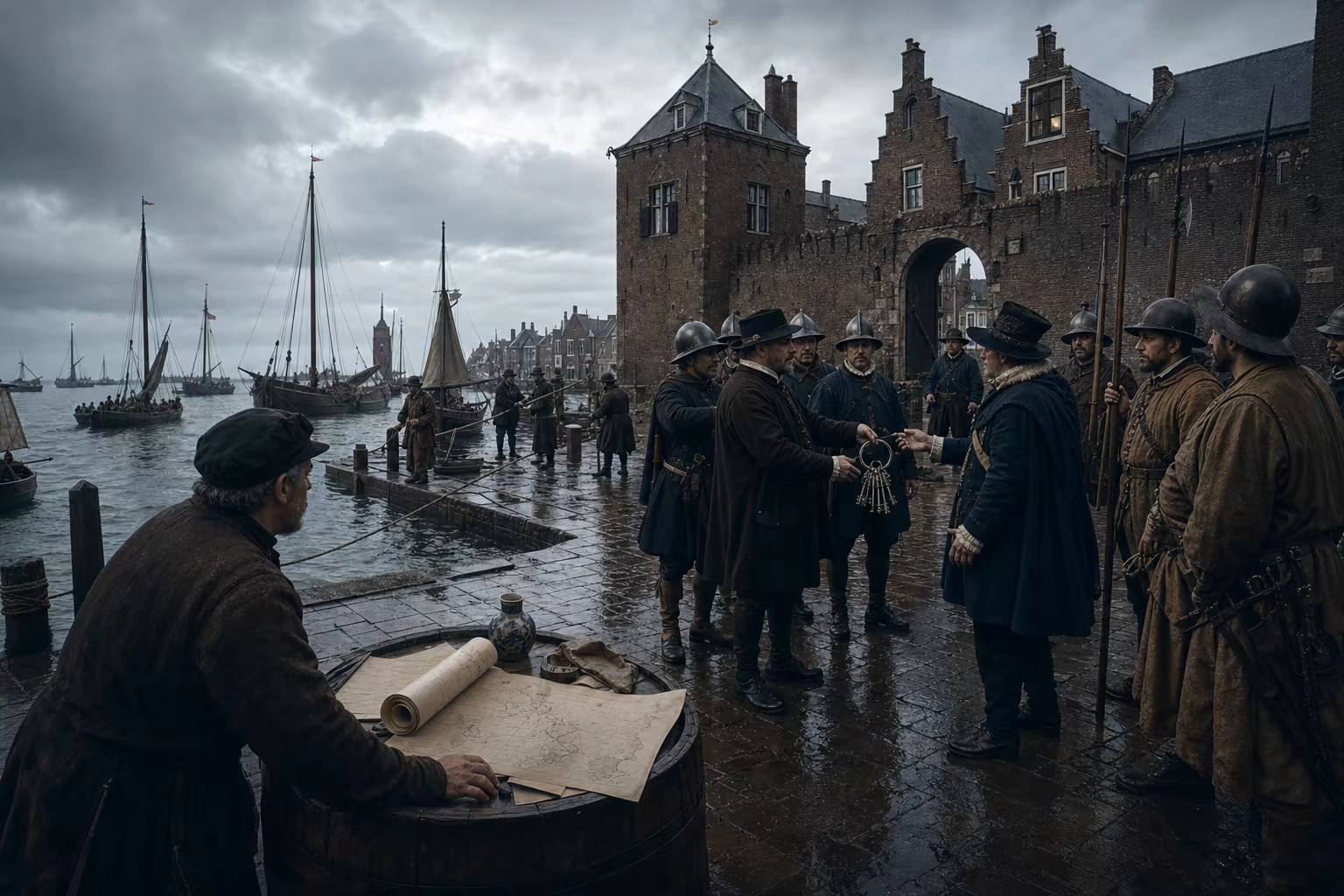
On 1 April 1572, a fleet of exiled rebels entered the Maas estuary looking for food and anchorage. The Sea Beggars found Brill without its Spanish garrison. William van der Marck, lord of Lumey, and Willem Bloys van Treslong brought their men ashore, forced a gate and occupied the town. The seizure had not followed William of Orange's campaign plan, and Brill offered little treasure. It offered a harbour behind walls. Ships that had lived from raids now possessed a place where stores could be landed, guns mounted and a municipal government required to choose a side.
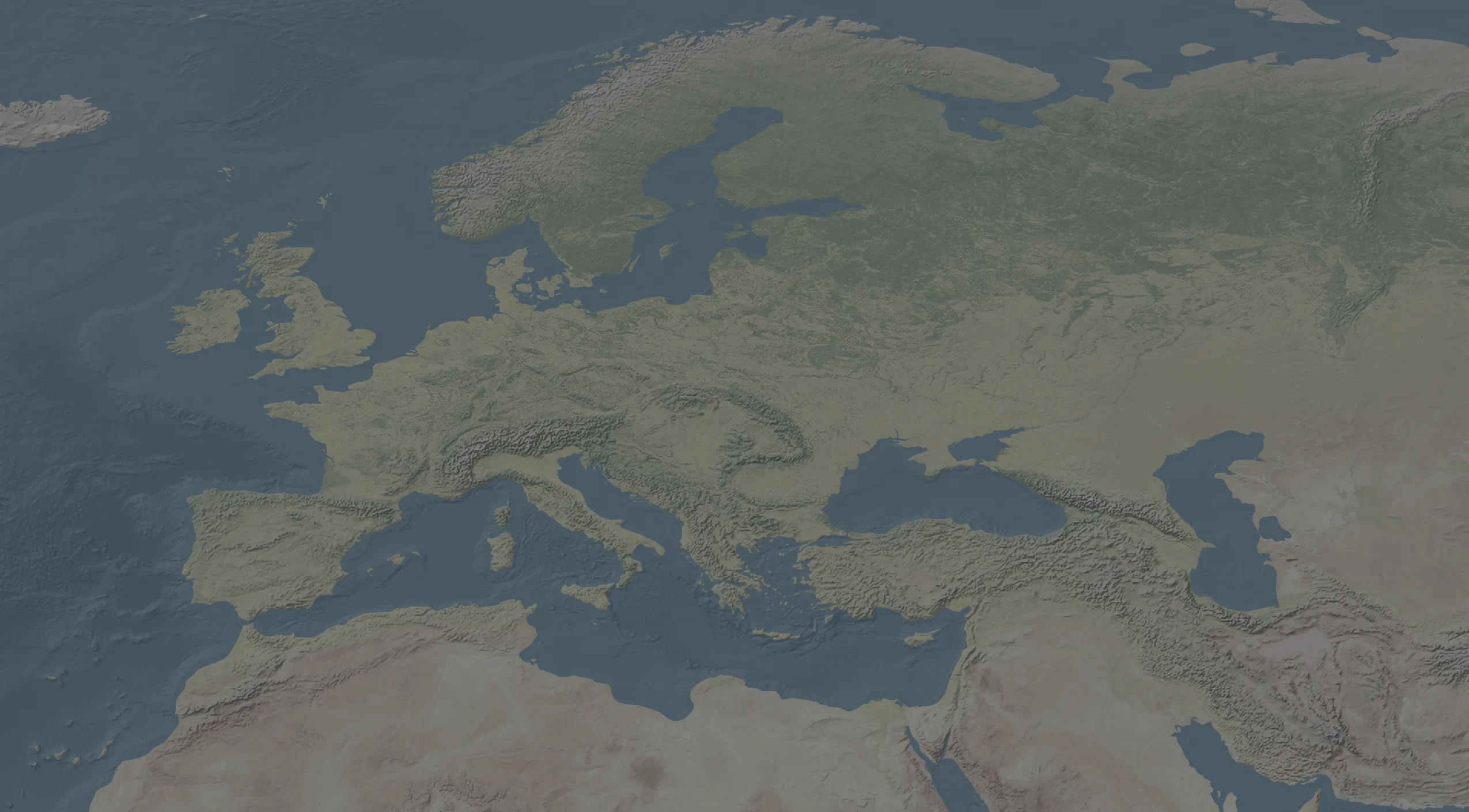
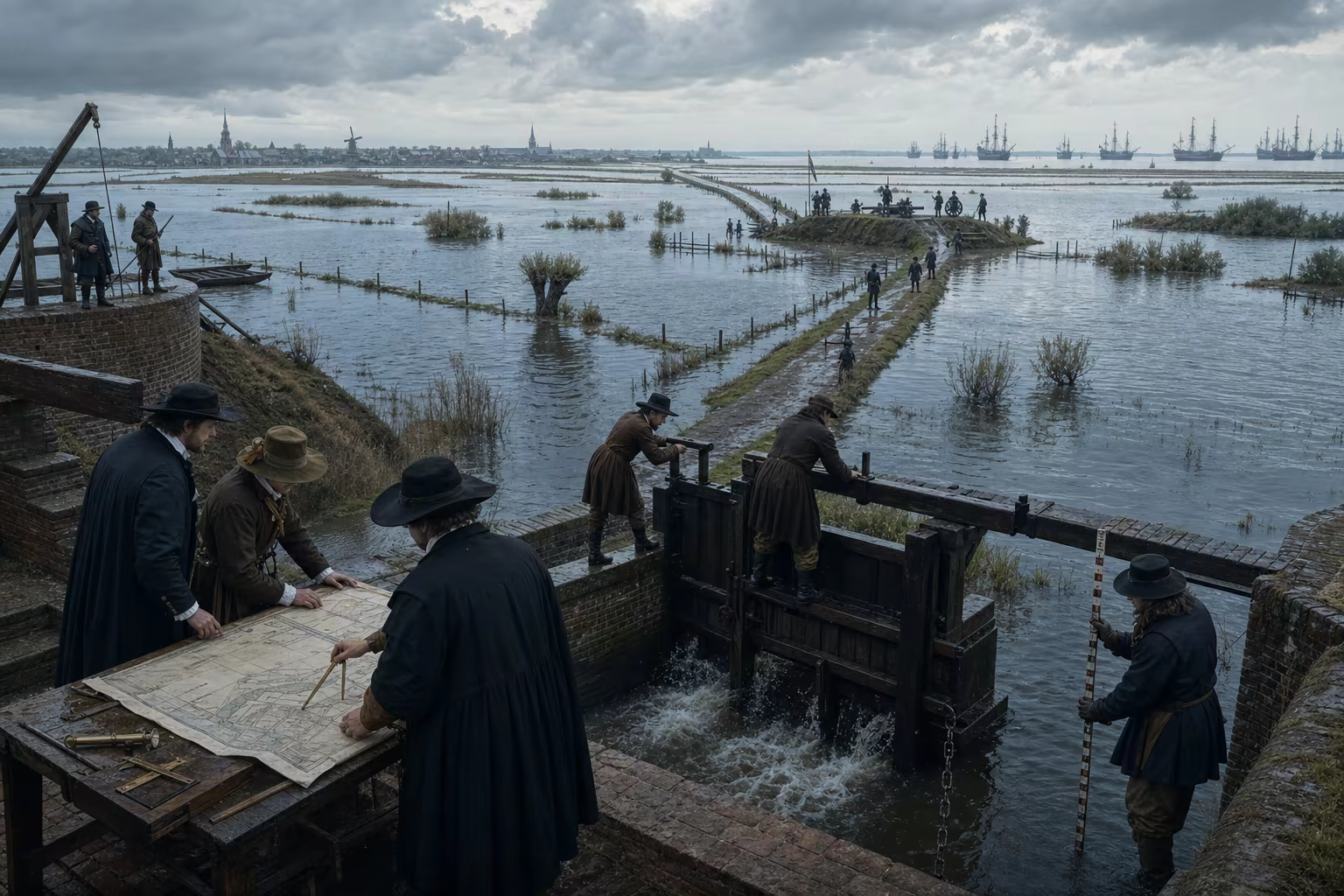
News moved through the water towns faster than a royal army. Flushing expelled its garrison within days; Veere, Enkhuizen and other towns in Holland and Zeeland followed during the spring and summer. Local regents, militia captains, Calvinist exiles and seamen made separate decisions whose force accumulated through connected canals and estuaries. The rebels could supply one town from another, interrupt royal movement by water and admit Orange's officers through gates opened by citizens. Geography converted scattered resistance into a defensible coastal belt.
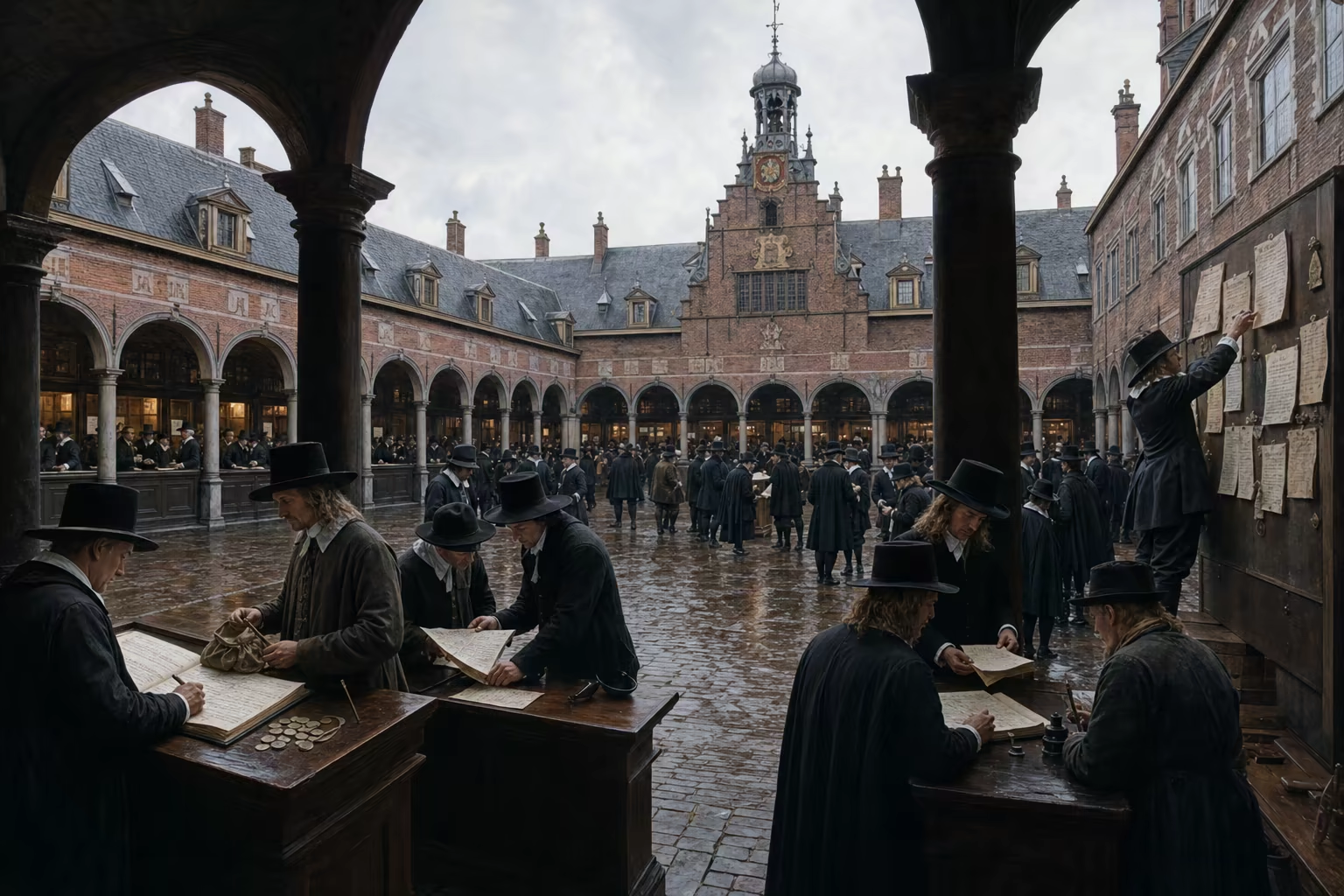
Delegates from the rebel towns met at Dordrecht in July. They recognised Orange as stadholder of Holland, promised money for the war and began directing taxation and defence through provincial institutions already familiar to their cities. Philip II's government retained formidable armies and much of the Netherlands; it now faced fortified towns able to collect revenue and coordinate soldiers. Brill had supplied the revolt with an address. Every captured key, harbour account and militia watch thereafter made rebellion more capable of enforcing decisions and surviving the departure of the ships that had first opened the gate.
What survived
- Sea Beggars occupied Brill on 1 April 1572 after finding that its Spanish garrison had left the port.
- A succession of towns in Holland and Zeeland declared for the revolt, and the Dordrecht meeting of July 1572 recognised William of Orange and organised provincial support for war.
Jonathan Israel (1995)Marjolein ’t Hart (2014)Geoffrey Parker (1985)