


The Coffeehouse Makes a Present
Commercial news gathered strangers around the same dated sheets and gave London a common present renewed from one post to the next.
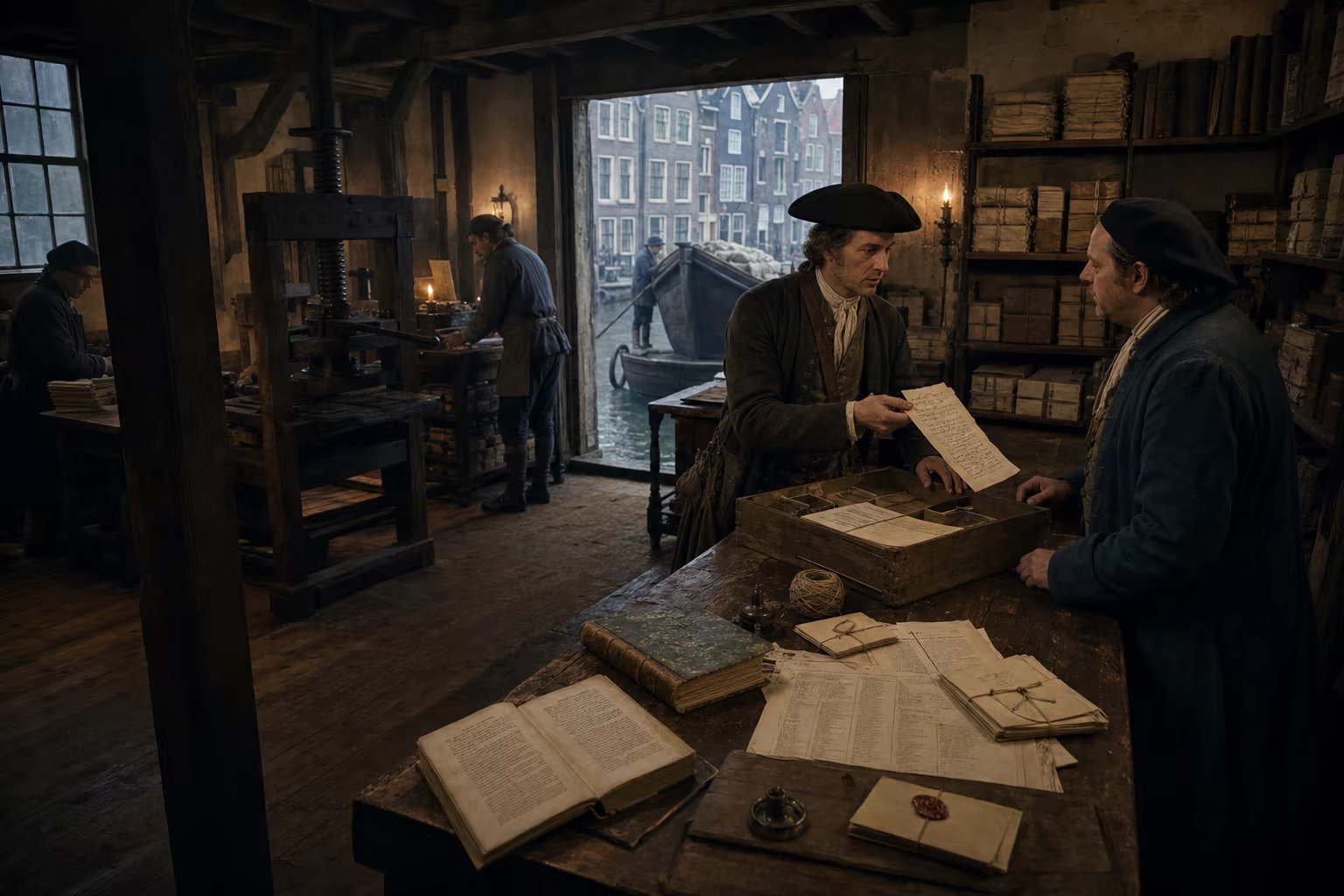
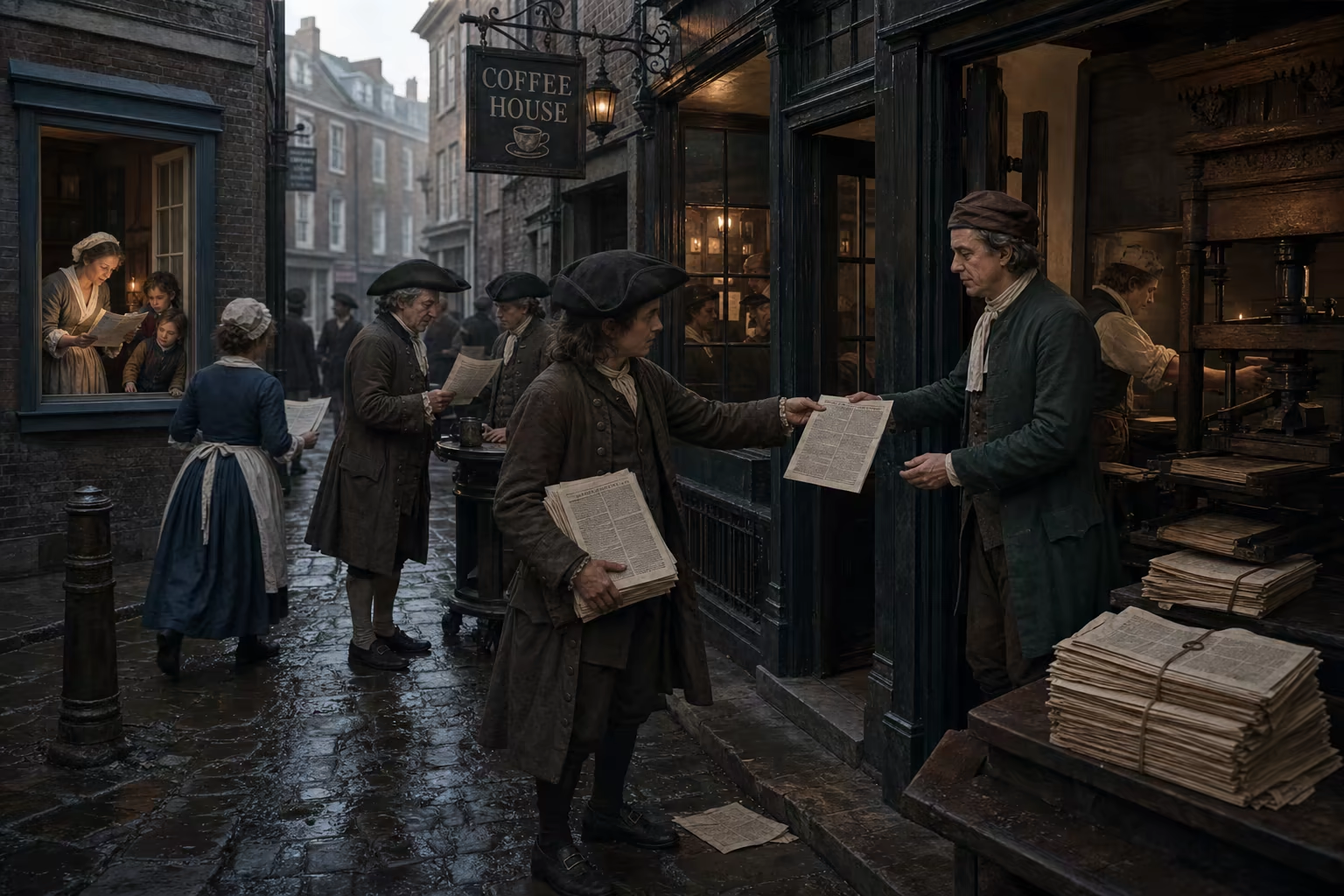
A London coffeehouse opened early enough to catch the morning post. For a penny, a customer bought coffee, company and access to papers that few households could gather alone. Shipping lists named vessels expected from the Baltic or the Levant. Advertisements offered books, medicines, auctions and missing property. Parliamentary reports, diplomatic intelligence and prices moved from a messenger’s packet to the proprietor’s table. A merchant looking for an overdue ship and a writer listening for an argument bent over the same sheet.
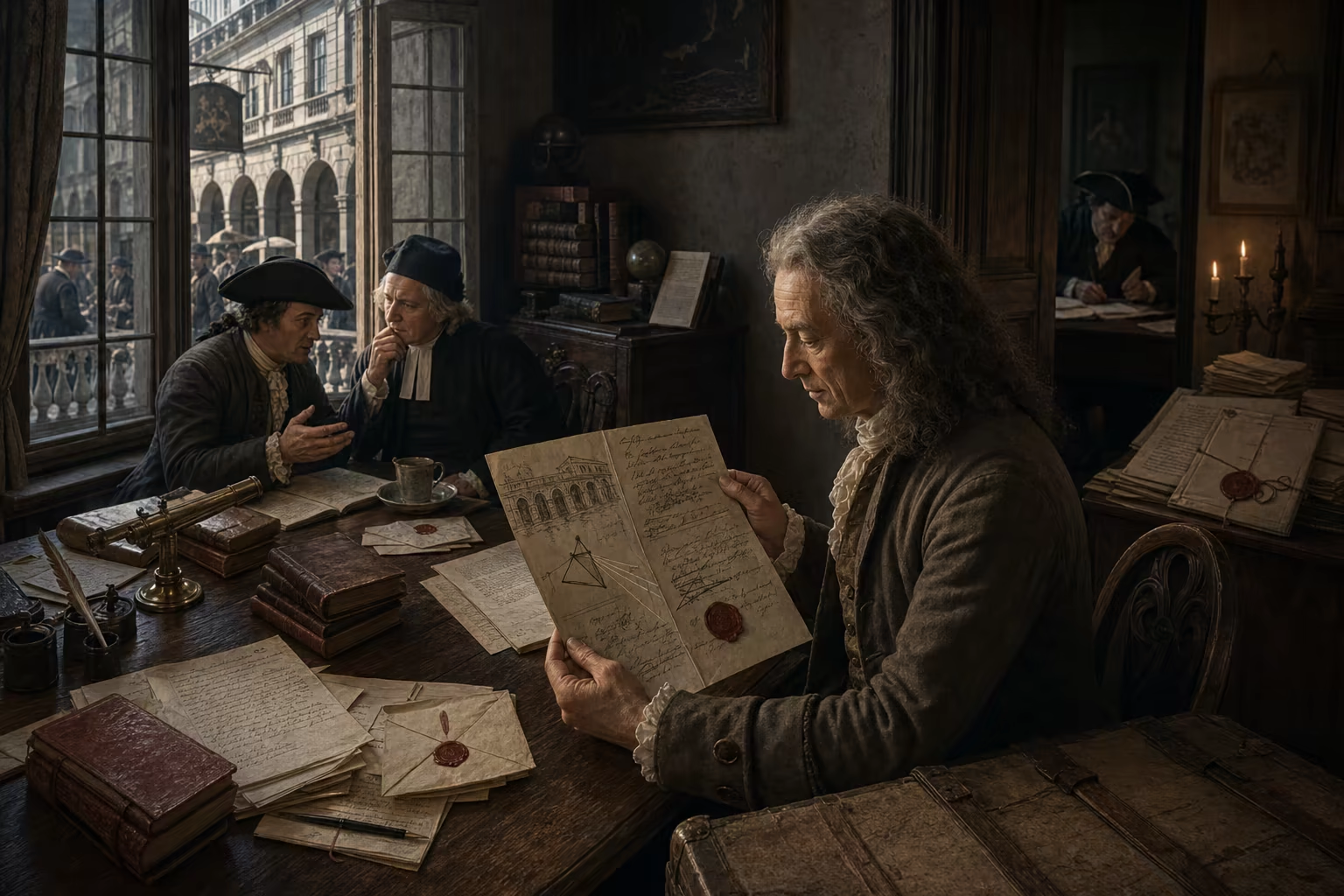
The room sorted information by use. Marine insurers clustered near Lloyd’s coffeehouse, dealers and brokers developed their own preferred addresses, and political talk gave other houses a partisan reputation. Readers copied items into letters, challenged a report with news from another port and carried a memorable passage into the street. Spoken conversation supplied correction, ridicule and emphasis; print fixed the date and wording long enough for absent readers to answer. Regular posts and repeated publication made yesterday’s uncertainty visible against today’s report.
No invitation from the royal court was required to enter this exchange. The coffeehouse depended on trade, proprietors, printers, carriers and customers whose reasons for reading differed. Their shared attention gave a report consequence. A failed project could become a joke across several rooms; a parliamentary speech could circulate beyond Westminster; the arrival of a fleet could alter prices before an official ceremony announced it. London’s public life acquired a daily pulse because commercial print let strangers inhabit the same moment and judge what belonged in it.
What survived
- Late seventeenth- and early eighteenth-century London coffeehouses supplied access to newspapers, commercial intelligence and conversation for the price of admission and a drink.
- Particular houses developed occupational and political clienteles, allowing printed reports to move through specialised communities and then back into wider urban discussion.
James Van Horn Melton (2001)Brian Cowan (2005)Roy Porter (2000)
Make the coffeehouse paper
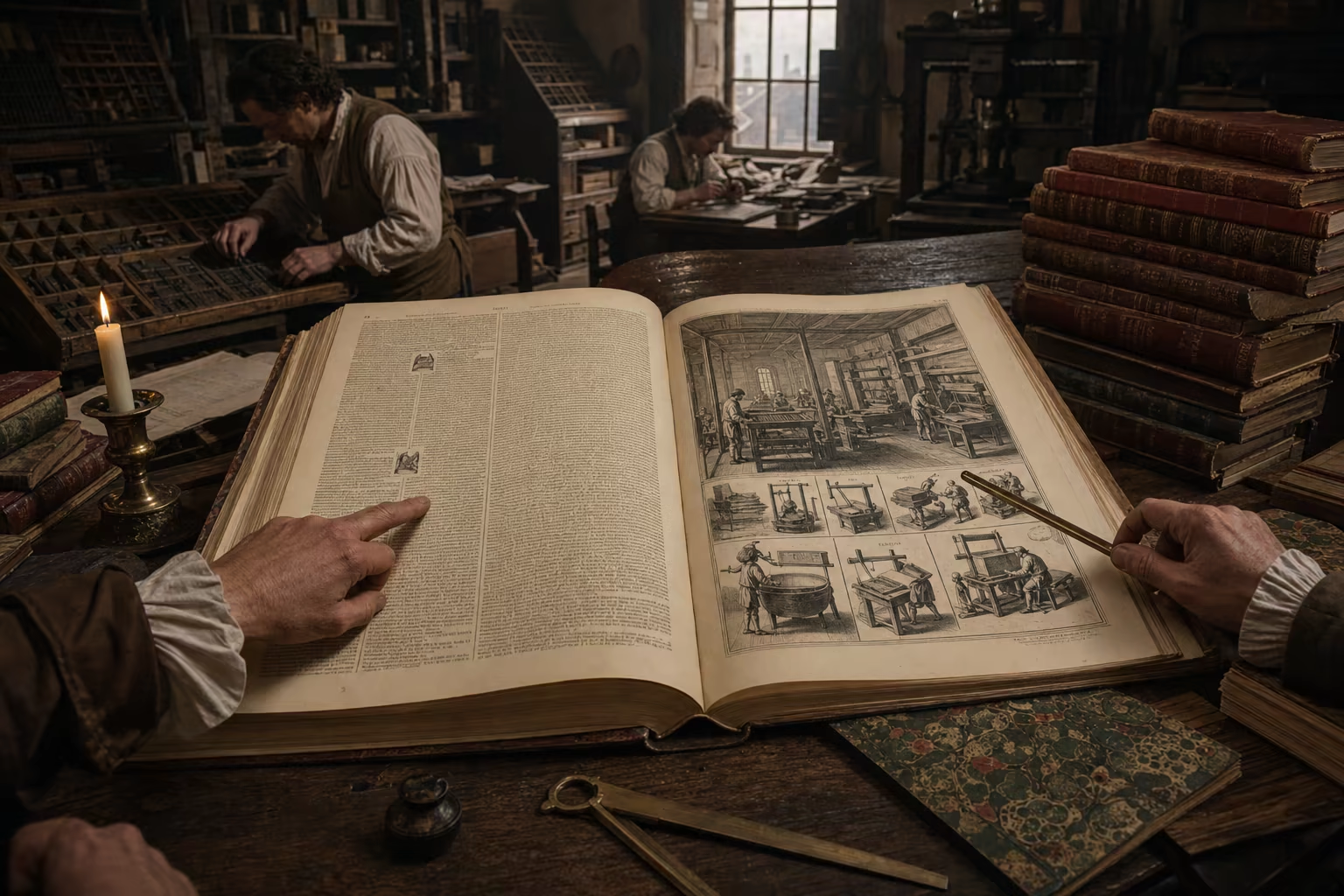
Four printed items move from a compositor’s tray to different coffeehouse tables, showing how one issue gives strangers a common present for commerce, politics, purchase and criticism.
Arrival becomes public knowledge
- From the tray
- Port arrivals and sailing reports
- First table
- Merchants, captains and insurers
- Judgment
- Compare report, price and private letter
Westminster enters the room
- From the tray
- Speech, division and ministerial news
- First table
- Partisan readers and office seekers
- Judgment
- Compare policy with interest and reputation
The city declares its wants
- From the tray
- Paid notice and address
- First table
- Buyers, sellers and projectors
- Judgment
- Trust, compare and carry the notice onward
Manners become discussable
- From the tray
- Signed voice or familiar persona
- First table
- Readers, writers and listeners
- Judgment
- Approve, ridicule, quote and reprint
Names of vessels, ports, cargoes and reported losses give merchants and insurers a dated field of shared uncertainty.