Europe Counts What Remains
Reconstruction began when exhausted Europeans counted the living, cleared streets and restored the ordinary offices through which a society could act again.
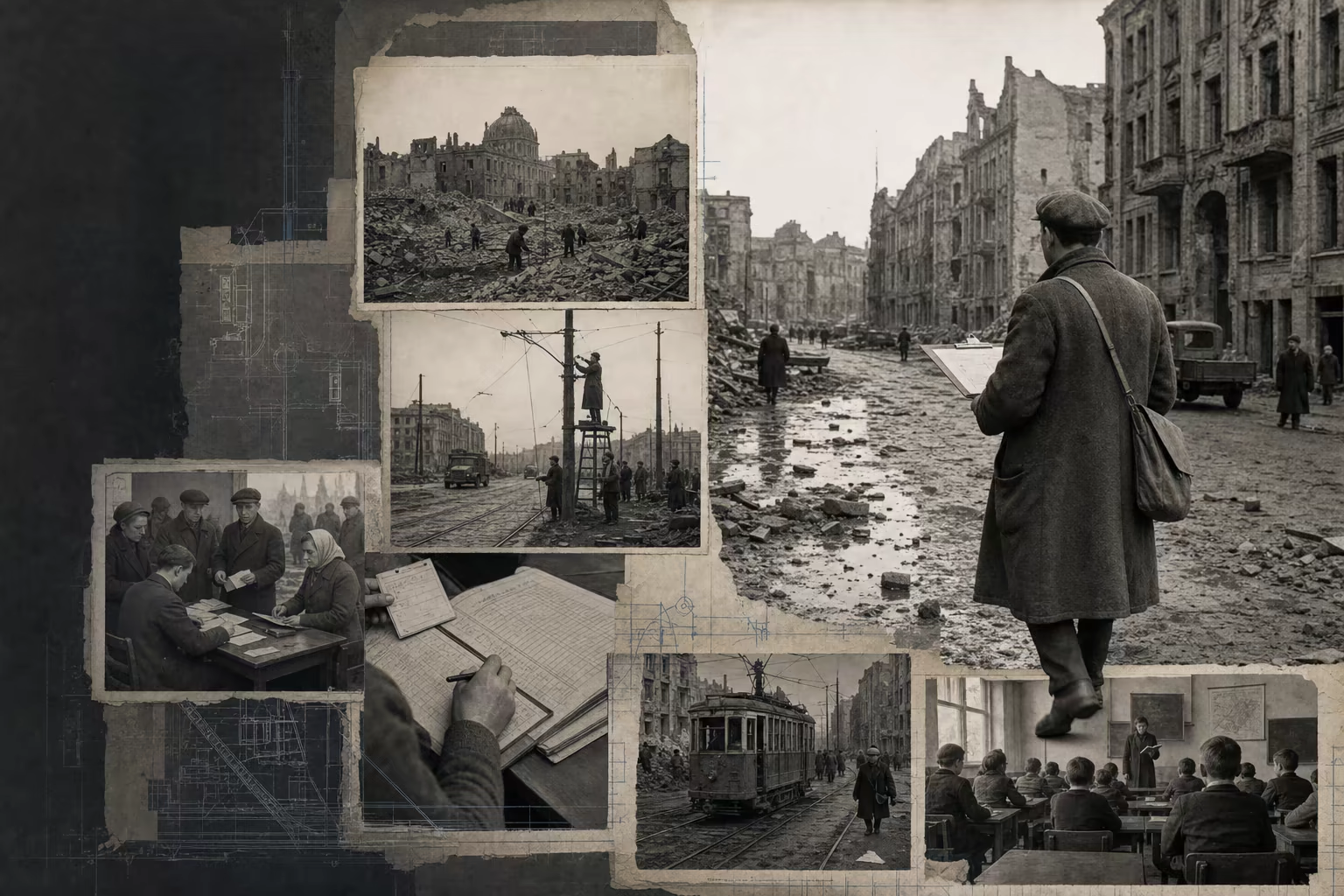
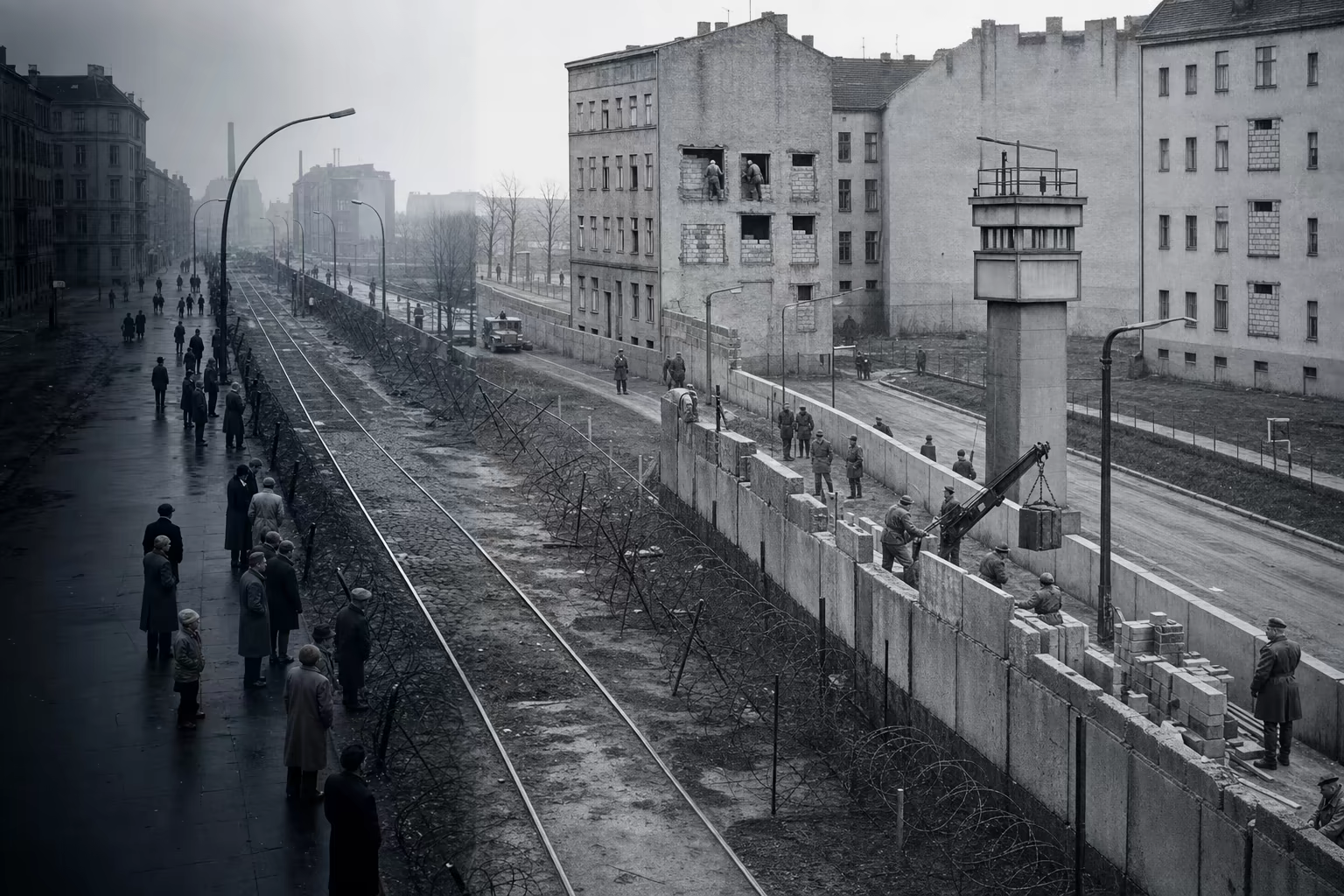
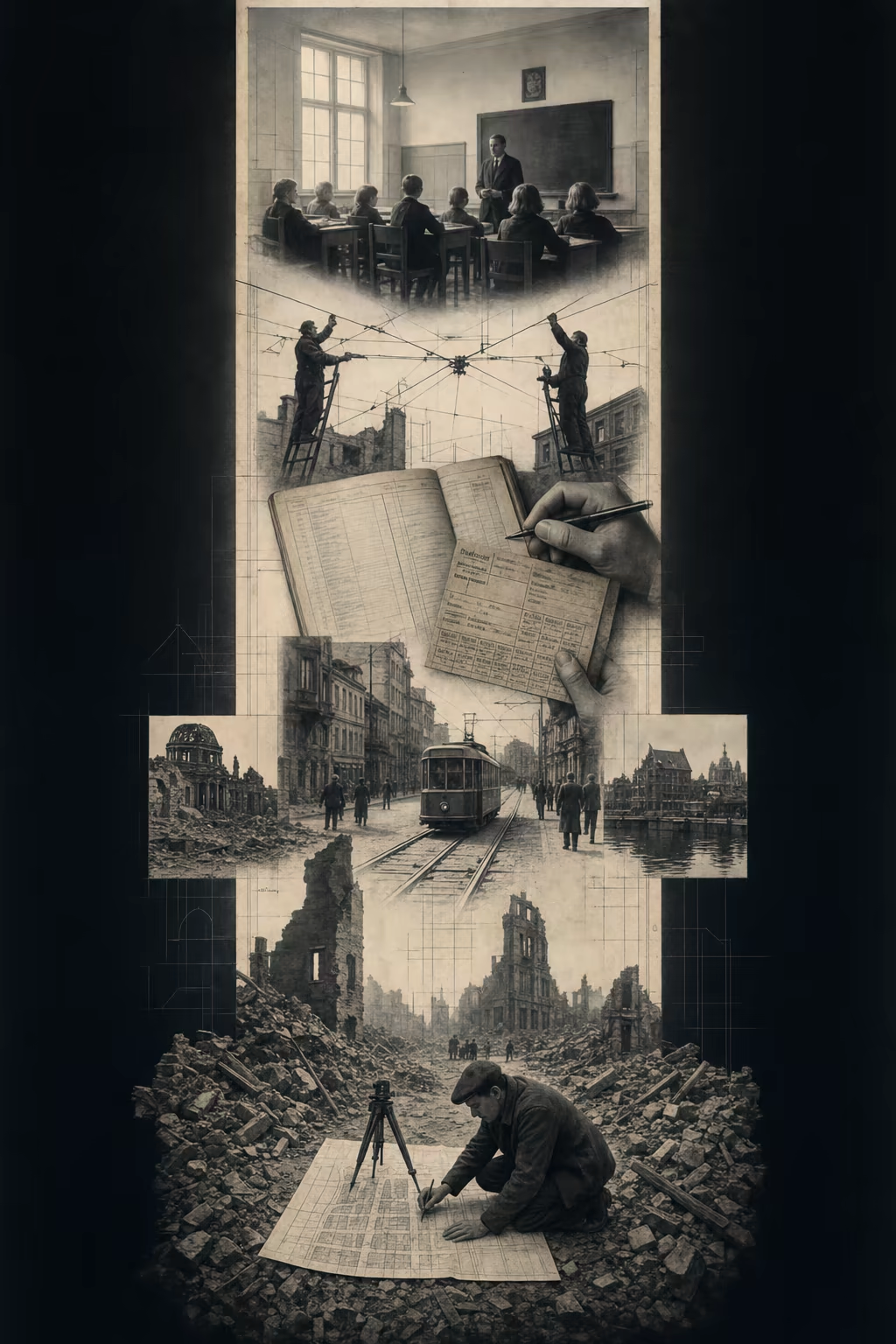
A surveyor stepped through Warsaw with a board, pencil and street plan whose buildings no longer stood. German forces had destroyed the greater part of the capital during the occupation and after crushing the uprising of 1944. Berlin ended the war as a burned and divided administrative centre. Rotterdam’s cleared heart still exposed the violence of 1940. Across the continent, bridges lay in rivers, rails ended at craters and families searched station platforms for people dispersed by battle, deportation, forced labour, border changes and the camps.
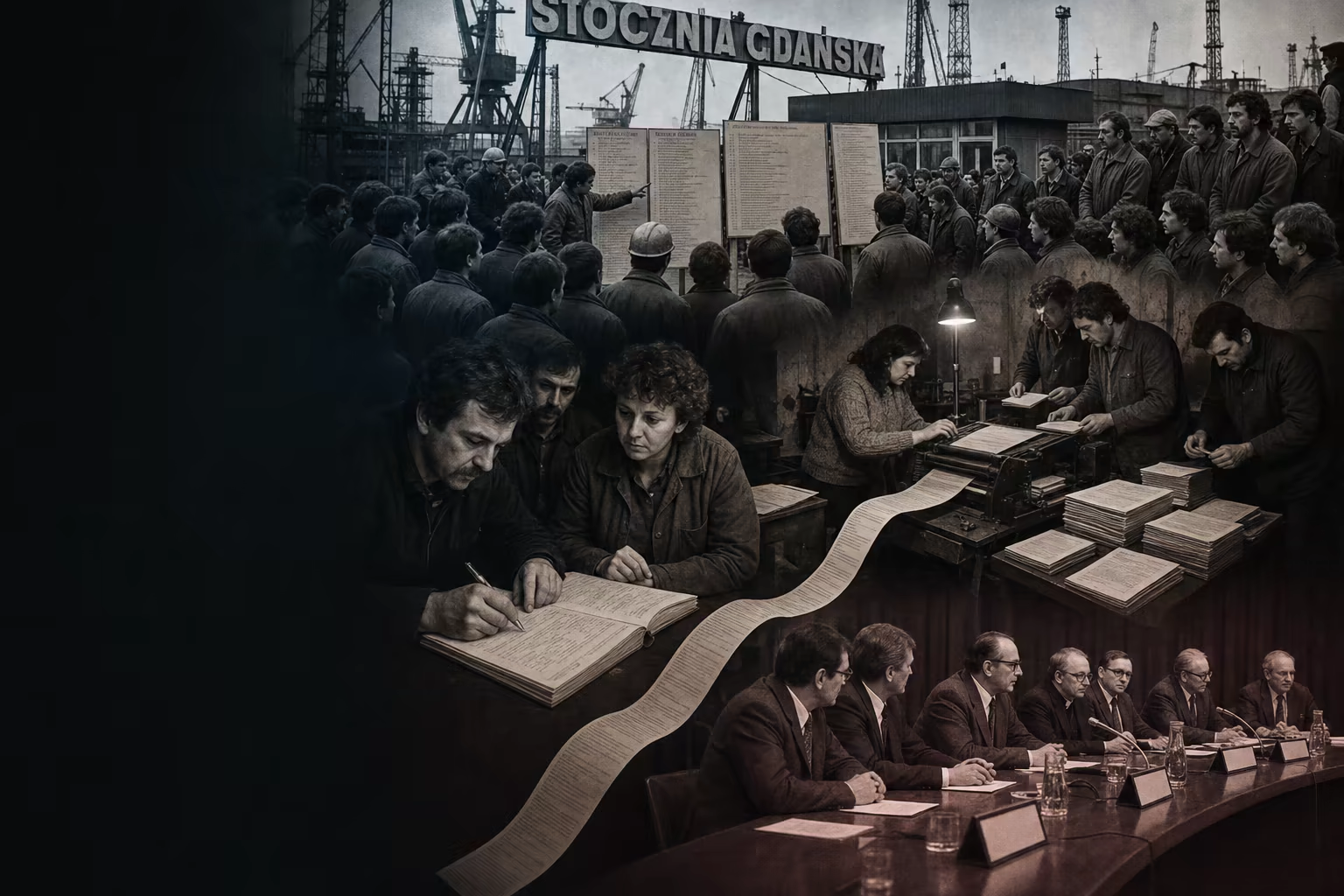
Recovery first appeared as lists. Municipal clerks registered residents and assigned rooms in surviving buildings. Engineers marked unstable walls, restored pumps and strung tram wire across cleared avenues. Ration offices converted scarcity into named claims on bread, coal and milk; schools collected children into rooms with repaired windows; railway workers joined short usable lengths of track into longer ones. Citizens carried brick by hand while local authorities, occupation governments and relief agencies brought food, medicine, tools and transport into cities whose tax base and machinery had disappeared.
A working register allowed a family to receive a ration; a repaired line carried coal to a power station; electricity returned workshops to production and gave a city evening light. Europe had lost millions of citizens and much of its material capital, yet it retained engineers, councils, cooperatives, ministries, churches, unions and habits of public administration. Reconstruction began as the deliberate recovery of ordinary competence. Each ruined state could pursue it alone, or resources arriving from across the Atlantic could teach the western half of Europe to plan together.
What survived
- German occupation and deliberate destruction left most of Warsaw’s built fabric in ruins, while Berlin and Rotterdam also faced immense housing, transport and utility damage.
- Municipal registration, rationing, debris clearance, transport repair and international relief restored the basic systems on which later economic recovery depended.
Tony Judt (2005)Mark Mazower (1998)