



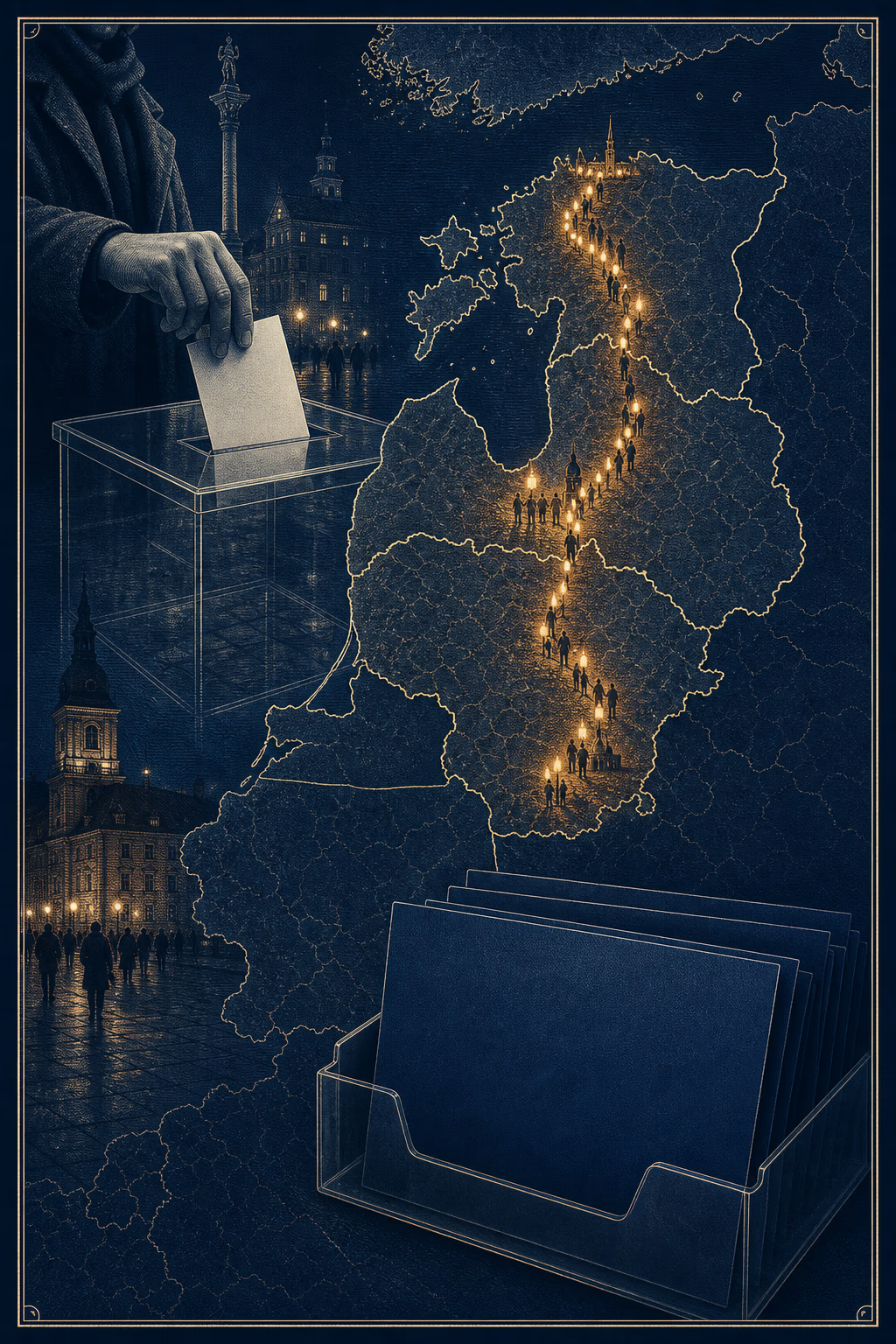
The States Return to the Map
The eastern nations emerged from communist rule not as blank territories but as political communities recovering the right to govern themselves.
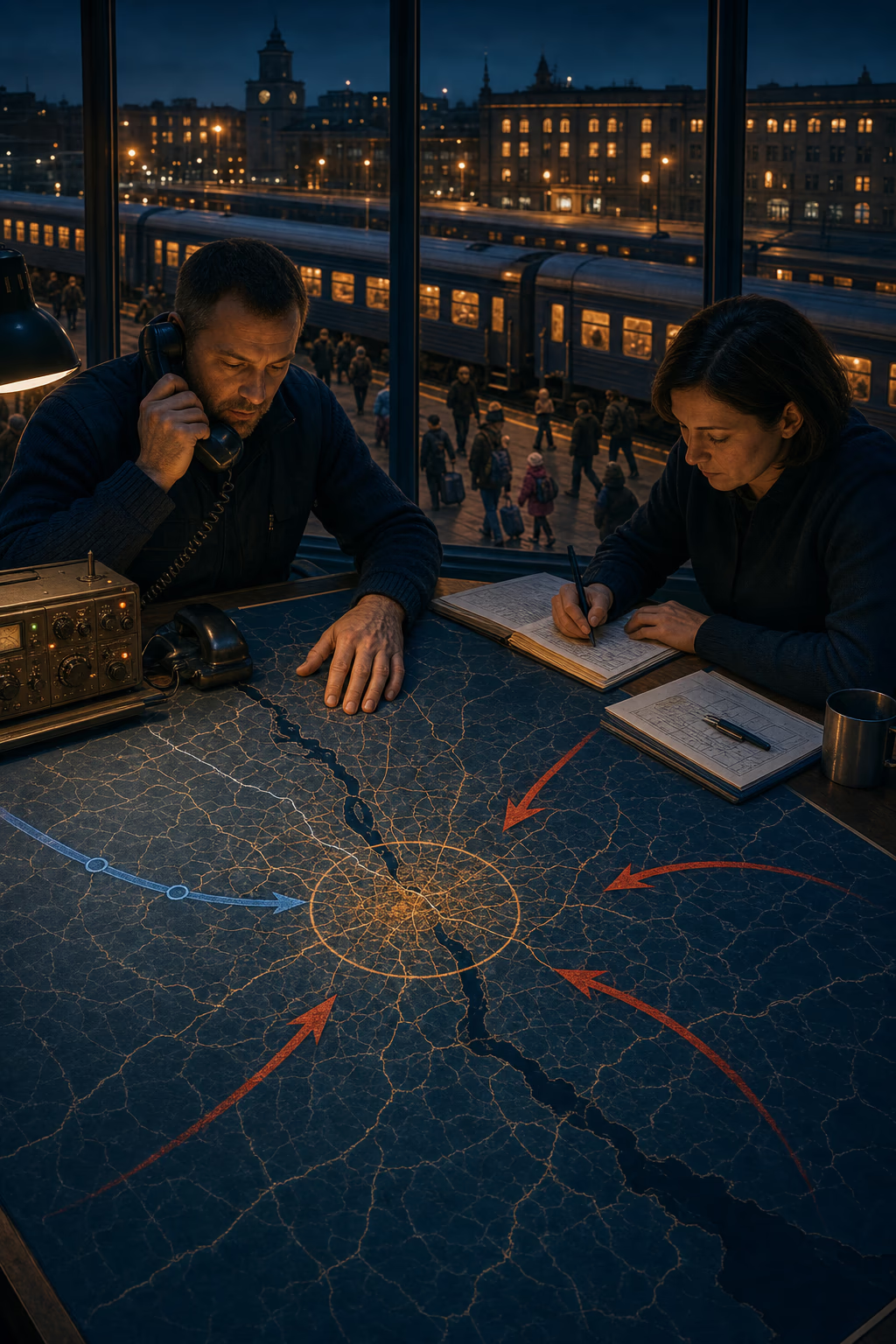
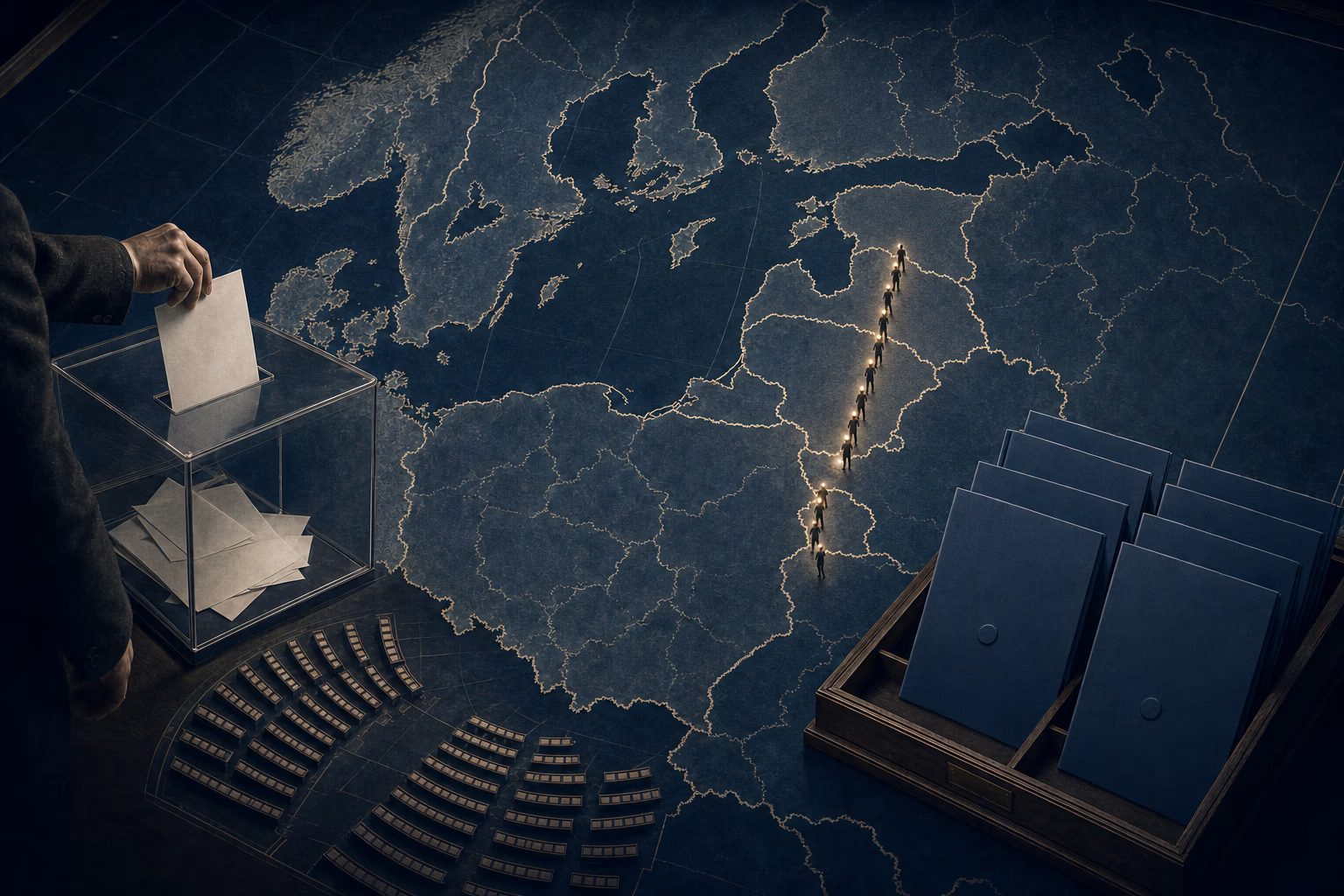
In June 1989, Polish voters used the space permitted by a negotiated election to break the communist monopoly. Across the two voting rounds, Solidarity candidates won all 161 freely contestable seats in the Sejm and ninety-nine of the hundred seats in the restored Senate. A government led by a Solidarity adviser followed. Hungary opened its border and proclaimed a republic; Czechoslovakia’s civic revolution carried Václav Havel from prison and theatre into the presidency. The states that had been treated as a Soviet glacis recovered voices of their own, and each voice spoke first in the grammar of national law.
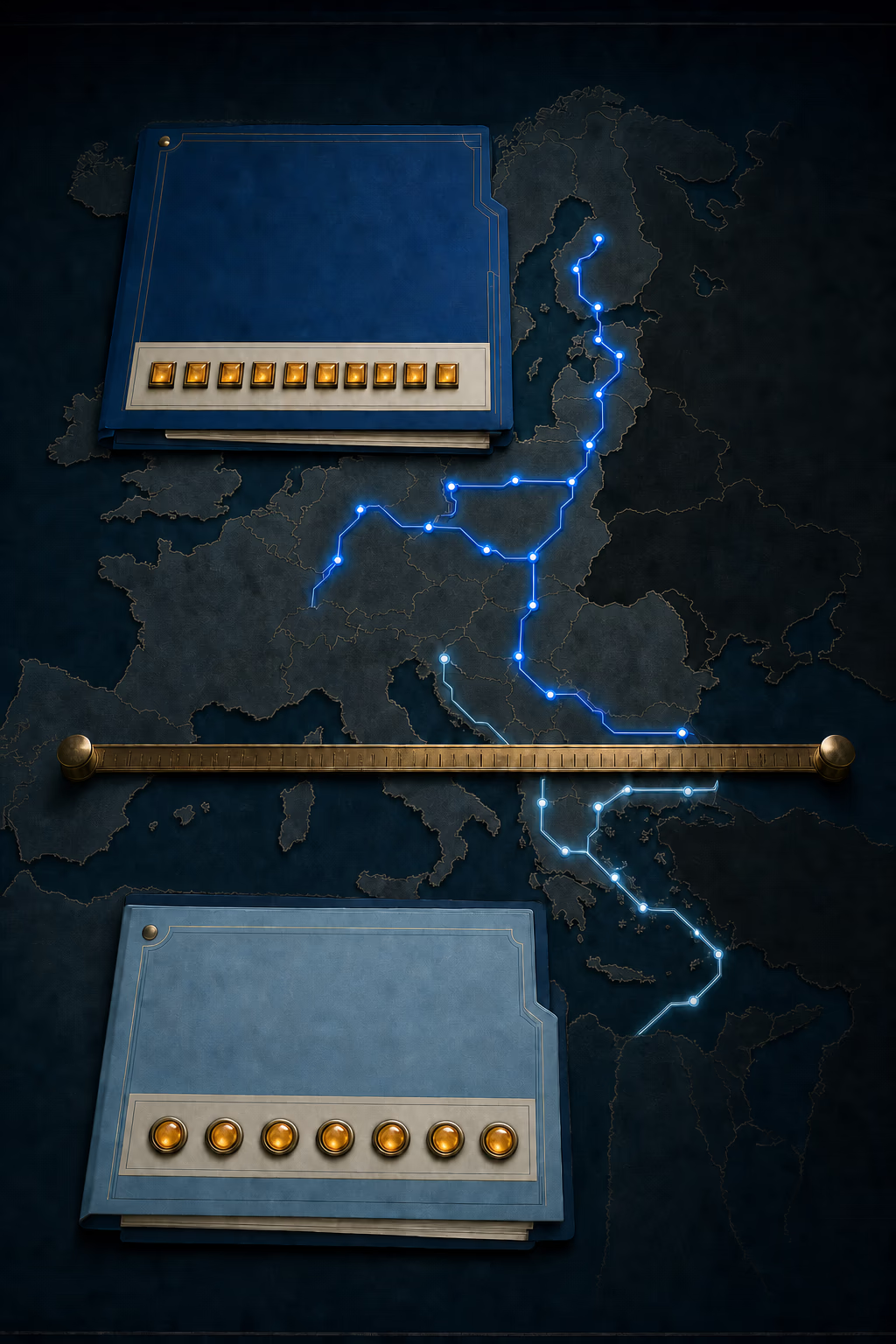
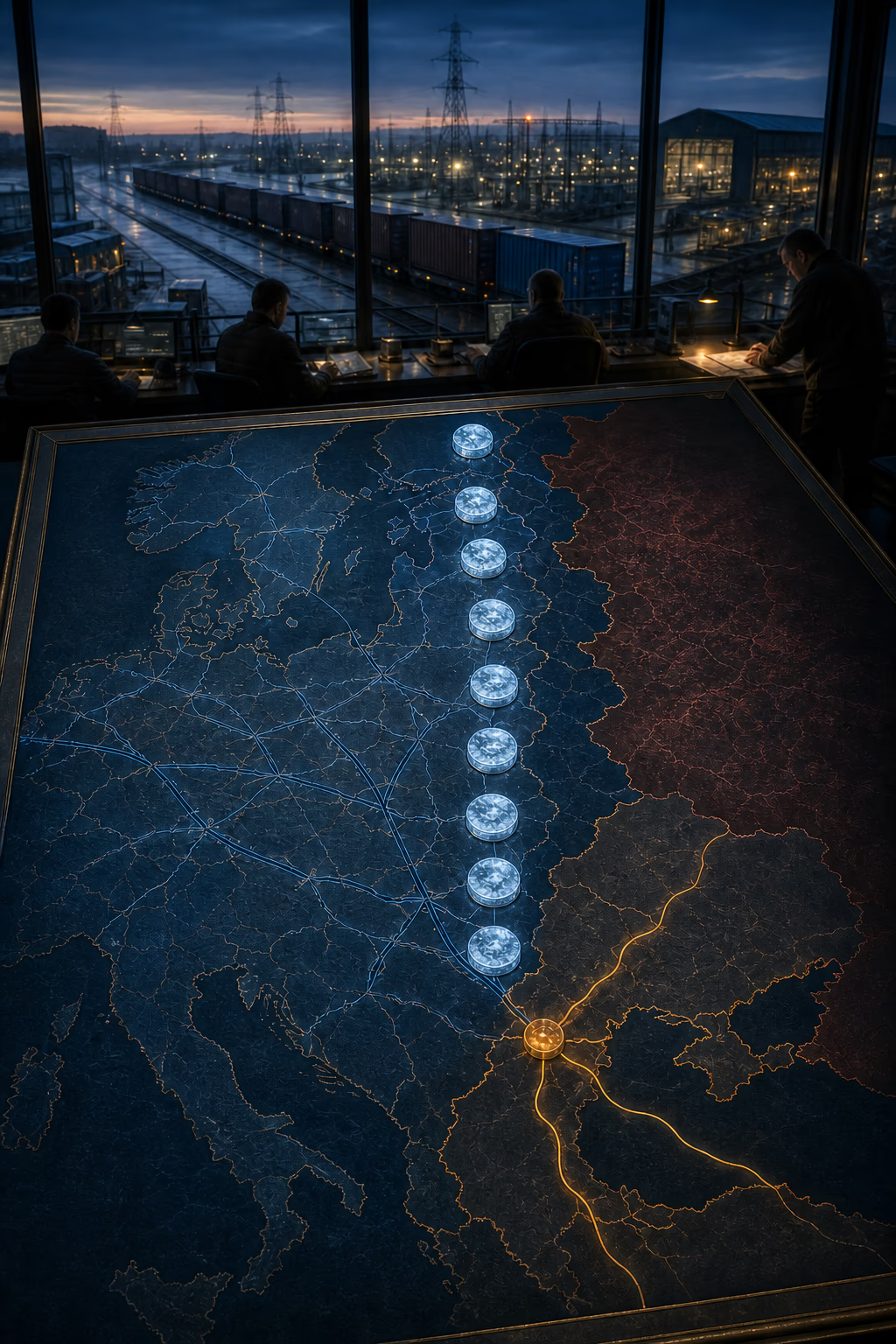
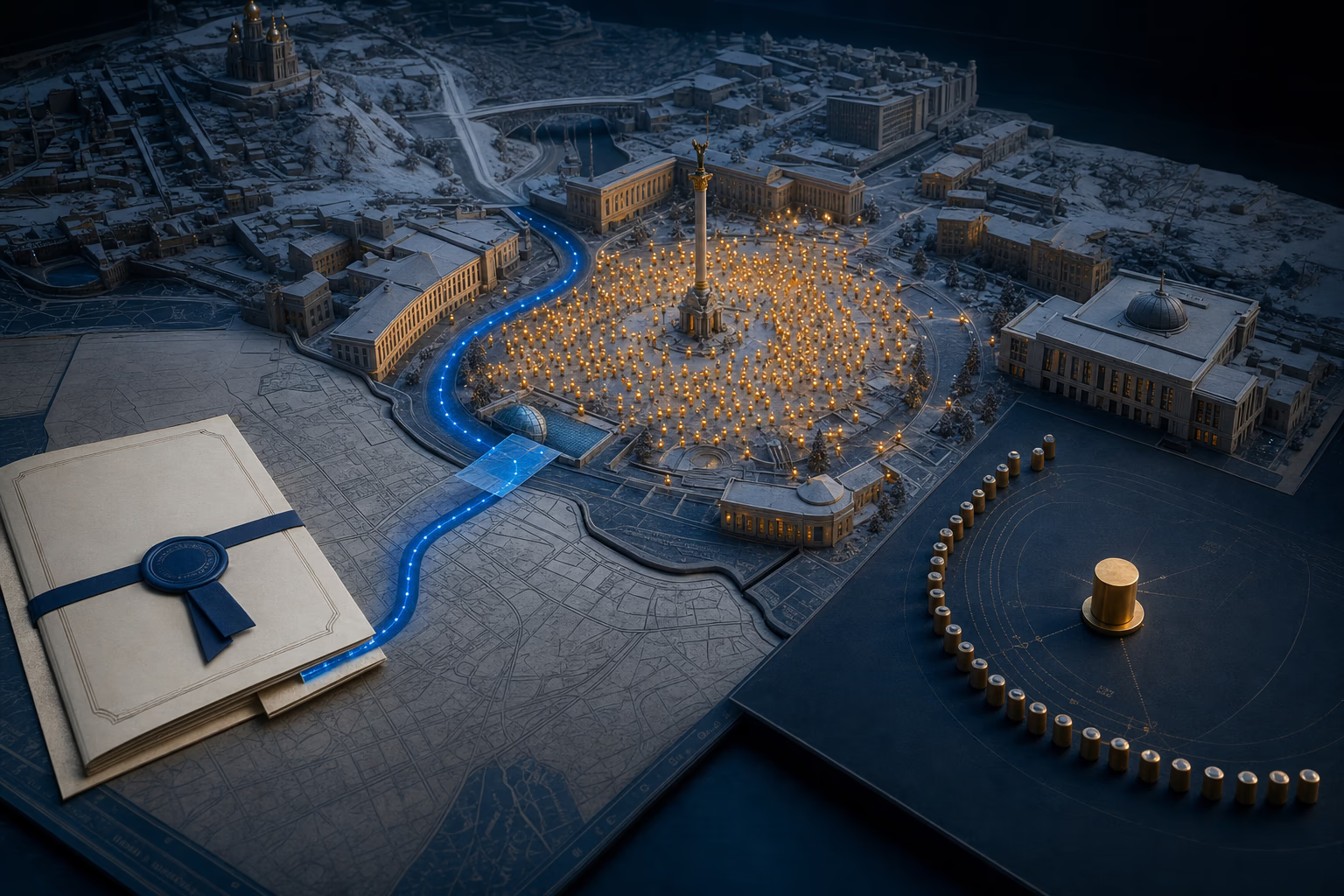
Farther north, that recovery reached beneath the post-war map. Estonia, Latvia and Lithuania had possessed republics before their annexation by the Soviet Union in 1940. Their diplomats, legal claims and civic memory had survived occupation. The Baltic Way of August 1989 joined roughly two million people in a human chain across the three countries. Lithuania declared the restoration of independence in March 1990; Estonia and Latvia completed their restorations as Soviet power failed in August 1991. Old flags rose above parliaments because the public act was a return of sovereignty, not the invention of states from administrative provinces.
The first work of freedom was exact and practical. Legislatures rewrote constitutions, restored property and citizenship rules, created central banks, opened archives and submitted governments to elections whose outcomes could remove them. Diplomats sought recognition; border guards took responsibility for national frontiers; municipalities learned to act without instructions from a party hierarchy. Economic dislocation was severe, and institutions could not be recovered by ceremony alone. The direction had become unmistakable. Nations once assigned to an empire by force now asked to enter European institutions by choice, carrying their own names, languages and constitutional claims with them.
What survived
- Poland’s 1989 election, negotiated before it was fought, produced an overwhelming Solidarity victory and the first non-communist-led government in the Soviet bloc.
- The Baltic republics framed independence as legal restoration after the Soviet annexation of 1940, and international recognition followed the failed Moscow coup of August 1991.
Kristina Spohr (2020)Anatol Lieven (1993)European Union (2026)