The King Leaves. Command Remains.
Rome answered the fear of kingship by dividing public power without making that power weak.
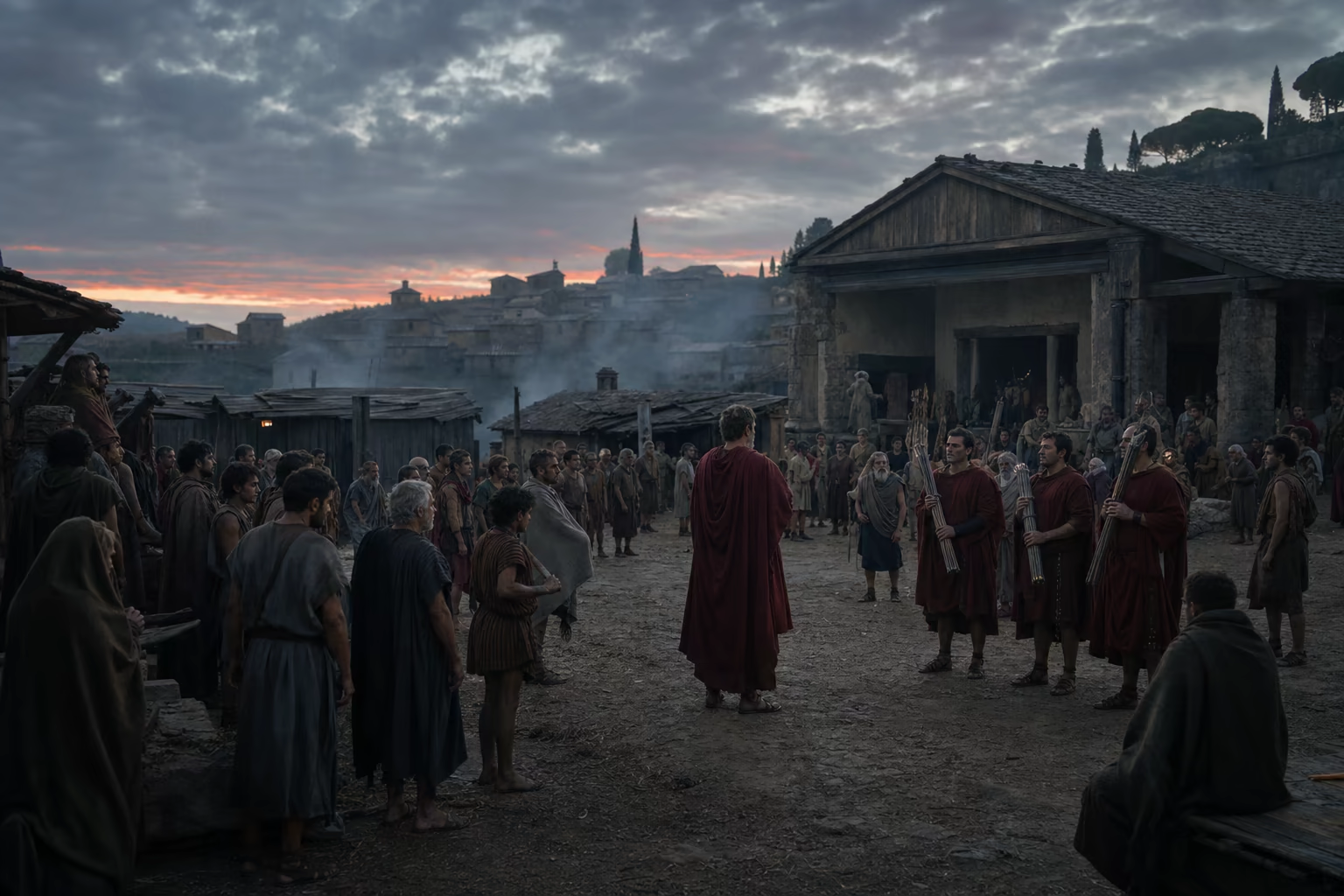
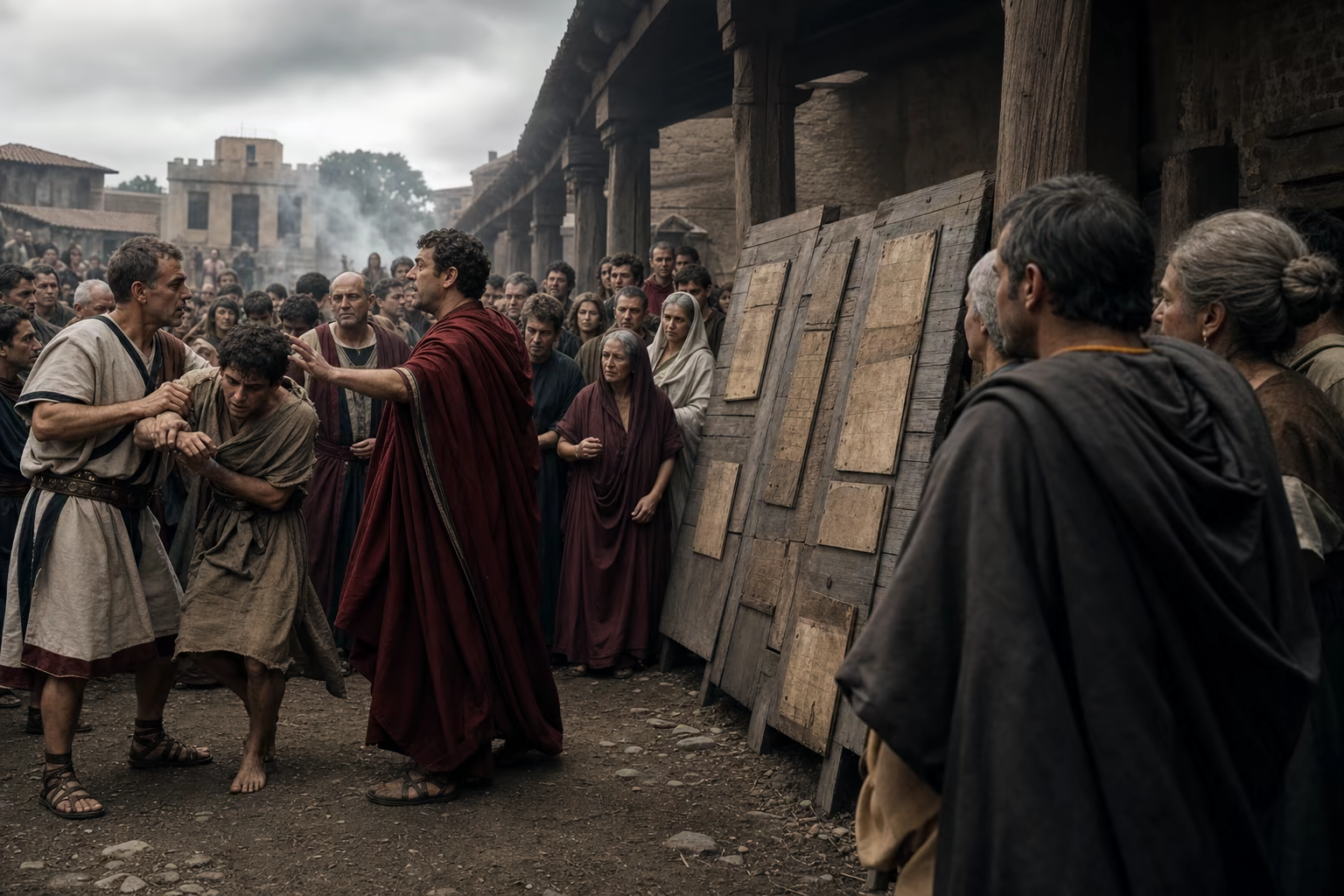
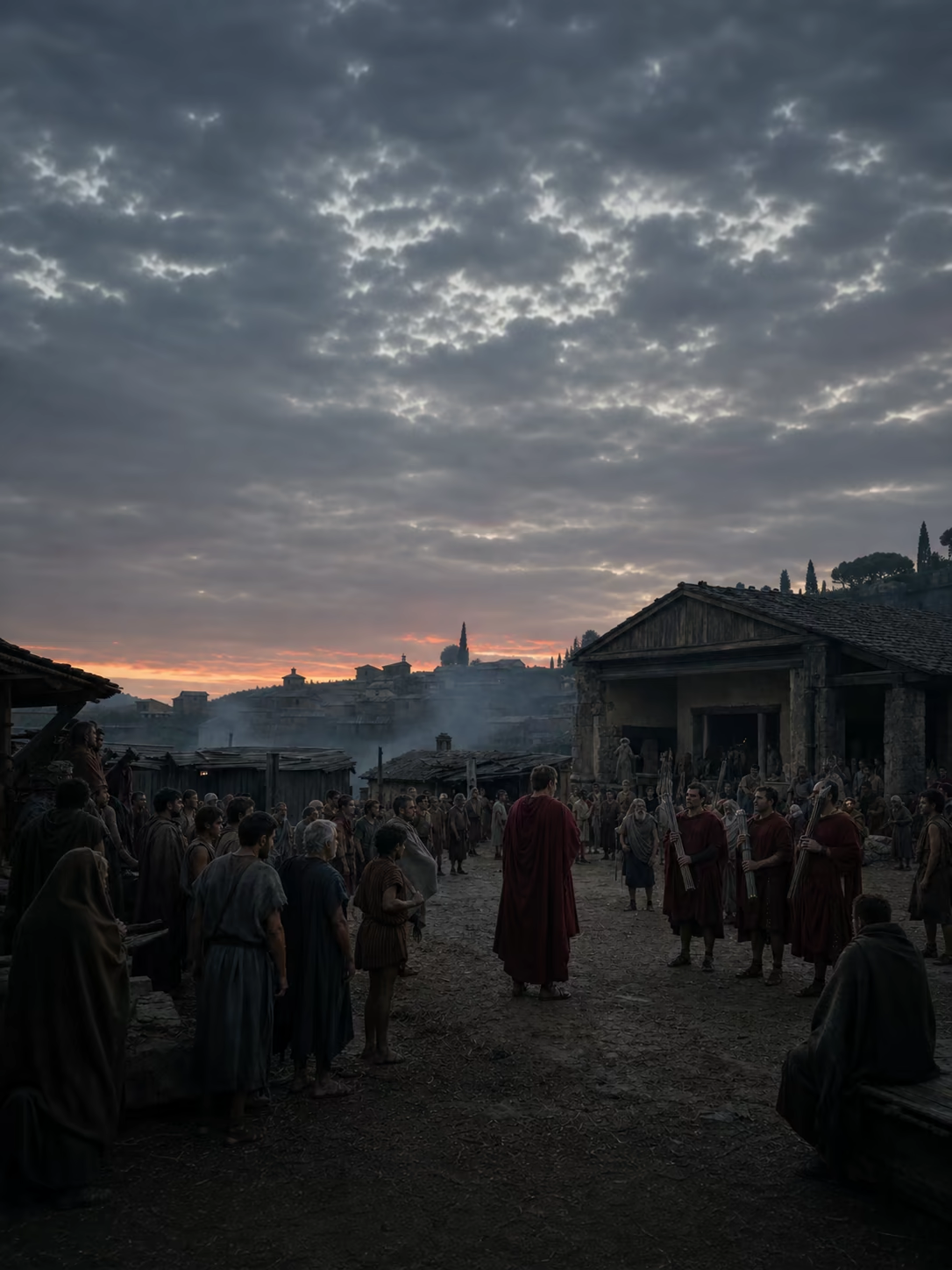
At dawn, attendants cross the Forum carrying bundles of rods before an elected magistrate. The rods announce coercive authority; outside the sacred boundary of the city, an axe can be added to them. Roman memory placed the expulsion of the last king in 509 BC and made hatred of kingship the Republic’s first principle. The exact transition is hidden by centuries of later storytelling, but the political order that emerged treated command as necessary, dangerous and temporary.
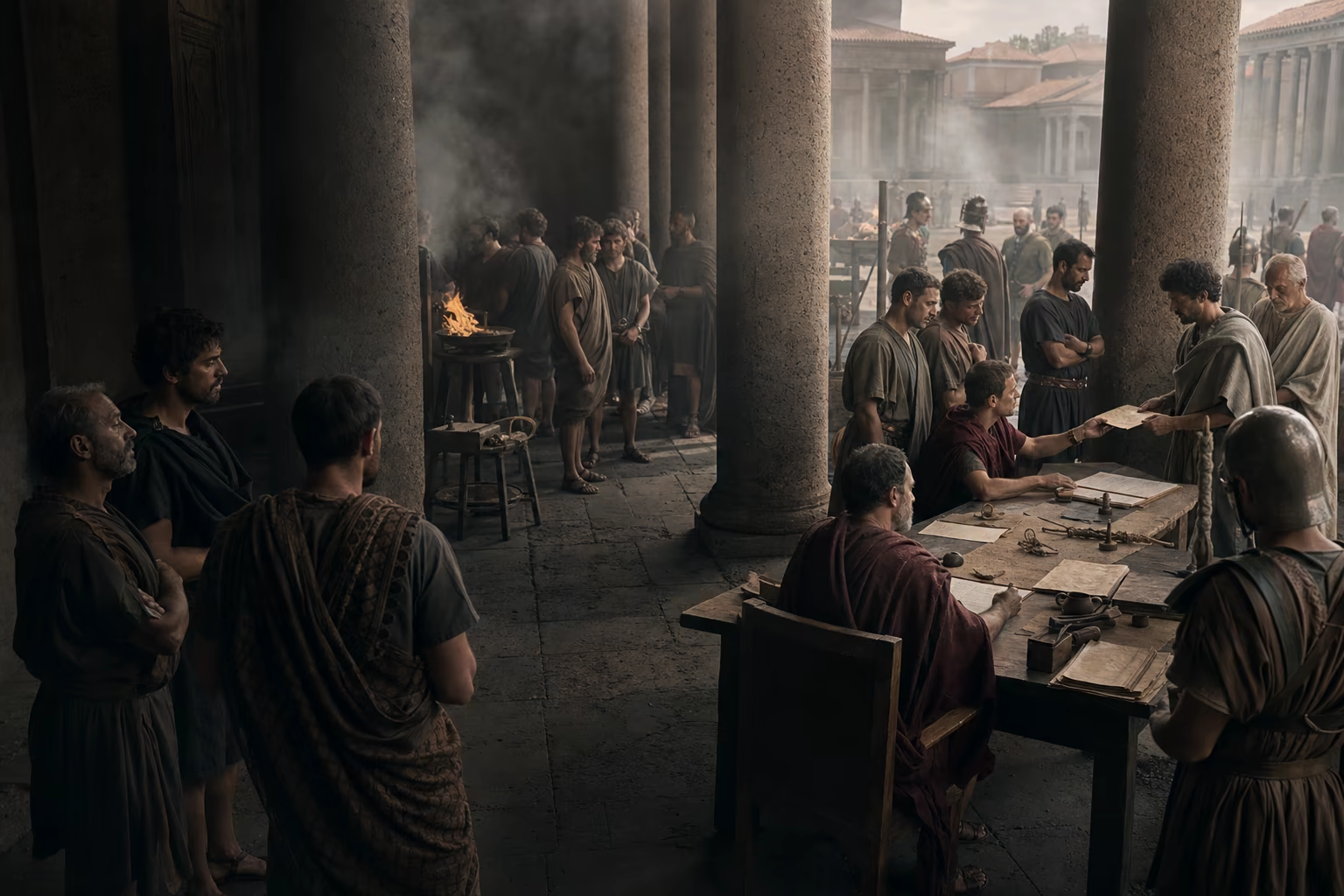
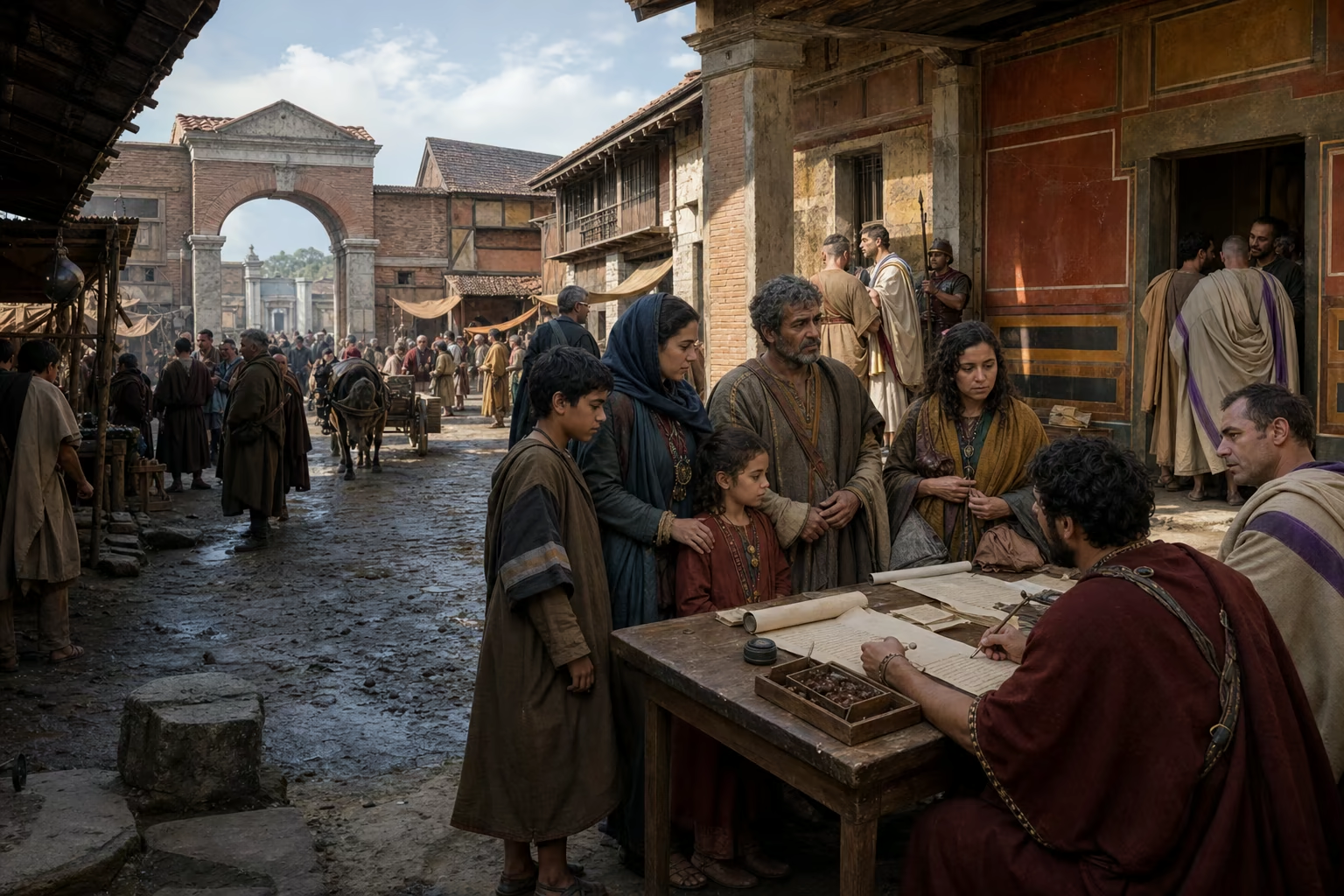
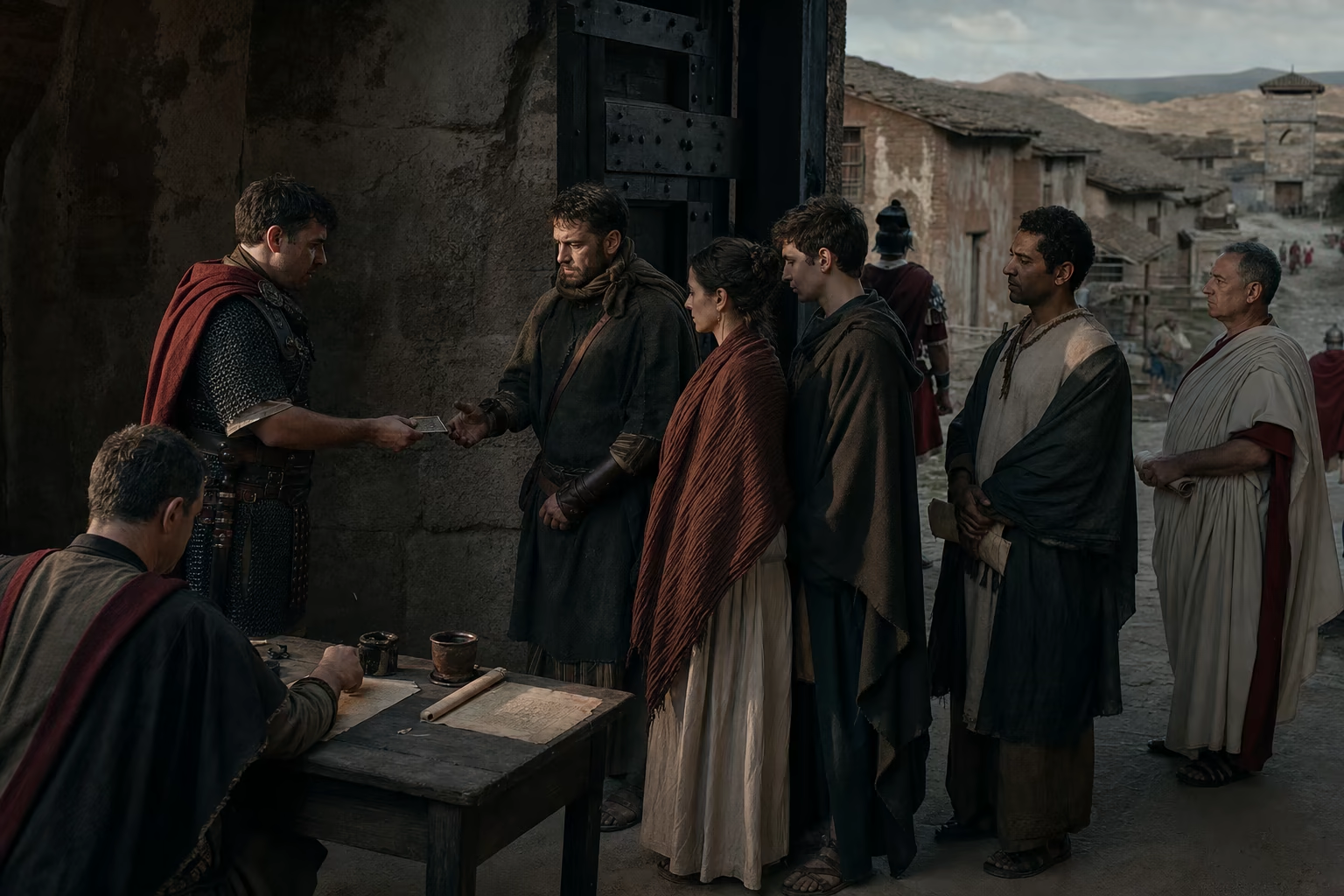
Two consuls eventually stood at the summit of the annual magistracies. Each possessed imperium, the authority to summon troops, lead armies and execute public decisions, and each had a colleague capable of obstruction. Praetors developed judicial and military functions. Censors registered citizens and property, revised the Senate and let contracts for public work. The offices accumulated over time; the familiar constitution of the middle Republic cannot be placed fully formed in its first year.
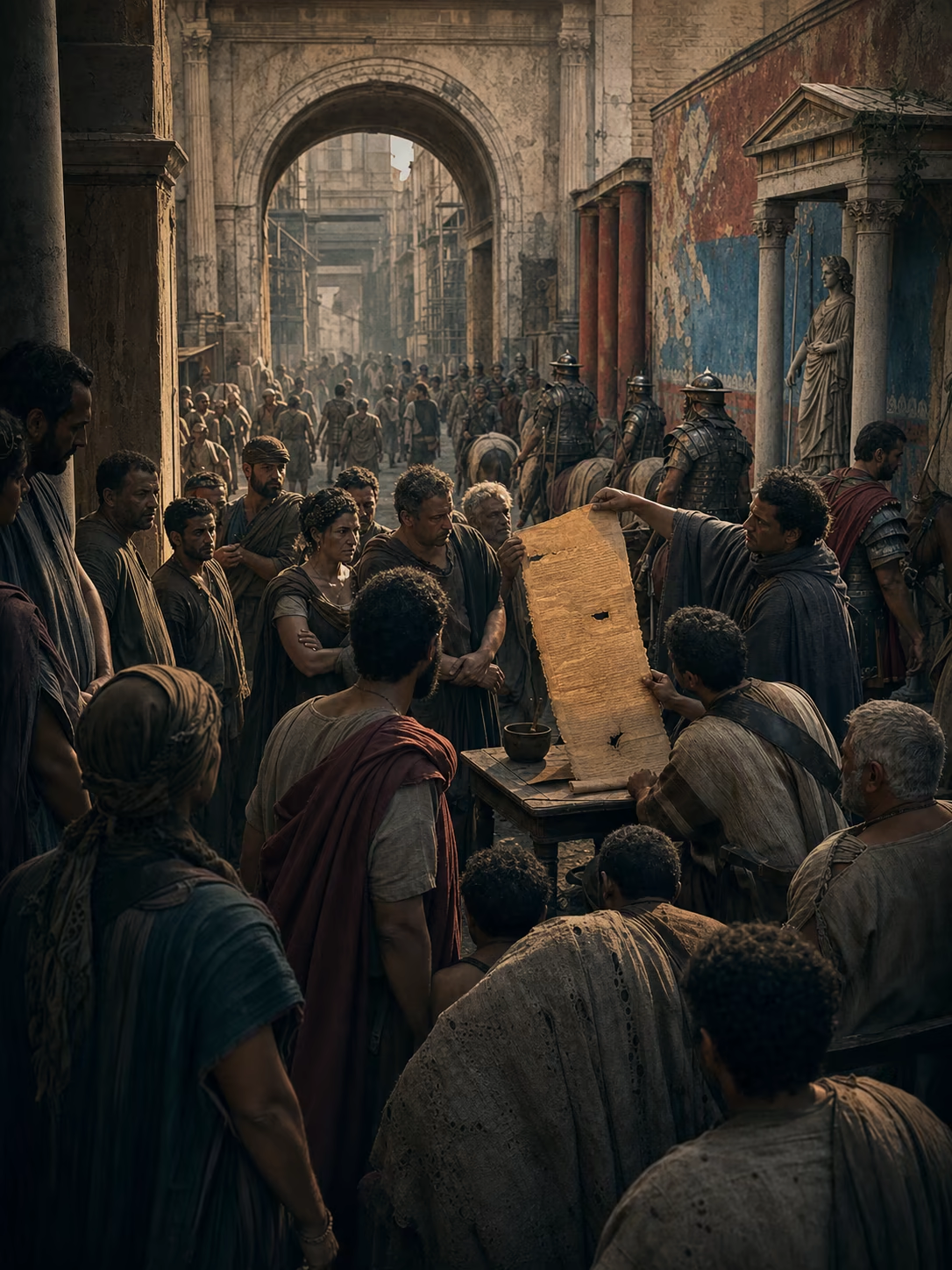
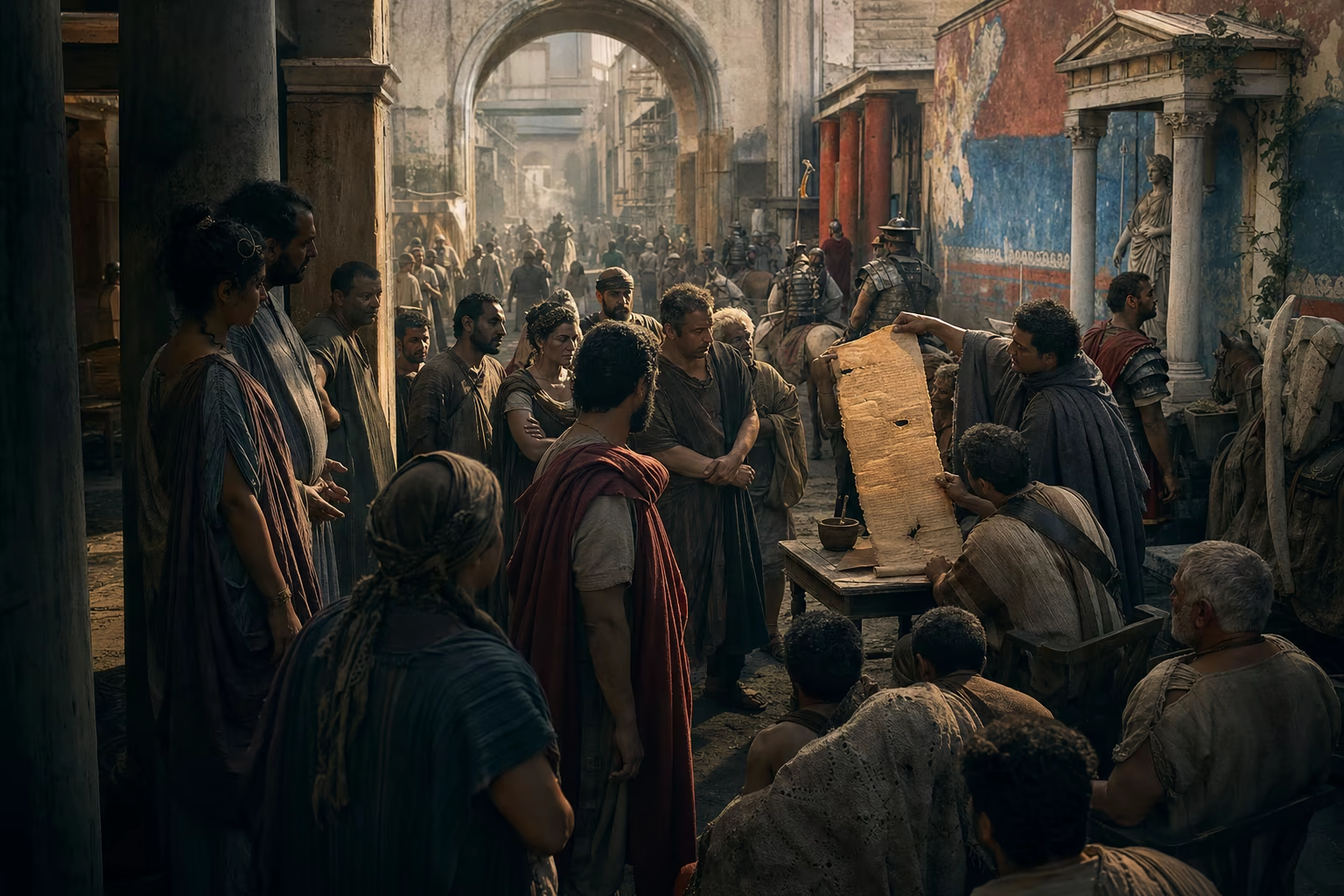
The Senate supplied memory across those short terms. Its members were current and former magistrates drawn from the leading families. Formally it advised. In practice its control of finance, foreign relations, religious consultation and the allocation of commands gave its decisions enormous weight. Popular assemblies elected magistrates, enacted laws and judged some capital cases, although citizens voted in groups whose order and composition favoured wealth, age and established organisation.
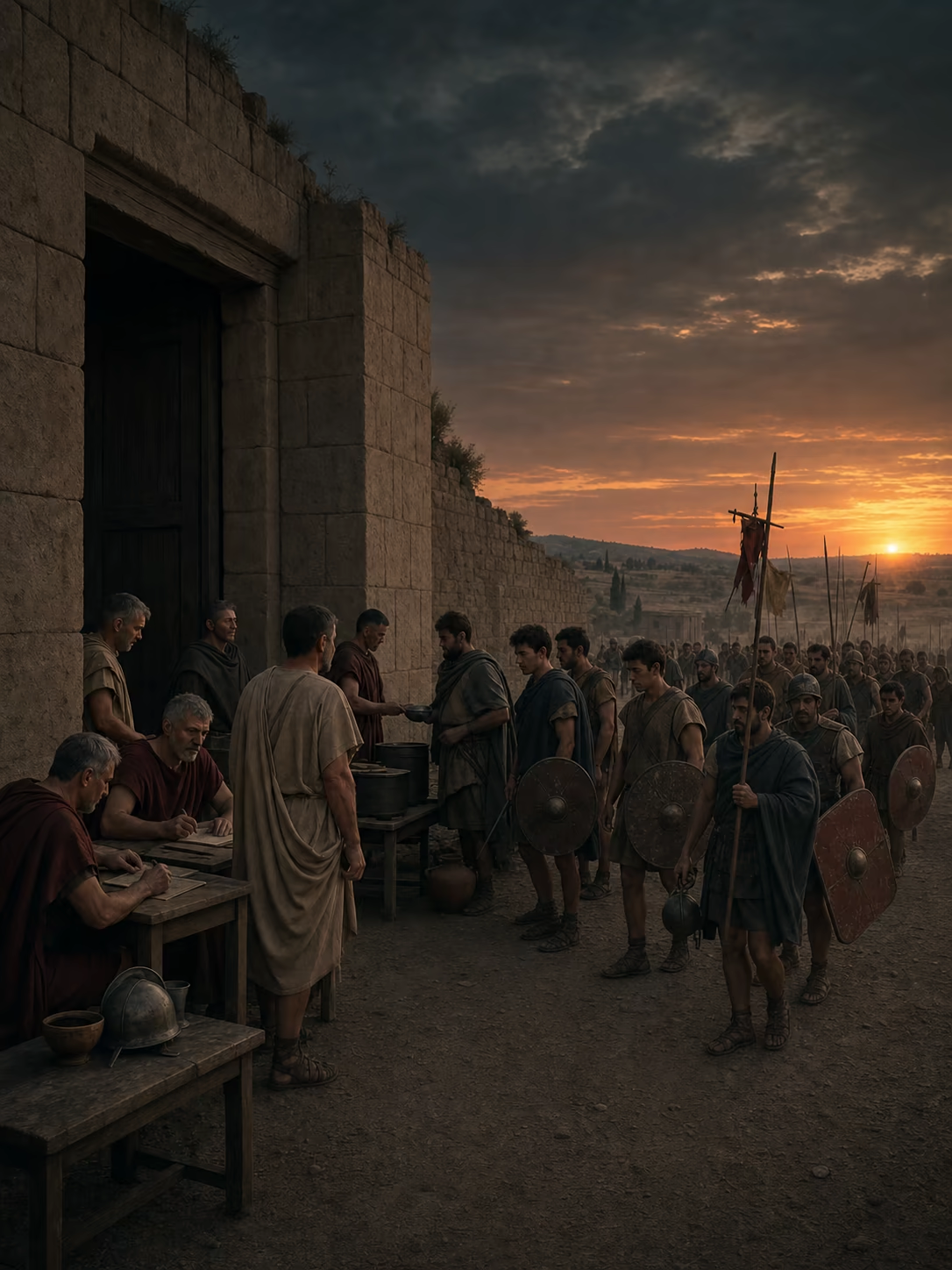
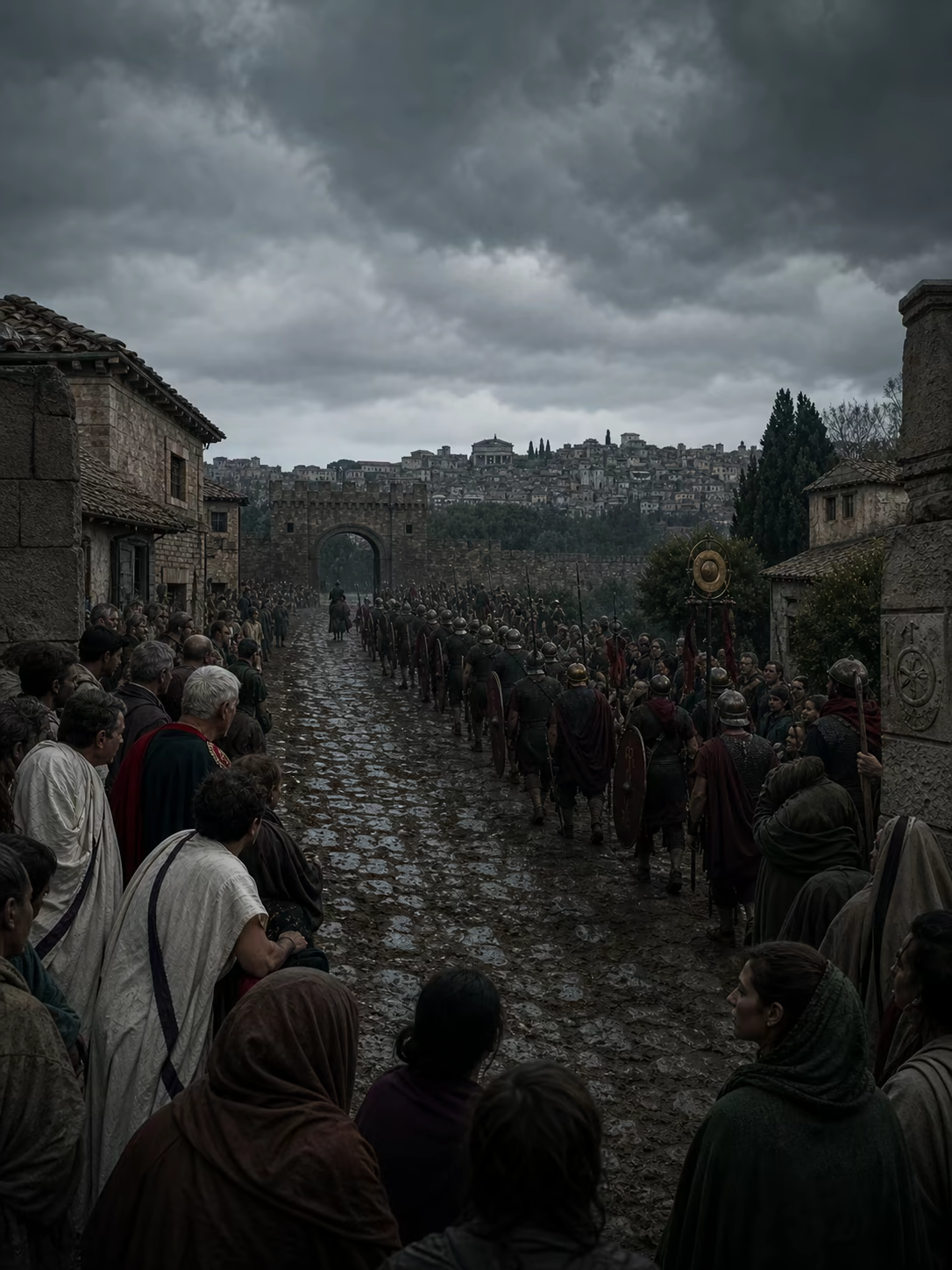
Roman liberty therefore meant that no citizen should obey a king, not that each citizen held equal power. Elite households competed for office and military honour before a voting people. Magistrates needed authorisation, auspices, colleagues and money; senators needed men willing to vote and serve; assemblies needed an officeholder to summon them and place a proposal before them. The Republic created action from this managed dependence, then carried the same magistrates from civic space into war.
What survived
- The conventional date of 509 BC belongs to Roman historical memory; archaeology and later literary reconstruction show a longer transformation from monarchy to republican government.
- Magistracies, assemblies, senatorial procedure, religious rules and symbols such as the fasces document a constitution built from divided but effective authority.
Fred K. Drogula (2026)Andrew Lintott (1999)Livy (late first century BC–early first century AD)Polybius (second century BC)