
The Indulgence Enters Print
Printers turned a Latin university dispute over indulgences into a public argument that no single authority could recall.
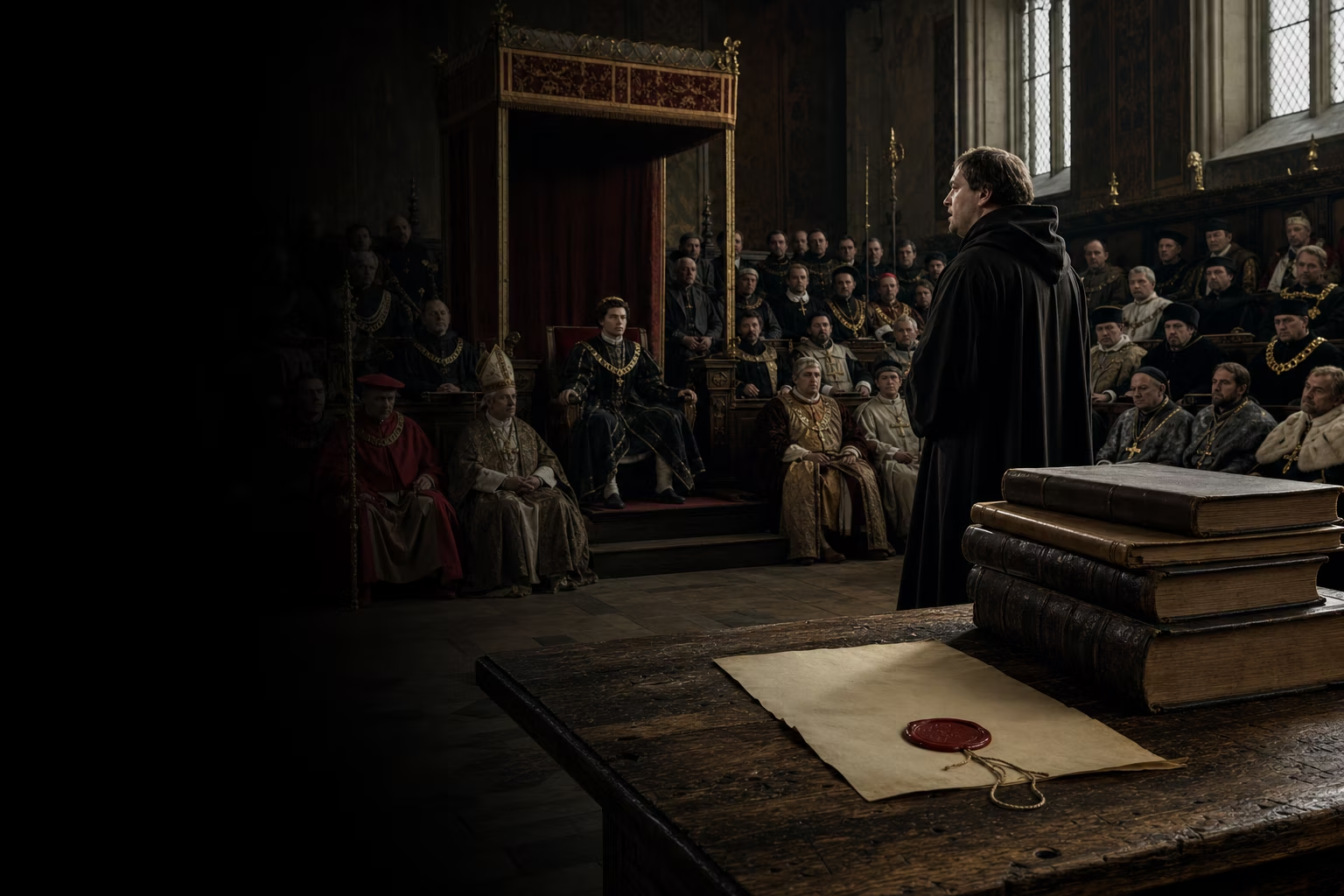
An indulgence arrived near Electoral Saxony as a printed promise with a papal seal behind it. Preachers offered the faithful remission from temporal punishment in return for a prescribed contribution, and agents counted receipts intended in part for Archbishop Albrecht of Mainz and the rebuilding of St Peter’s in Rome. Martin Luther, professor of theology at Wittenberg, answered in Latin. His ninety-five propositions challenged the preaching and theology surrounding the sale and invited learned dispute. He sent them to ecclesiastical authority at the end of October 1517. The secure beginning is a manuscript submitted and an argument released.
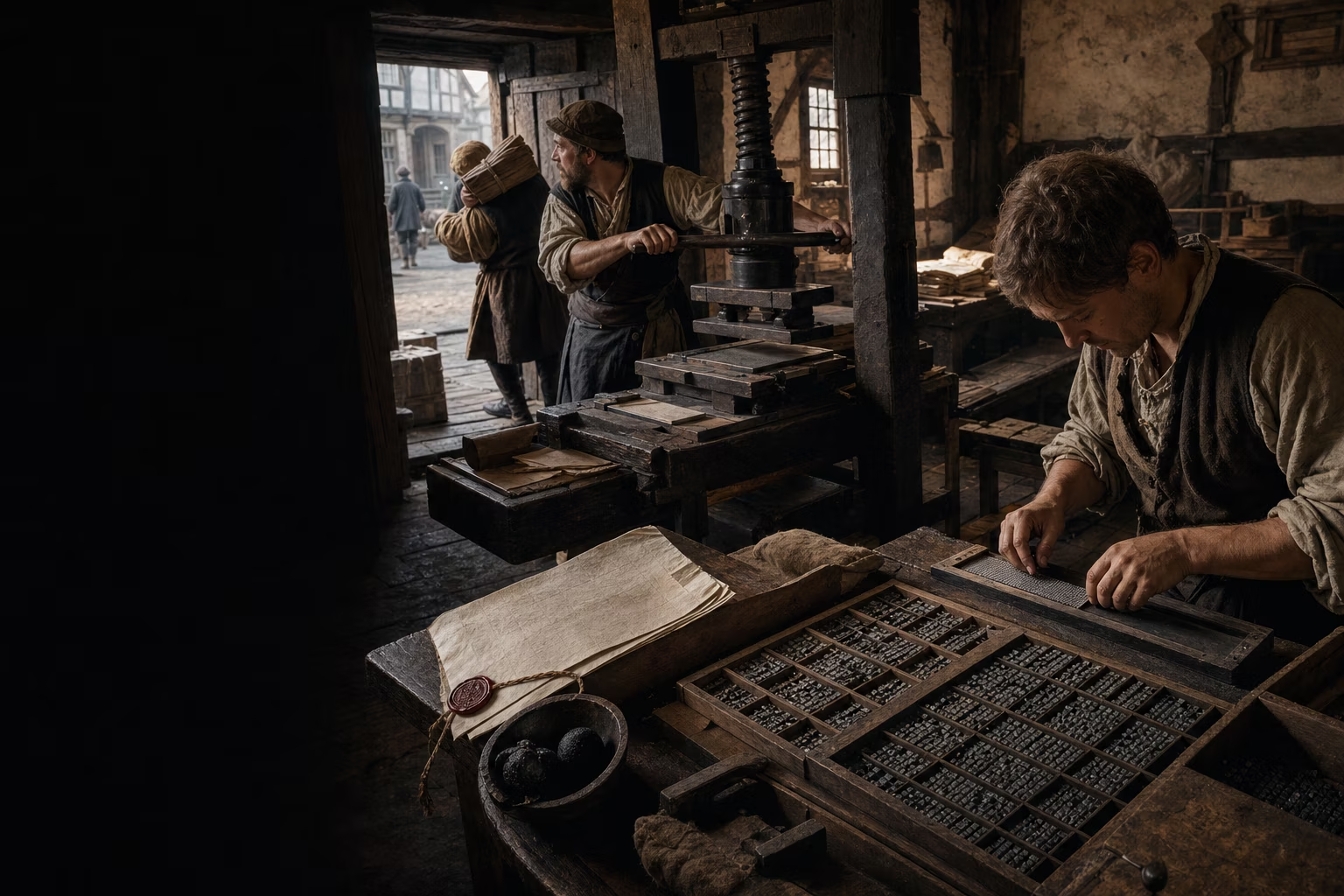
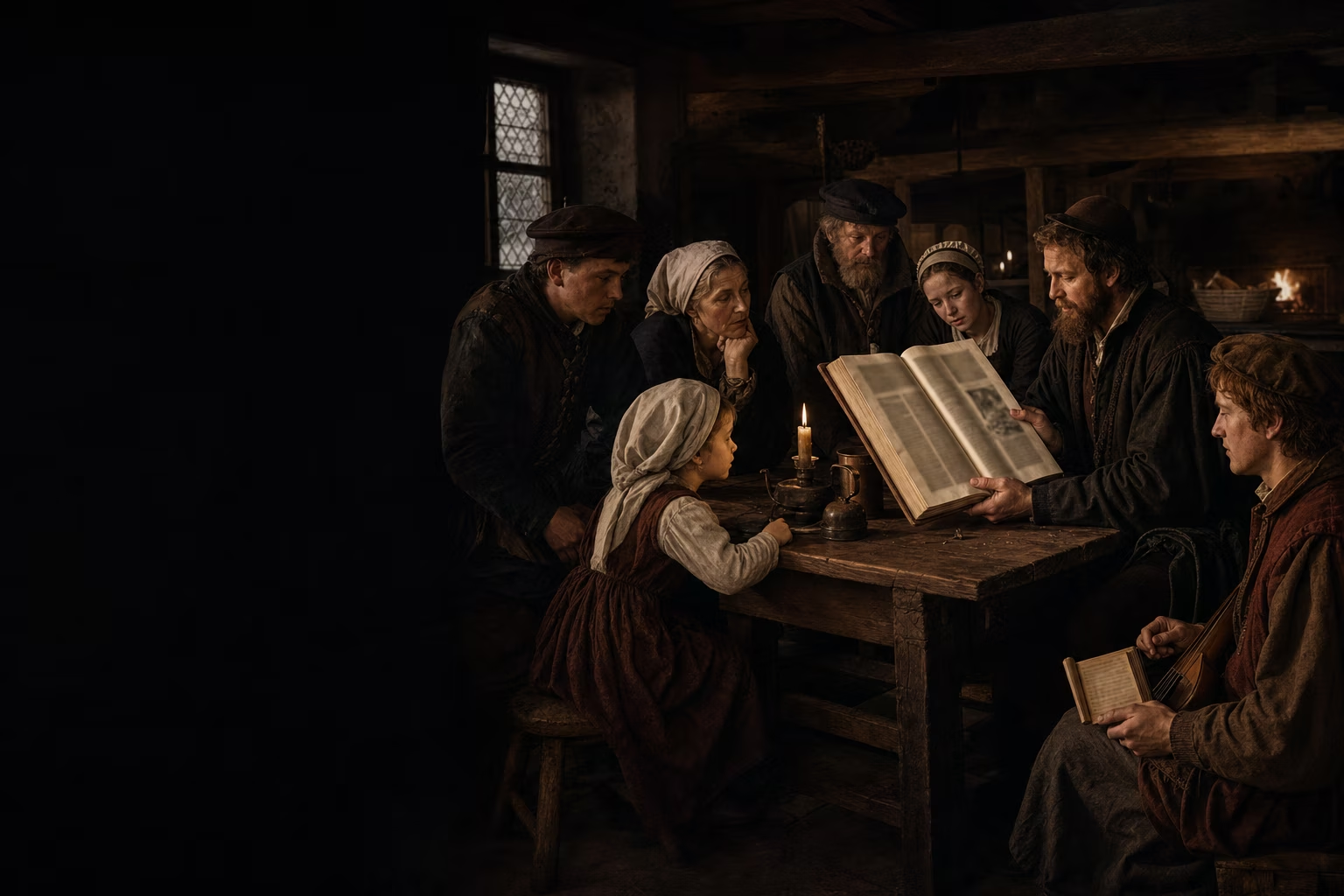
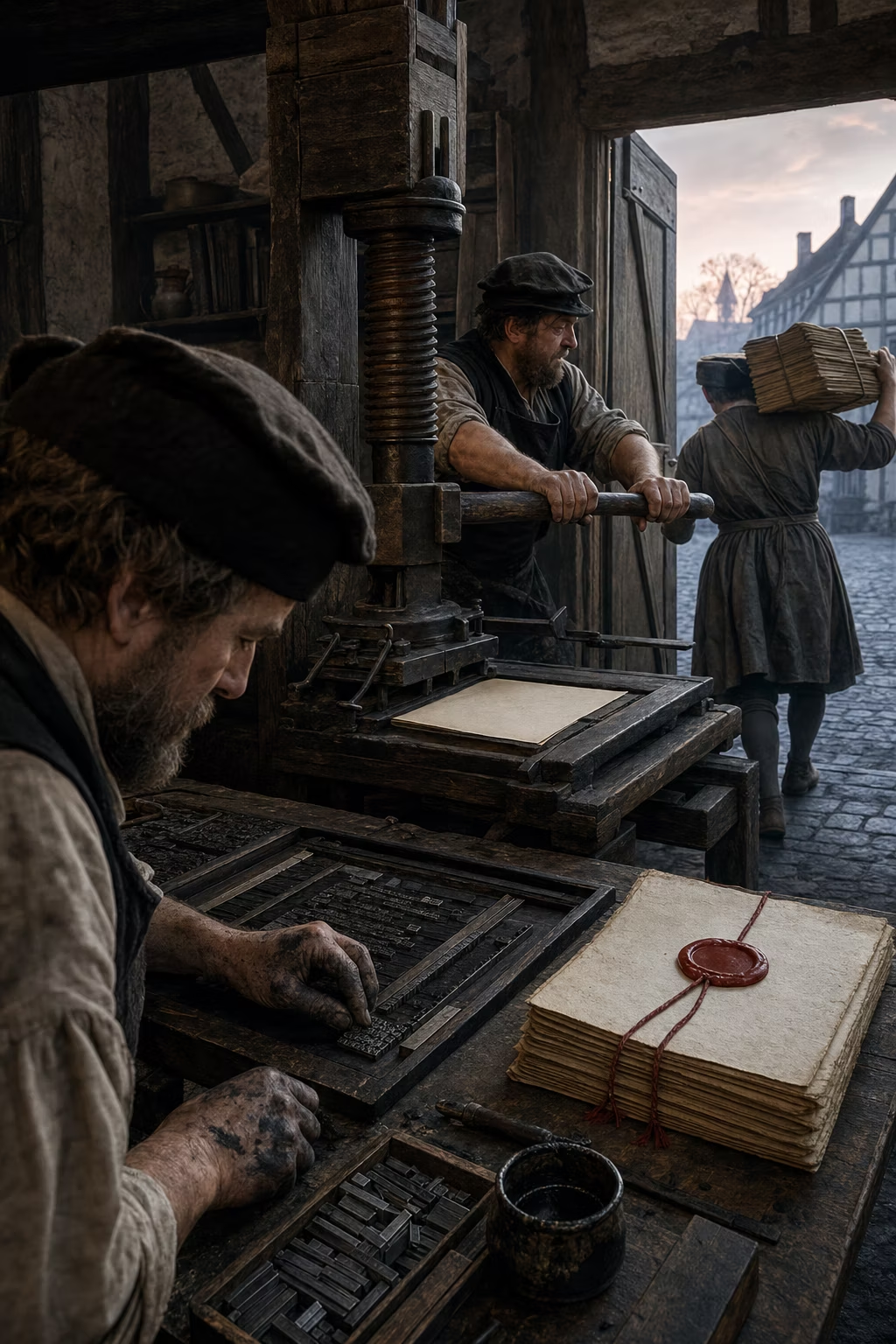
Printers supplied the decisive multiplication. Copies reached workshops in Leipzig, Nuremberg and Basel, where compositors set the propositions in movable type, pressmen inked the forms and carriers placed folded sheets on commercial roads. Latin editions served universities and clergy; German summaries and sermons opened the controversy to a larger reading public. A sheet could be read aloud in a tavern, copied in a chancery, refuted from a pulpit and reset in another city without asking Wittenberg for permission. Each new edition turned a local exchange into common knowledge.
Luther learned to write for the new circuit. Short German pamphlets, forceful title pages and Lucas Cranach’s workshop gave reform a recognisable material form, while opponents used the same presses to answer him. Hundreds of editions followed within a few years. Church officers could condemn a text and magistrates could seize a bundle; the distributed type remained in many shops and the argument continued to move. Western Christendom had met controversies before. Print gave this one speed, volume and a market wide enough to outrun the institutions summoned to judge it.
What survived
- Luther sent his Latin propositions on indulgences to Archbishop Albrecht of Mainz at the end of October 1517, and printed editions carried them rapidly through several cities.
- Printers in several cities reproduced the theses rapidly, and Luther’s later German pamphlets joined text, workshop practice and distribution into an unusually effective public campaign.
Ulinka Rublack (2017)Andrew Pettegree (2015)Lyndal Roper (2016)
Pull the print run
Four cumulative workshop stages compose, ink, press and fold a thesis sheet, then place German pamphlets on routes through Leipzig, Nuremberg, Augsburg and Basel.
Argument becomes a form
- Constraint
- Type, skilled labour and copy
- Result
- One reusable printing form
Material fixes the words
- Constraint
- Ink, paper and even pressure
- Result
- A legible impression
Repetition changes the scale
- Constraint
- Time, capital and market risk
- Result
- Many matching sheets
Every market can begin again
- Constraint
- Carrier, road and local demand
- Result
- German and Latin public dispute
A compositor selects metal letters, sets the Latin propositions in lines and locks the completed pages inside an iron chase.