










After the Palace
When no palace returned, Greek communities had to make authority local and visible.
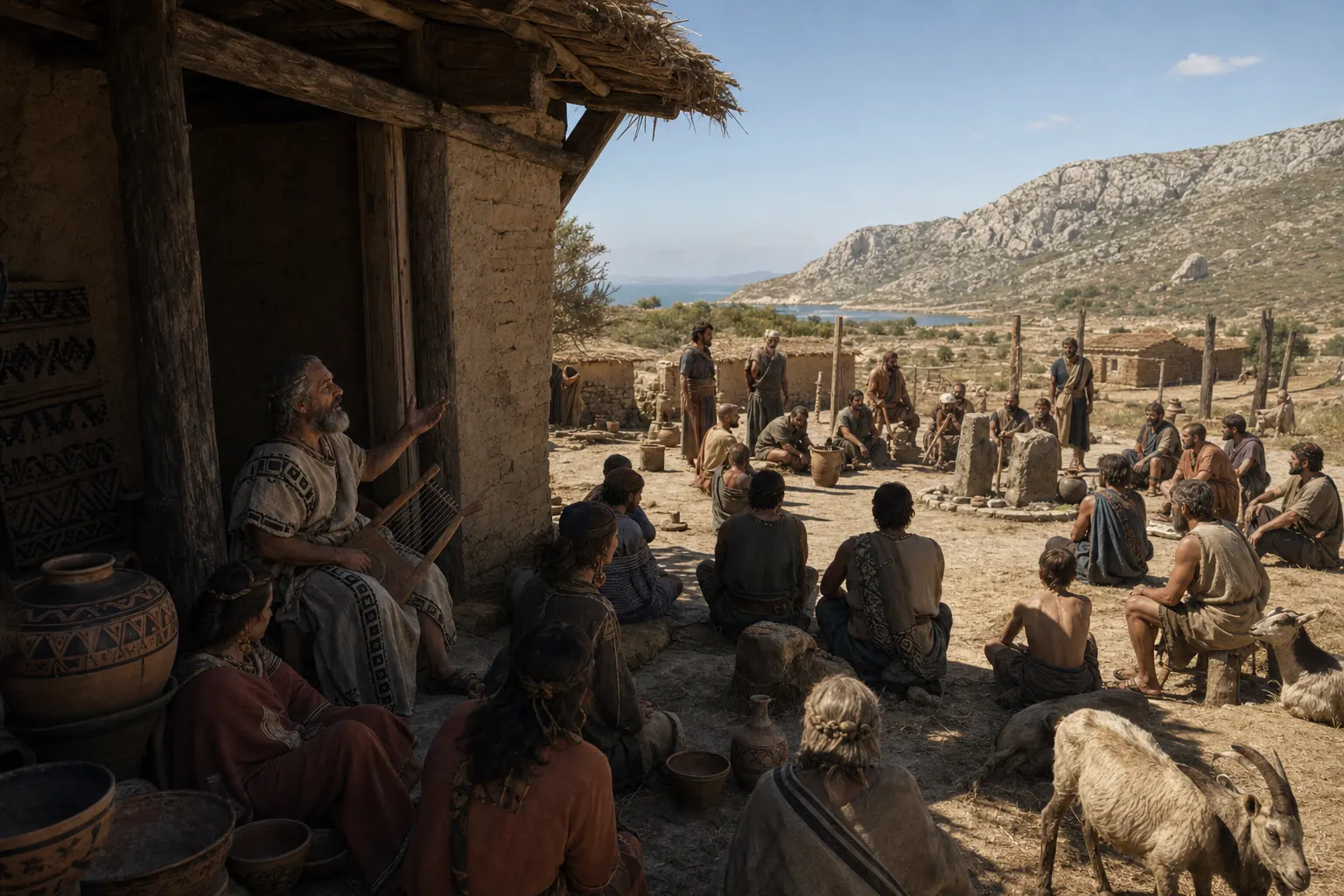
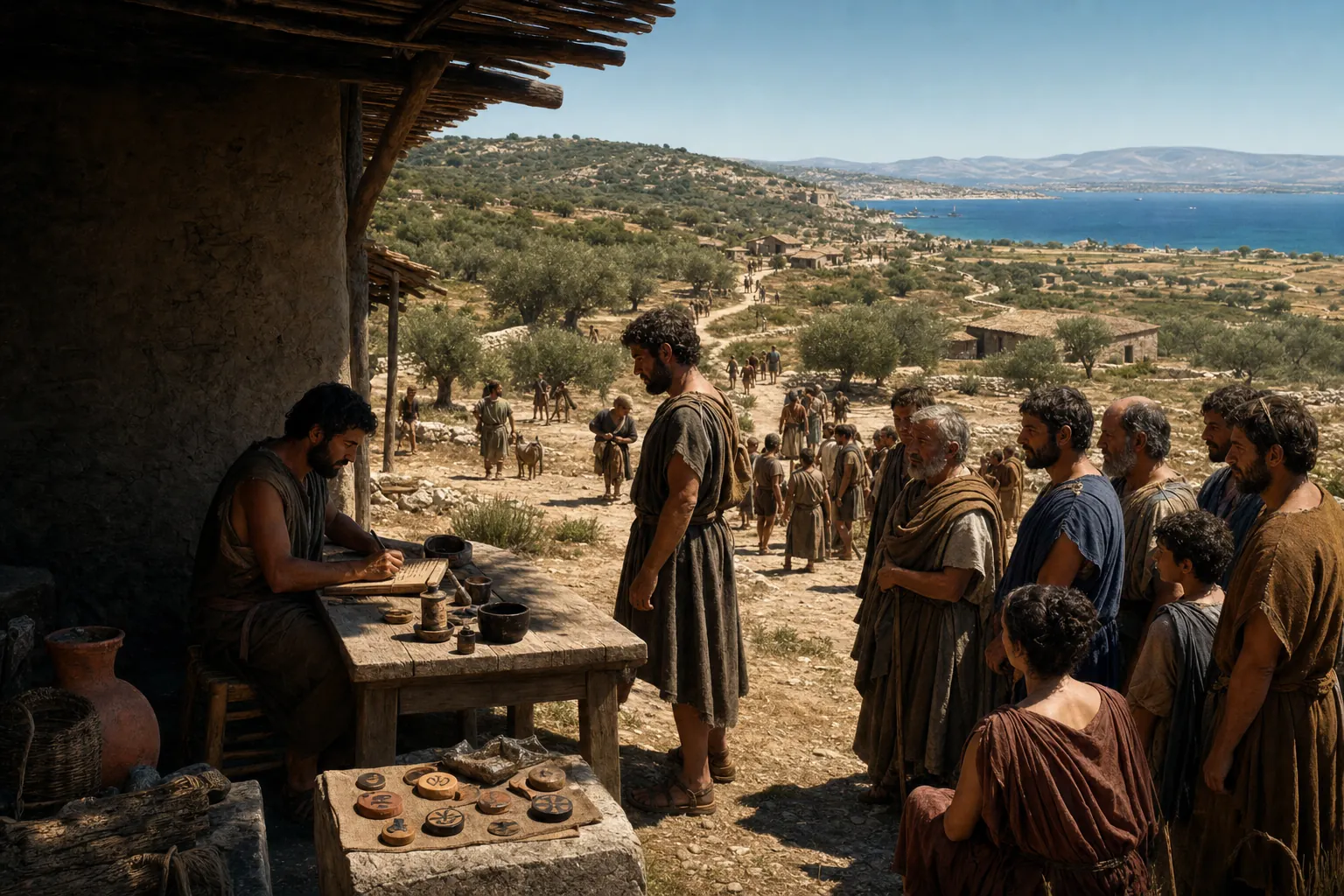
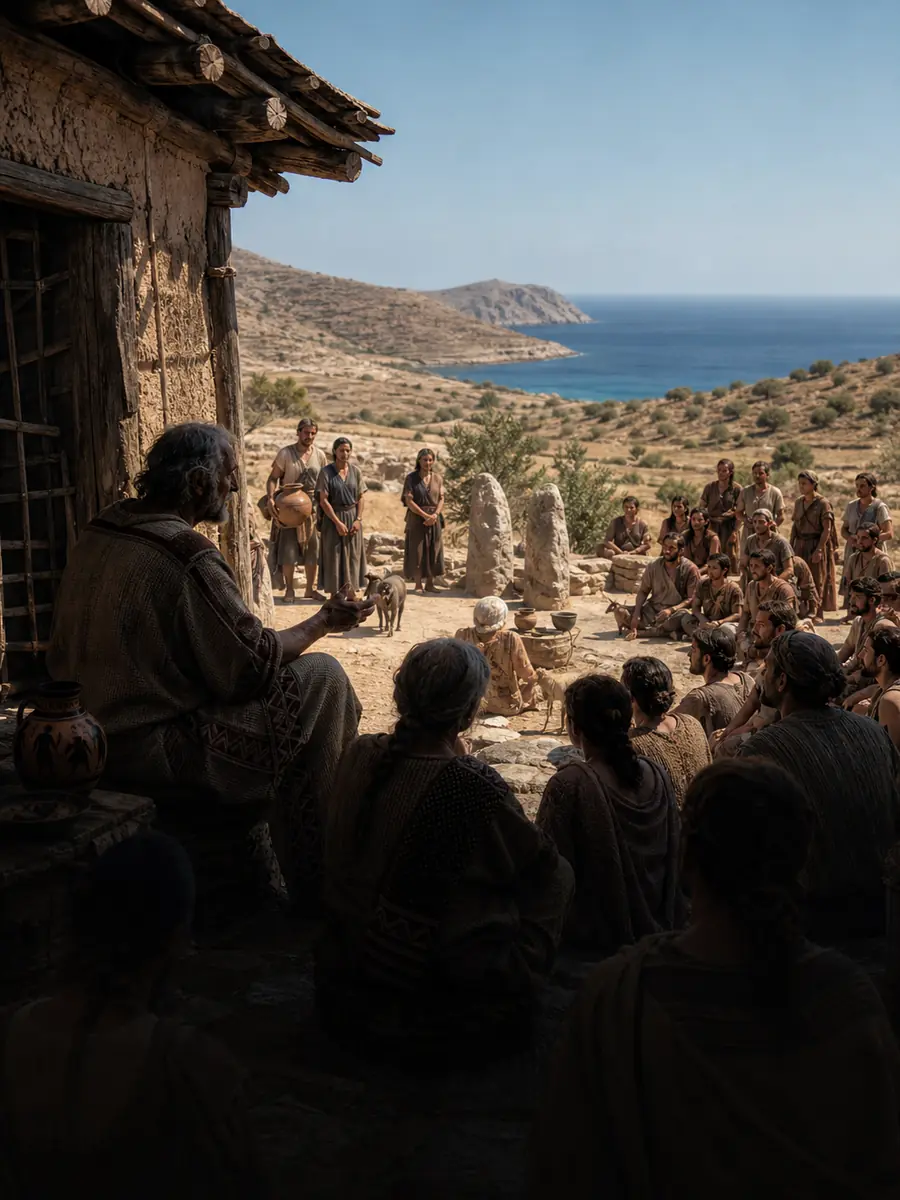
A singer finishes a tale of kings beside a household fire. Outside, the settlement has no throne room, archive or official able to command the whole country. The Mycenaean palaces have been gone for centuries. Their Greek language survived, and their heroes acquired longer lives in song, while the collectors who once counted bronze and grain disappeared. Families, local leaders and sanctuaries now hold pieces of authority that no single institution owns.
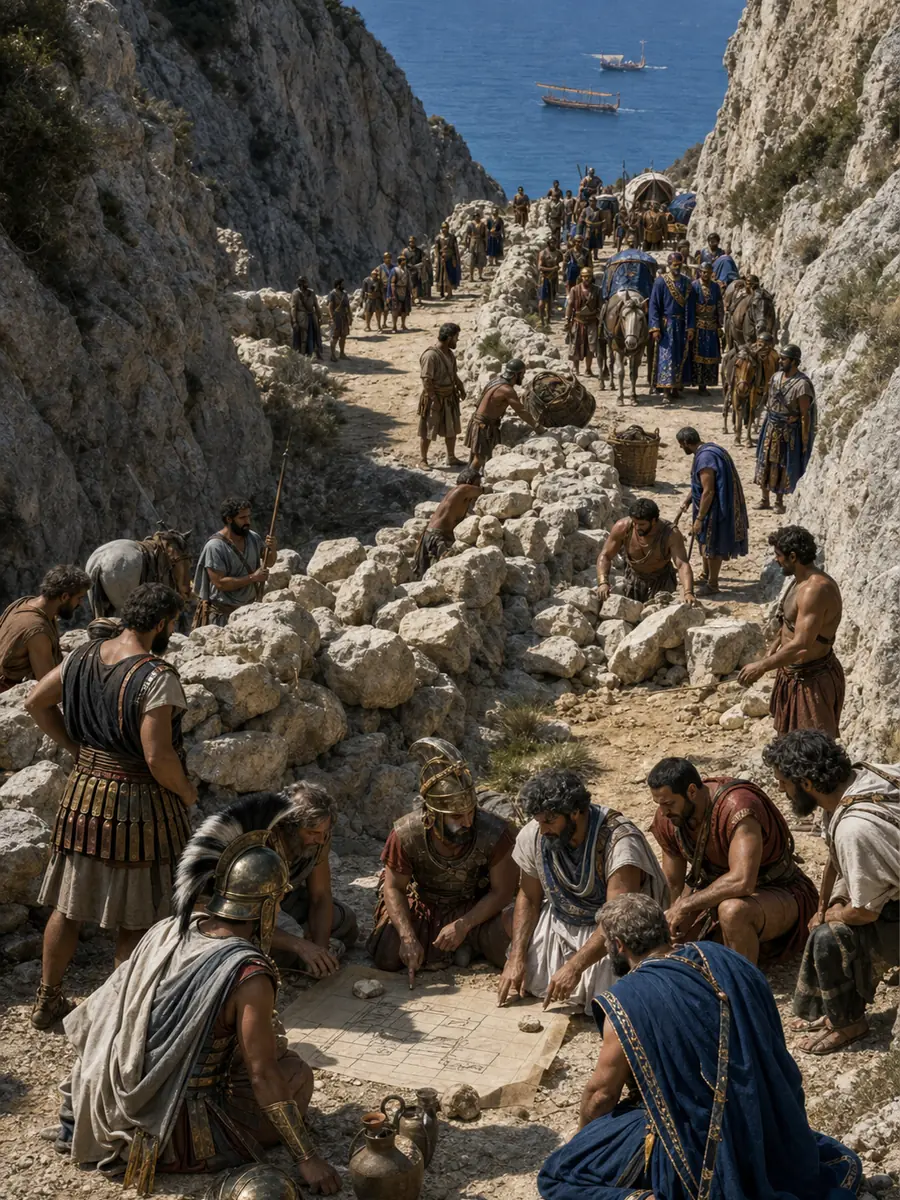
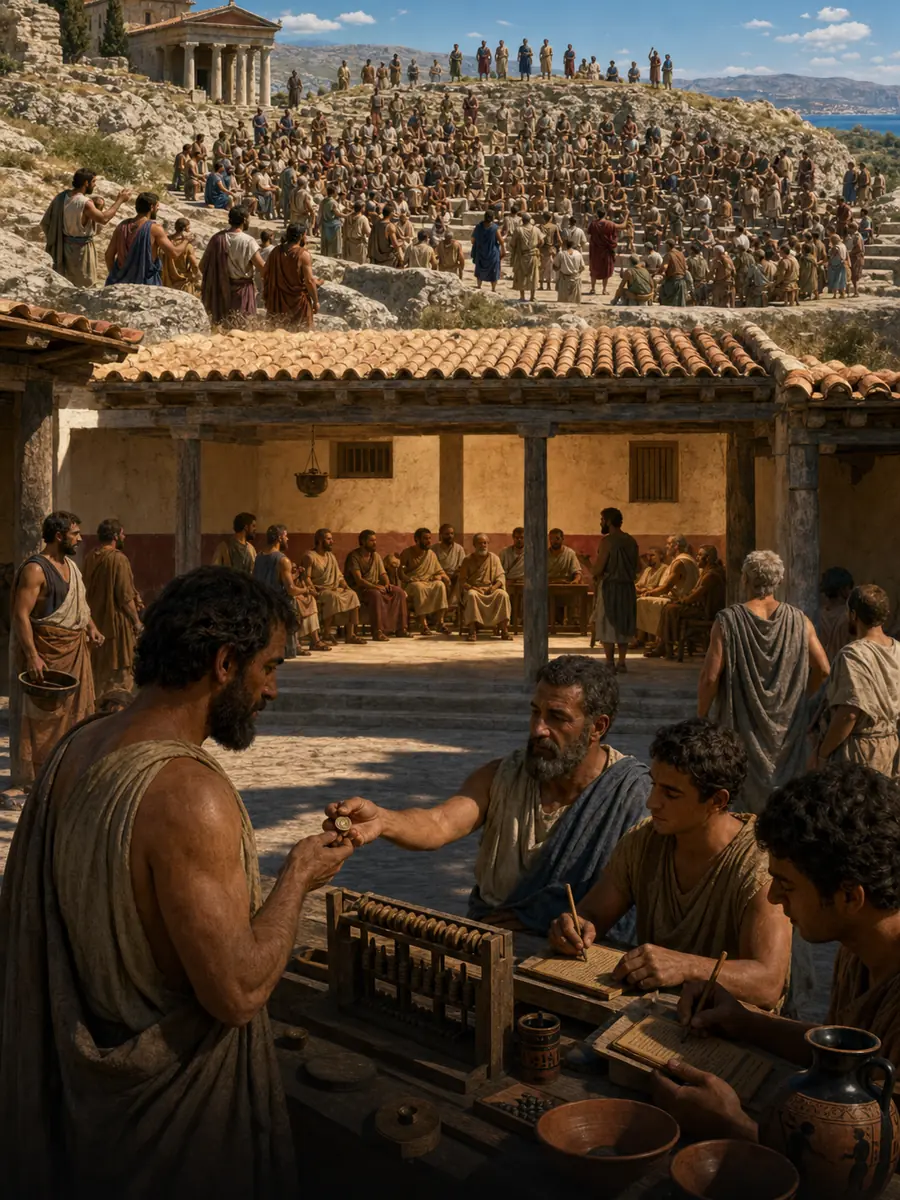
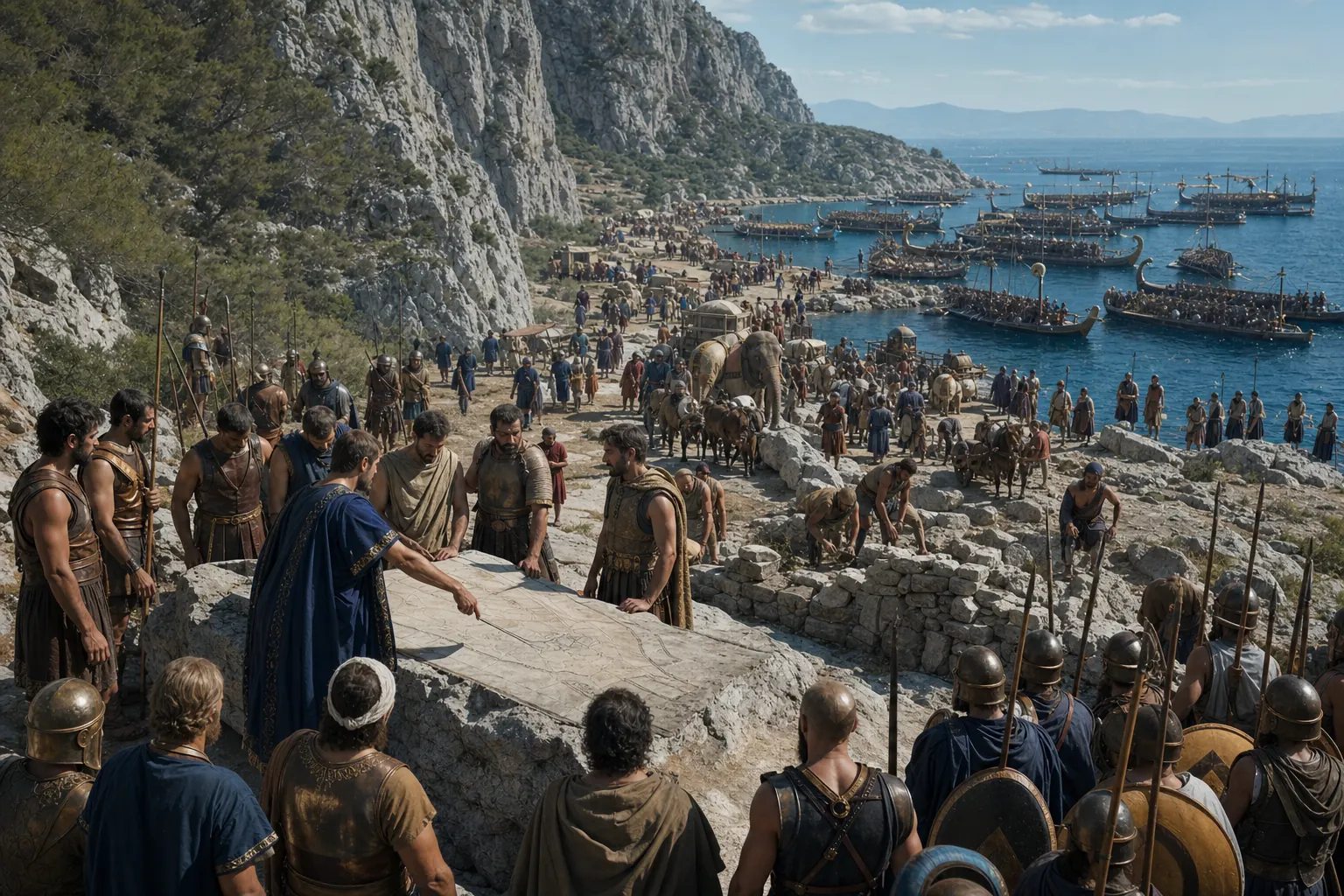
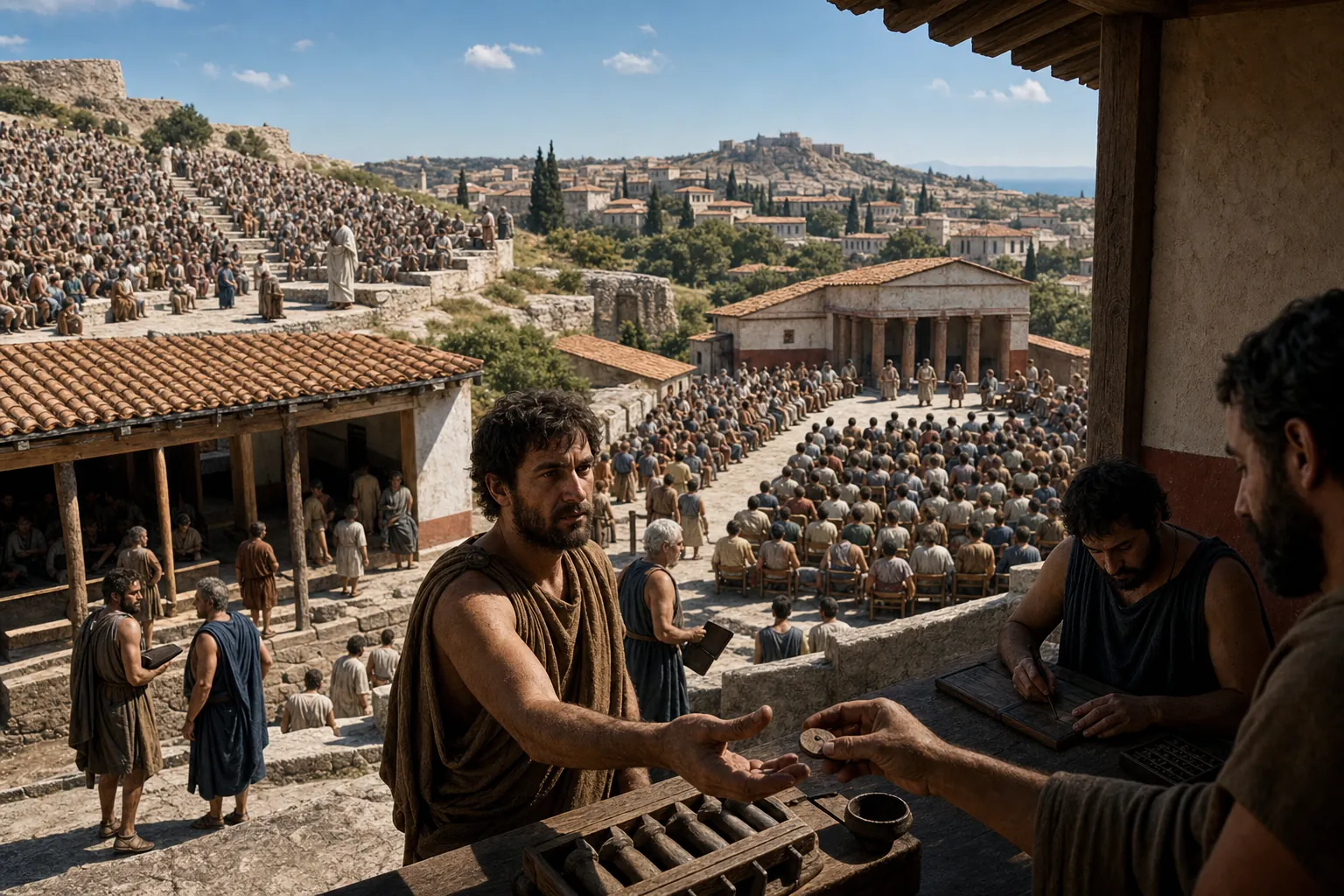
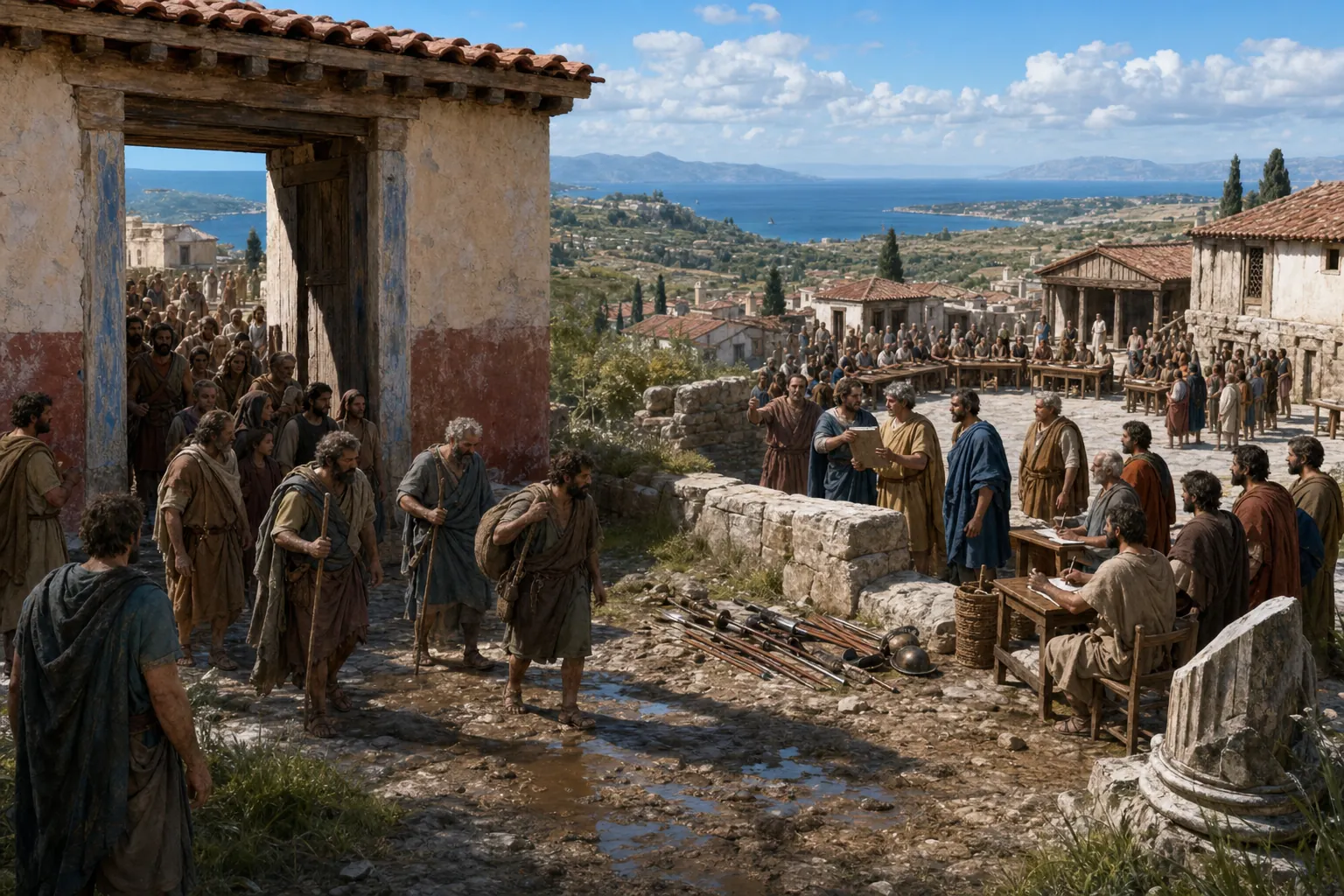
People meet because worship, defence, land and judgment cannot remain household matters. An aristocrat may lead an army or settle a quarrel, yet he acts among other powerful families and before a community that expects to hear the result. Councils gather experienced men. Assemblies approve, reject or acclaim. Sanctuaries receive dedications from groups learning to name themselves as one people. The city begins as repeated public action before it acquires monumental stone.
The early offices retain the language and dignity of kingship without restoring a palace king. Several men can bear royal or priestly titles, while authority shifts with circumstance: one leads a raid, another judges, another speaks for a cult. Competition among them needs witnesses. Prestige still matters, but the public gathering becomes the place where prestige must work.
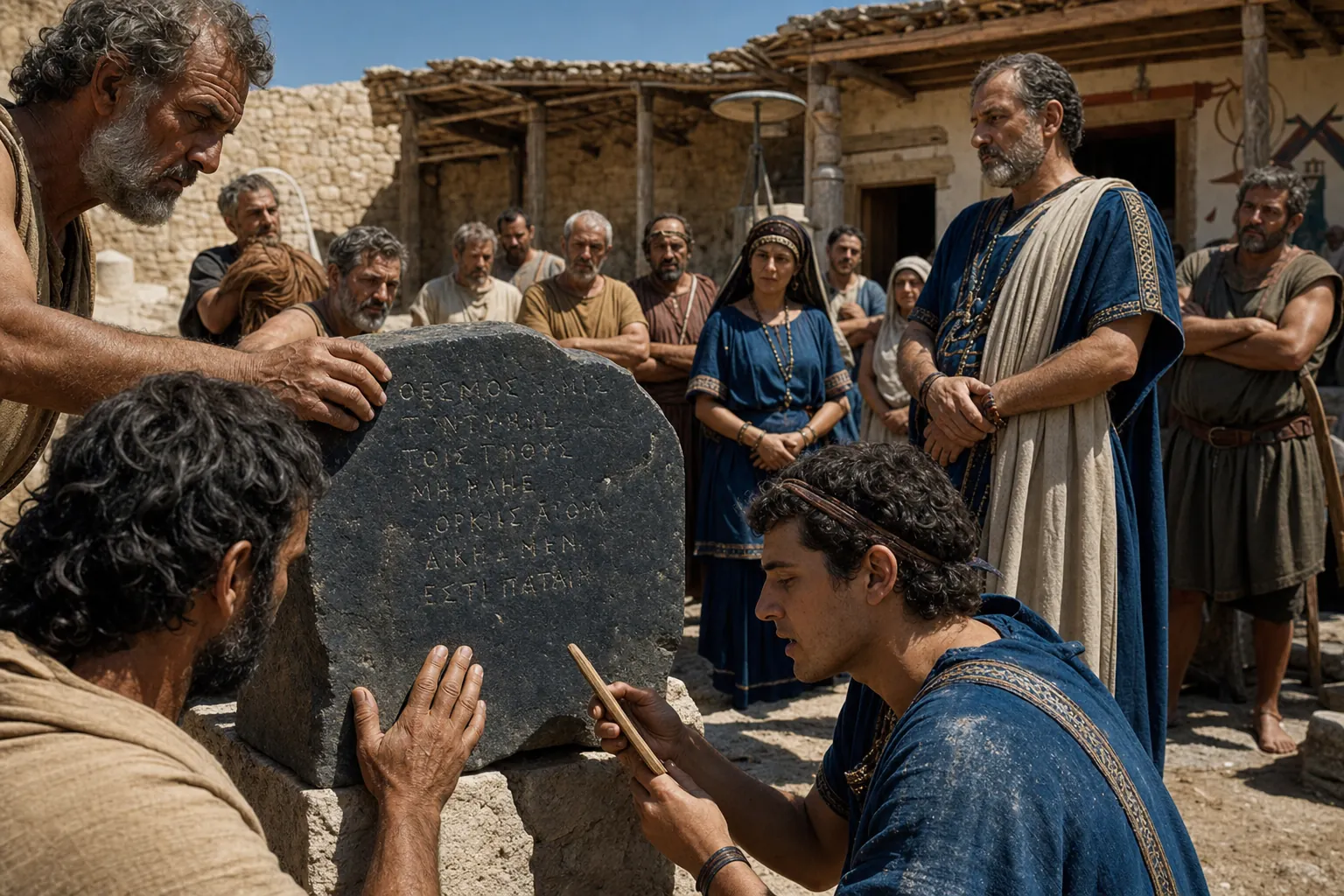
This arrangement creates a problem the palace had solved by command. A decision spoken in one gathering can be denied in the next. A magistrate can claim that custom favours his household. Memory belongs to people who may disagree. Greek communities answer by placing rules in shared places and attaching office to stated limits. The singer preserves a heroic past; the public inscription will make power answer to words that remain after the speaker leaves.
What survived
- Settlement patterns, sanctuaries, burials and assembly scenes in early poetry preserve communities organised without restored palace administration.
- The Homeric poems contain memories of the Bronze Age alongside institutions formed during centuries of oral transmission.
Paul Cartledge (2009)Mogens Herman Hansen and Thomas Heine Nielsen, eds. (2004)G. S. Kirk (1961)