The Crown Leaves the West
The disappearance of a western emperor narrowed government without erasing the property, offices and habits that Roman rule had left behind.
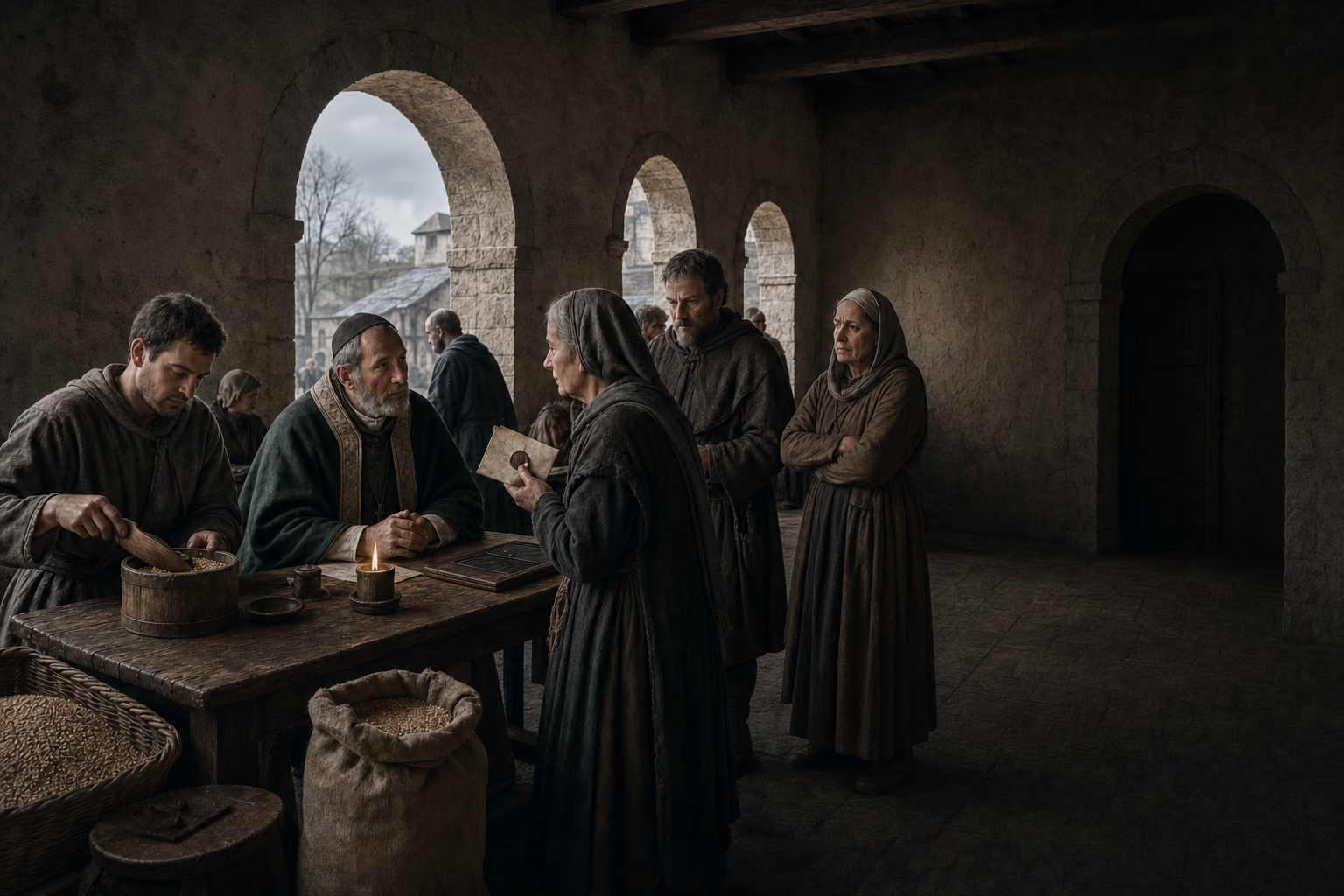
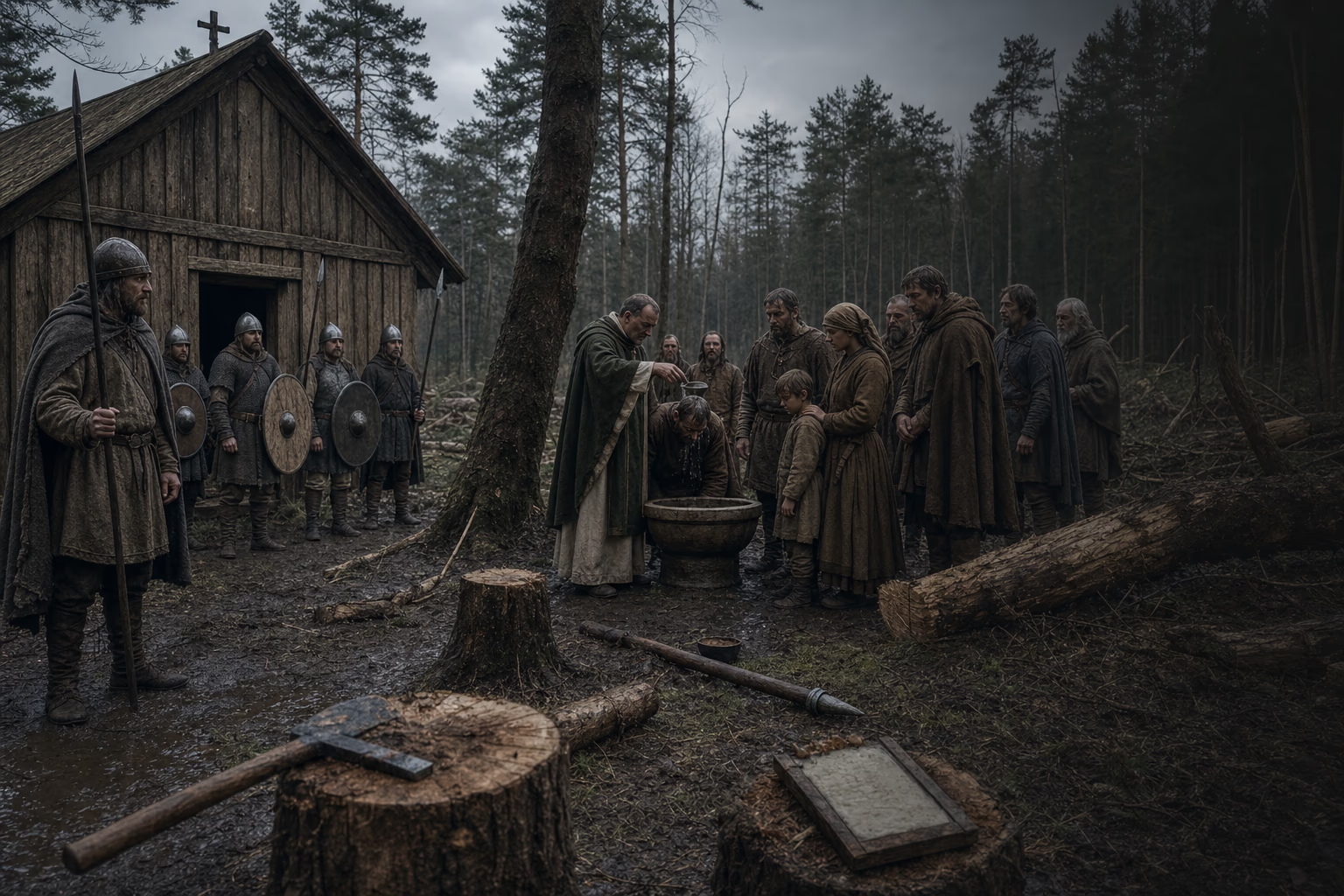
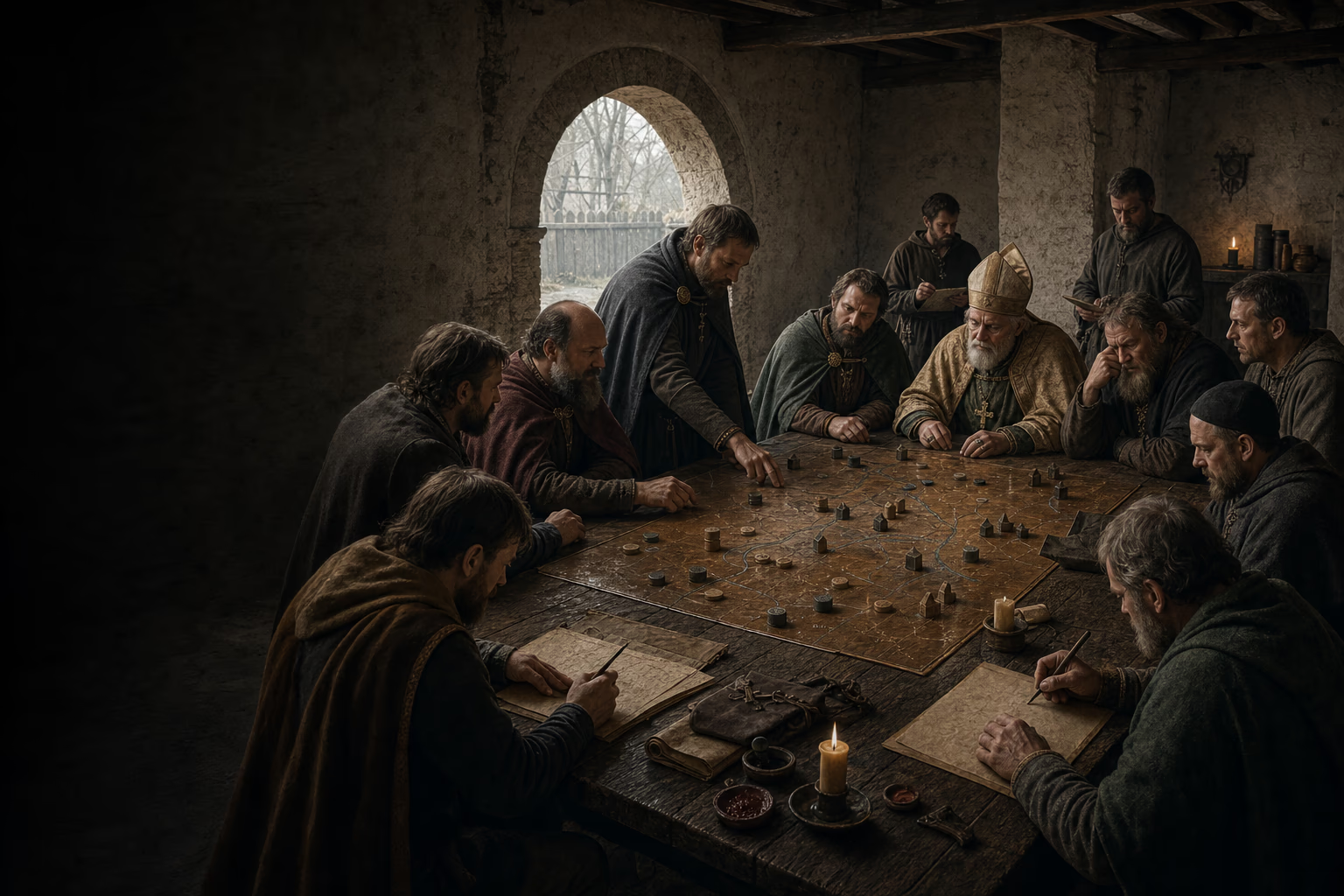
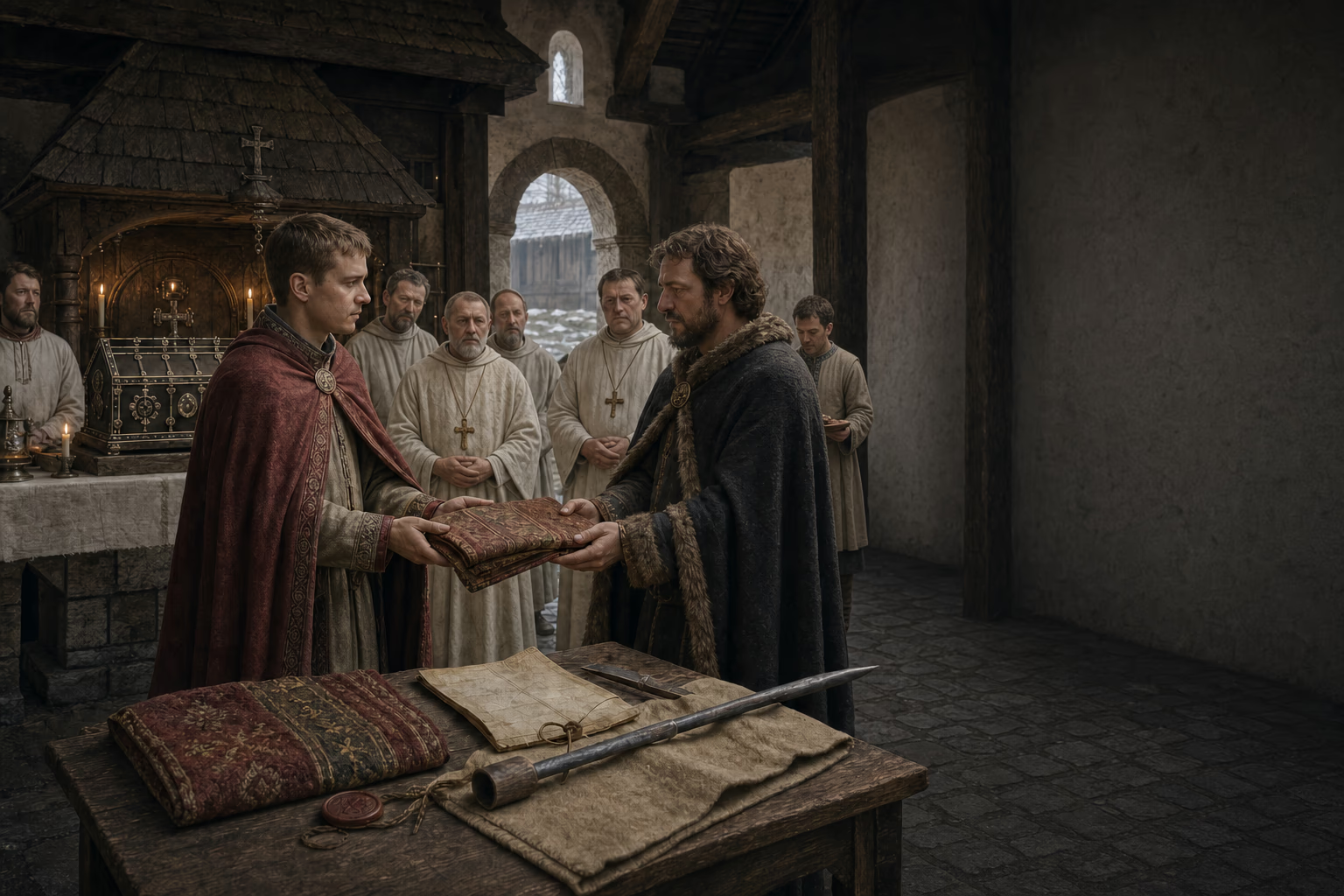
A generation after the last western emperor was deposed, Tours remained a city of walls, churches, workshops, estates and written claims. The imperial tax system had lost the scale and regularity it once possessed. Long-distance state supply contracted; local magnates controlled more land and armed followings; kings moved with courts whose reach depended on loyalty and presence. The Roman city had become a smaller political arena, governed through bargains among rulers, landholders, clergy and communities.
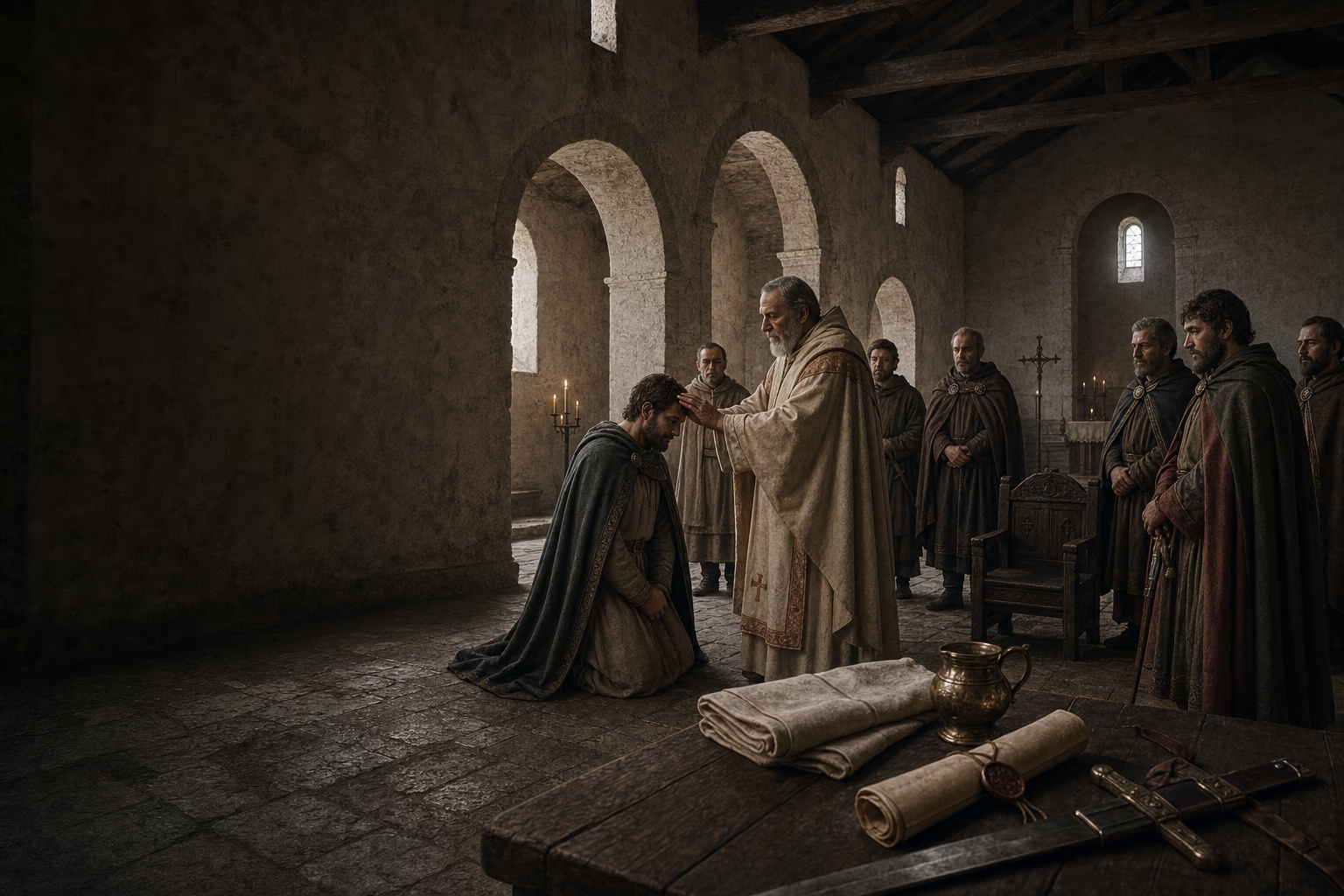
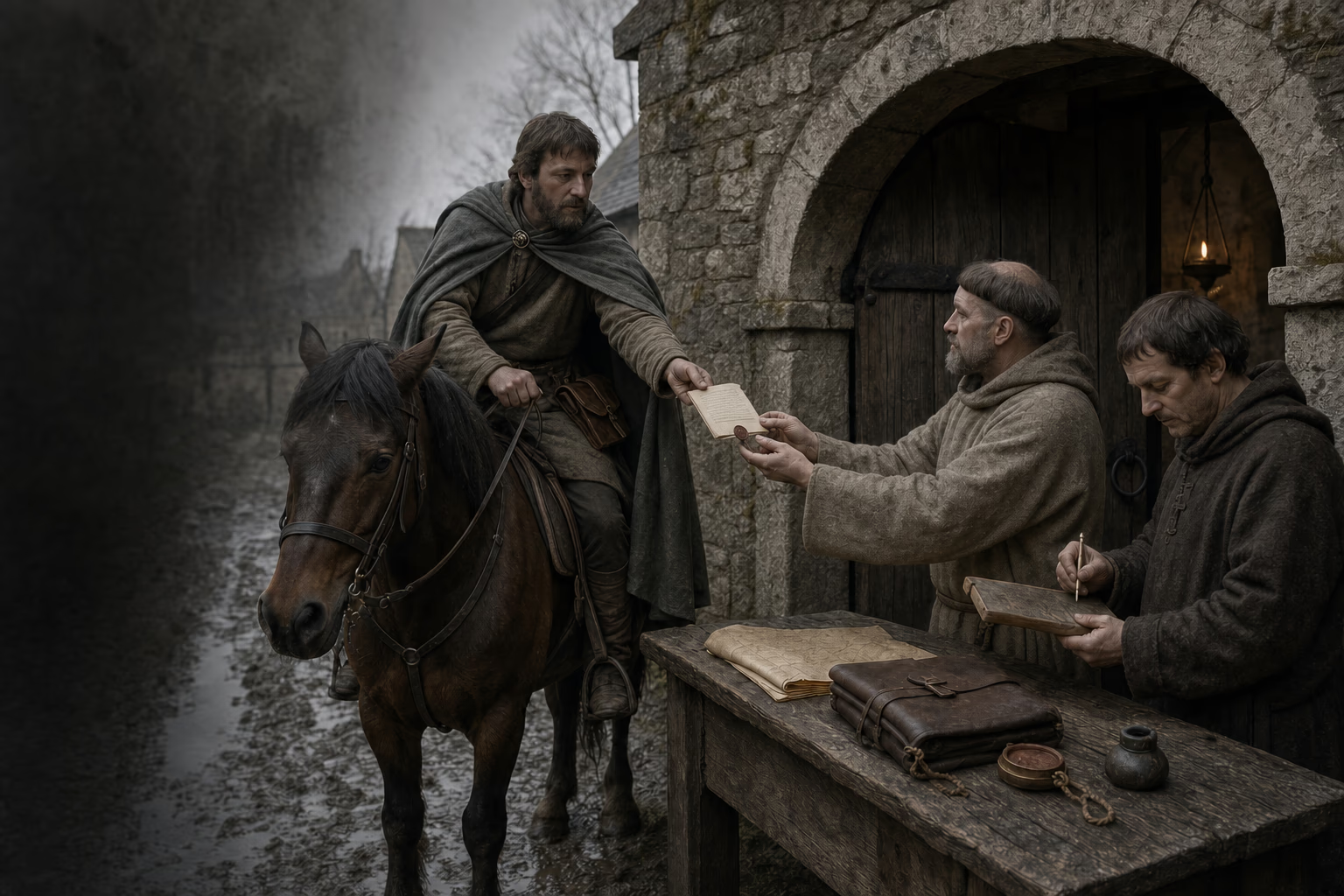
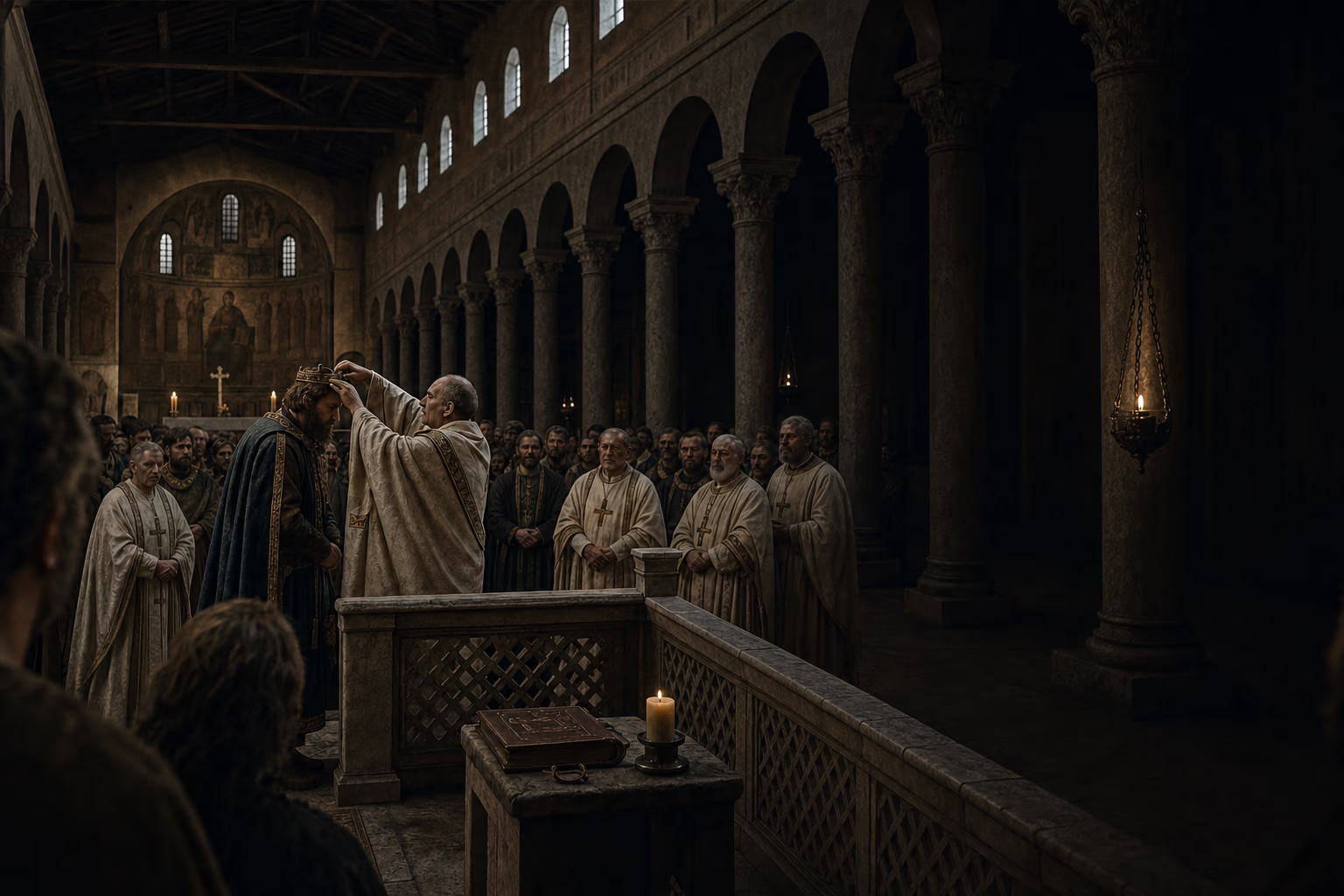
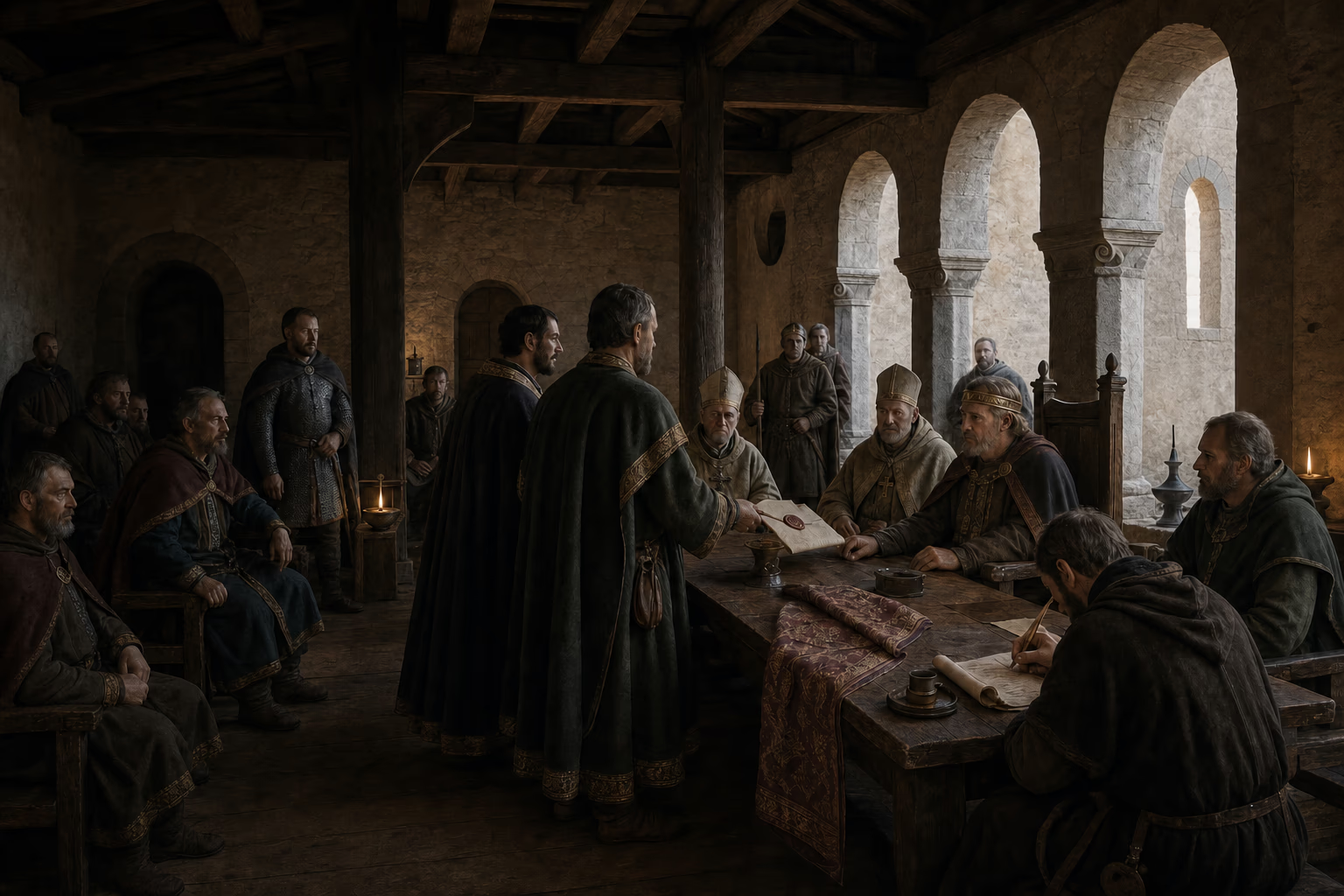
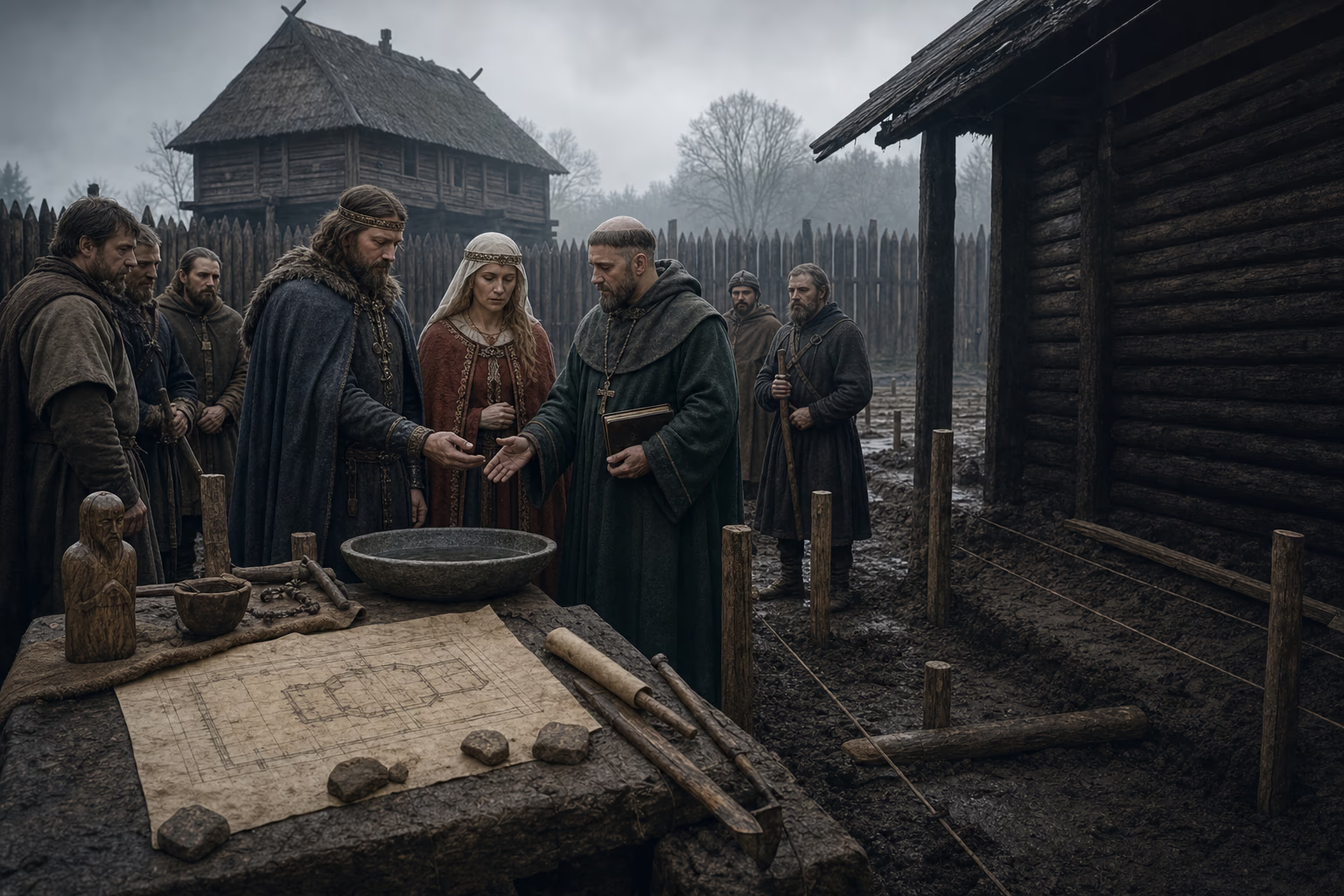
Continuity lay in practices rather than an intact state. Latin remained the language of law and worship. Titles, fiscal privileges, land registers and the prestige of Roman office entered the service of successor kings. Roads, bridges and stone buildings survived unevenly because people repaired what their reduced resources allowed. Western Rome ceased to command its former provinces, while Roman property, Christian institutions and written memory supplied the materials from which new governments could be assembled.
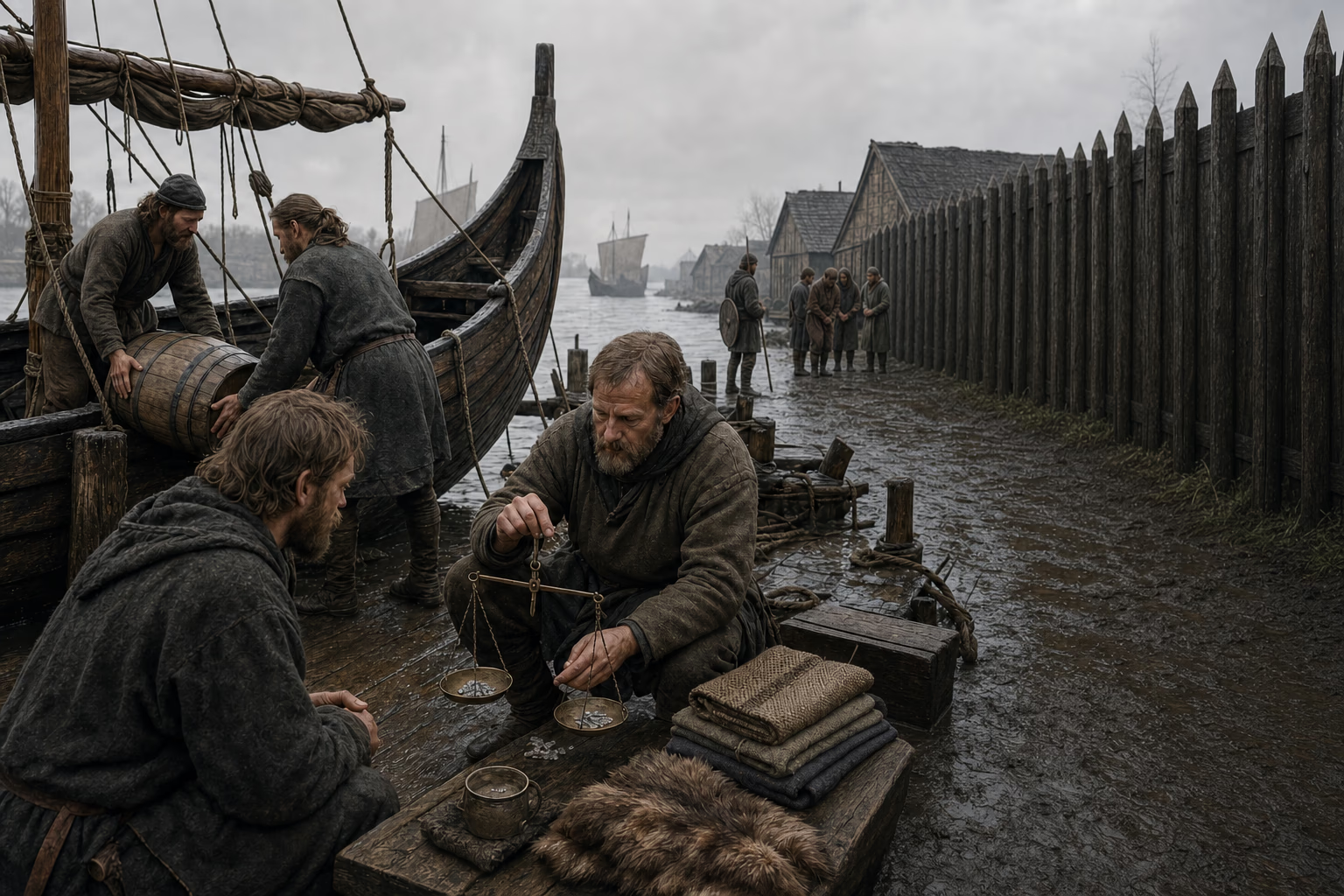
The scale of change differed across the old empire. Parts of Italy, Gaul and Iberia retained cities, coinage and Mediterranean exchange; Britain lost most Roman urban and fiscal structures; rural communities everywhere carried a larger share of subsistence and defence. “Post-Roman” names a common political rupture whose material consequences remained regional.
What survived
- Archaeology records sharply different regional contractions in settlement, exchange and public construction after Roman rule.
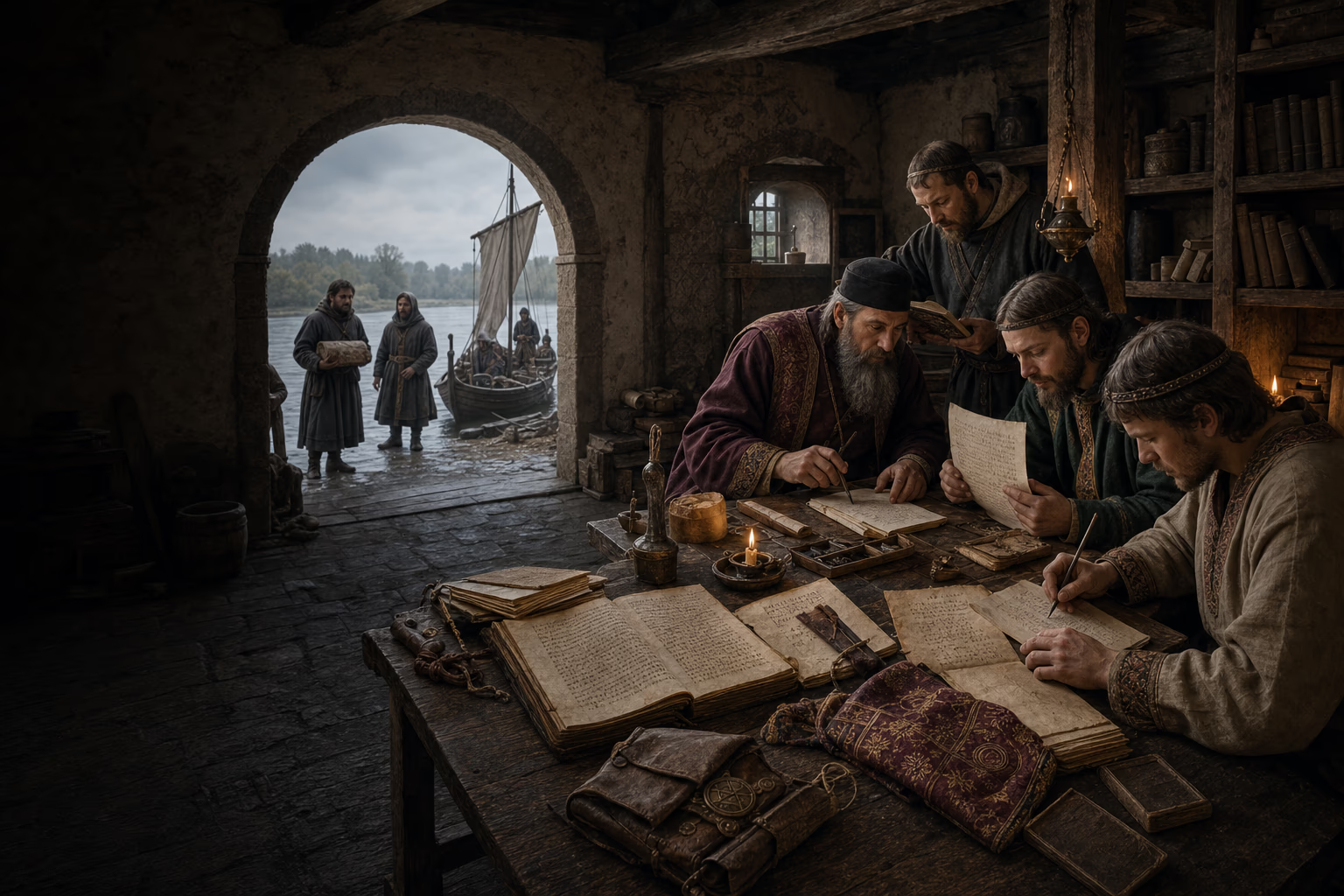
- Law codes, charters and episcopal histories preserve Roman titles and property forms inside successor kingdoms.