A Kingdom Falls in One Campaign
The Umayyad crossing destroyed the Visigothic monarchy and made Christian survival an exposed northern undertaking.
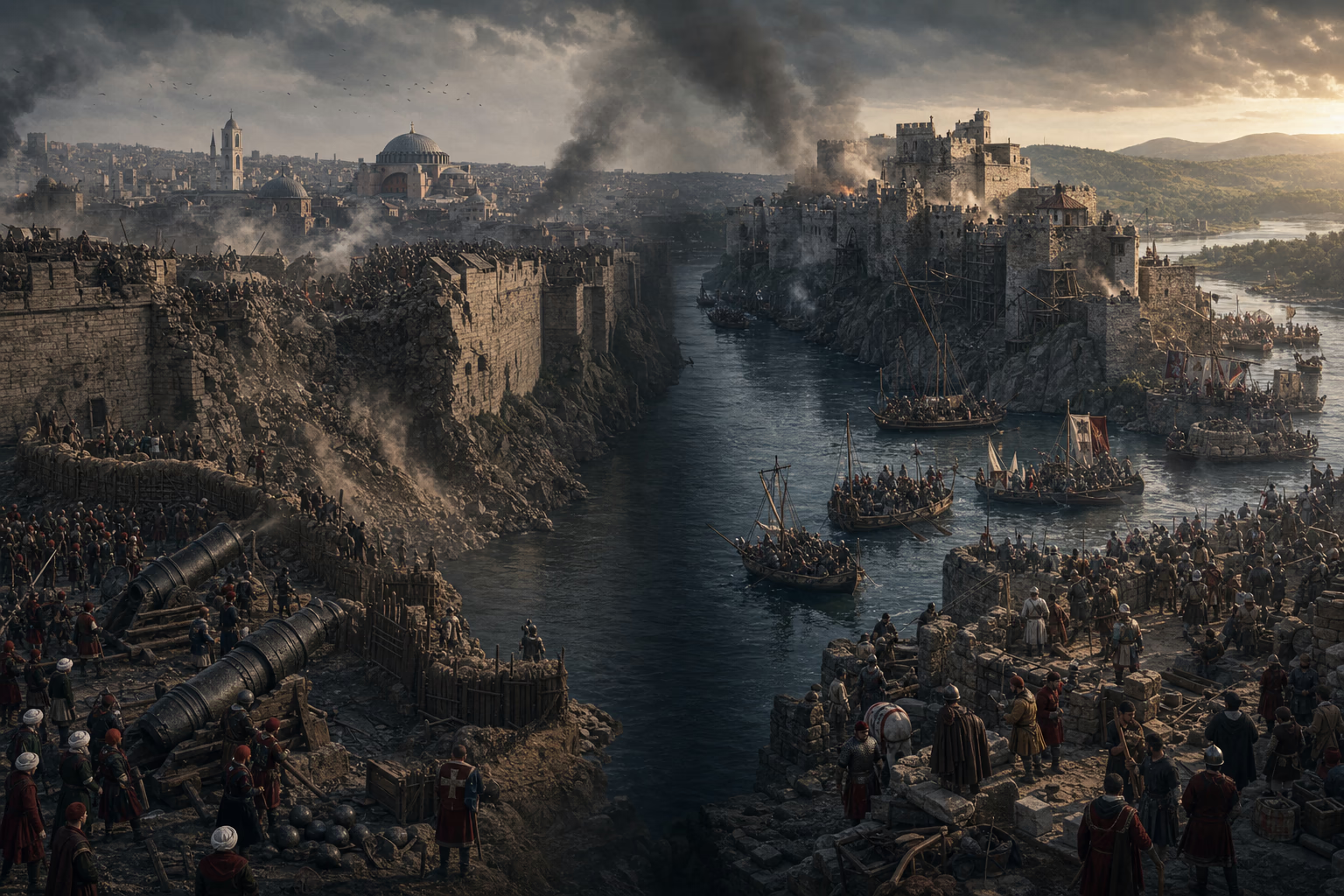
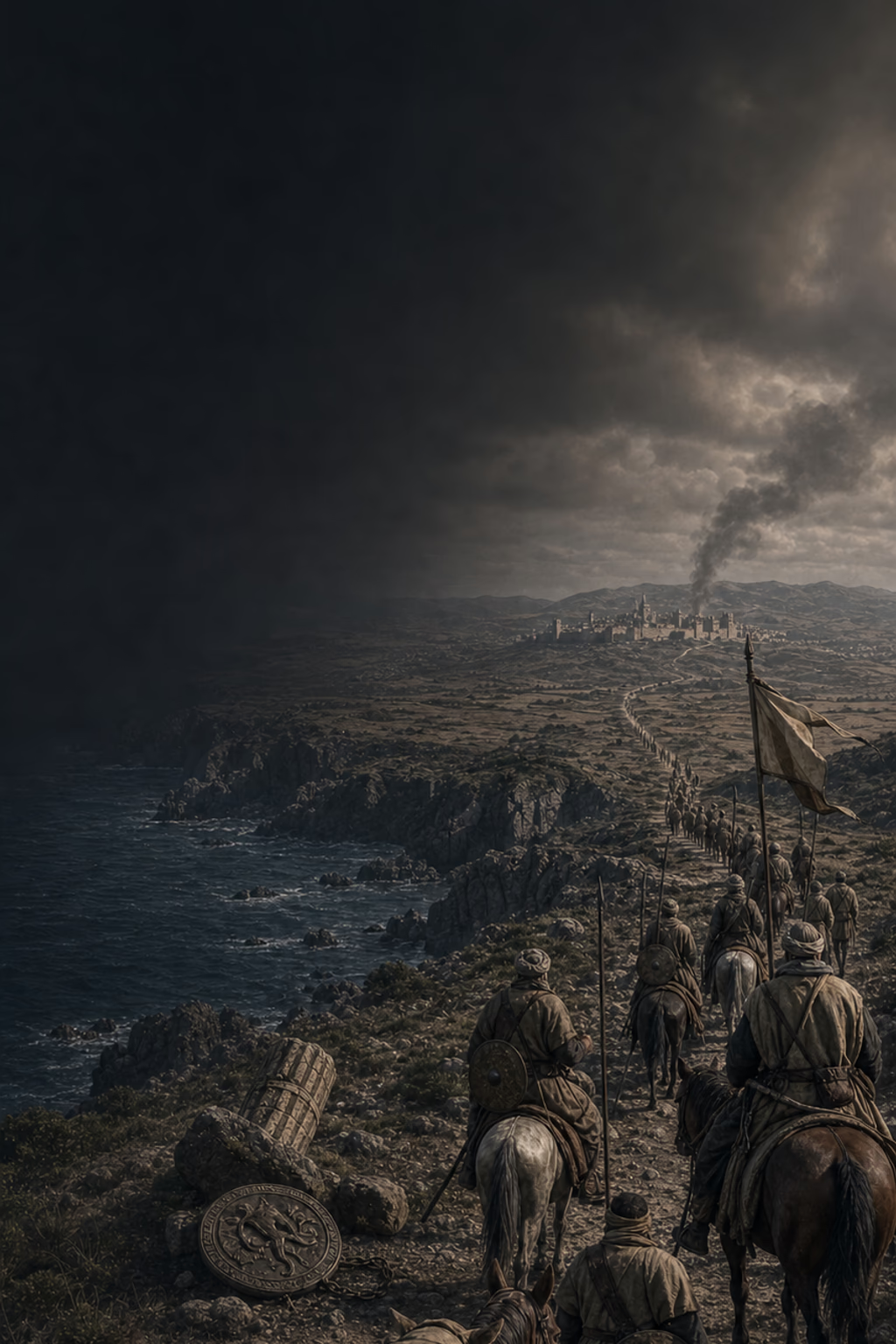
In 711, Tariq ibn Ziyad crossed the strait with an army drawn largely from the recently conquered Berbers of North Africa and acting under Umayyad command. King Roderic met him in the south and lost the battle commonly placed near the Guadalete. The king disappeared with the field army. A monarchy that had ruled most of Iberia from Toledo suddenly lacked the force, succession and common purpose required to close the roads into its own heartland.
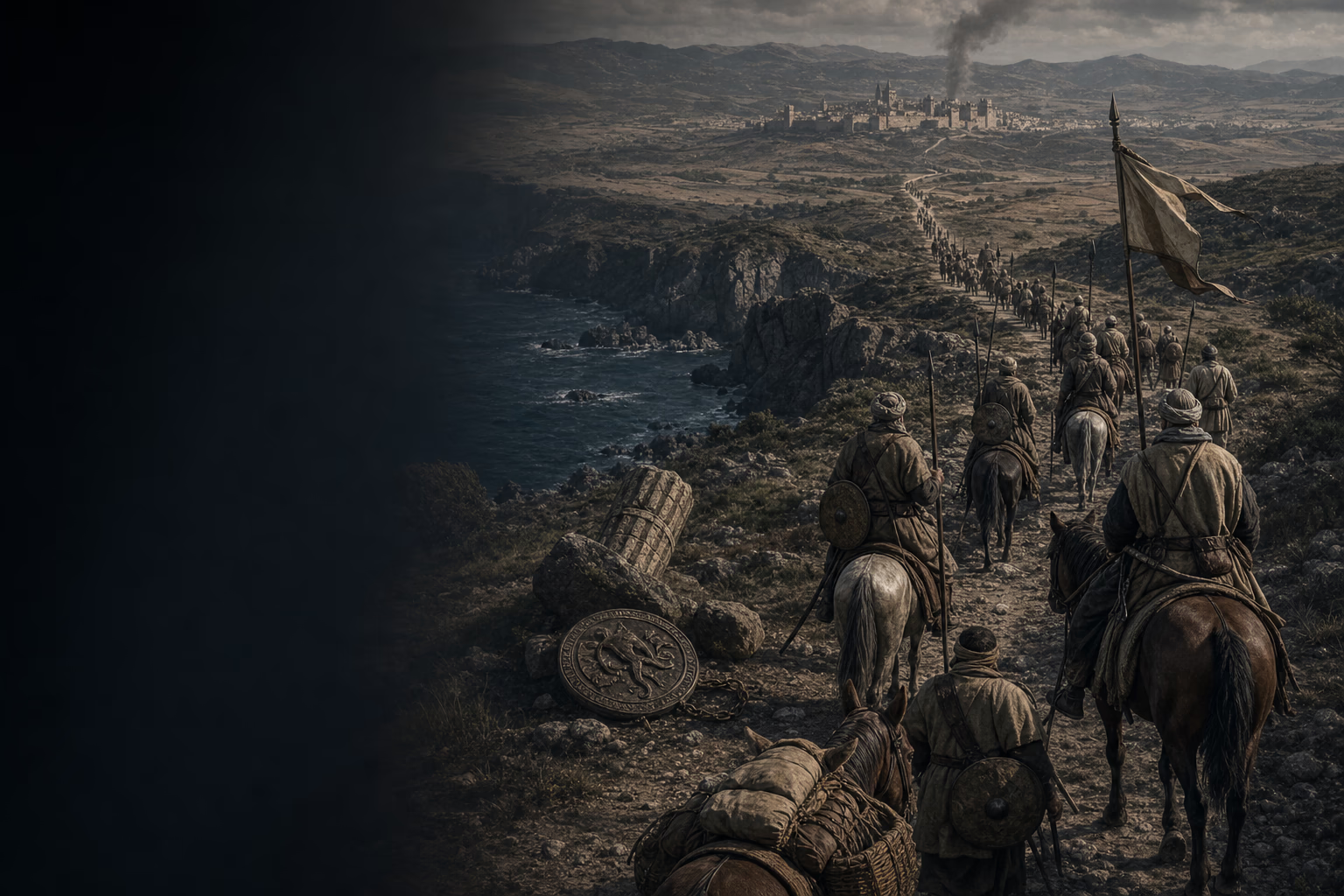
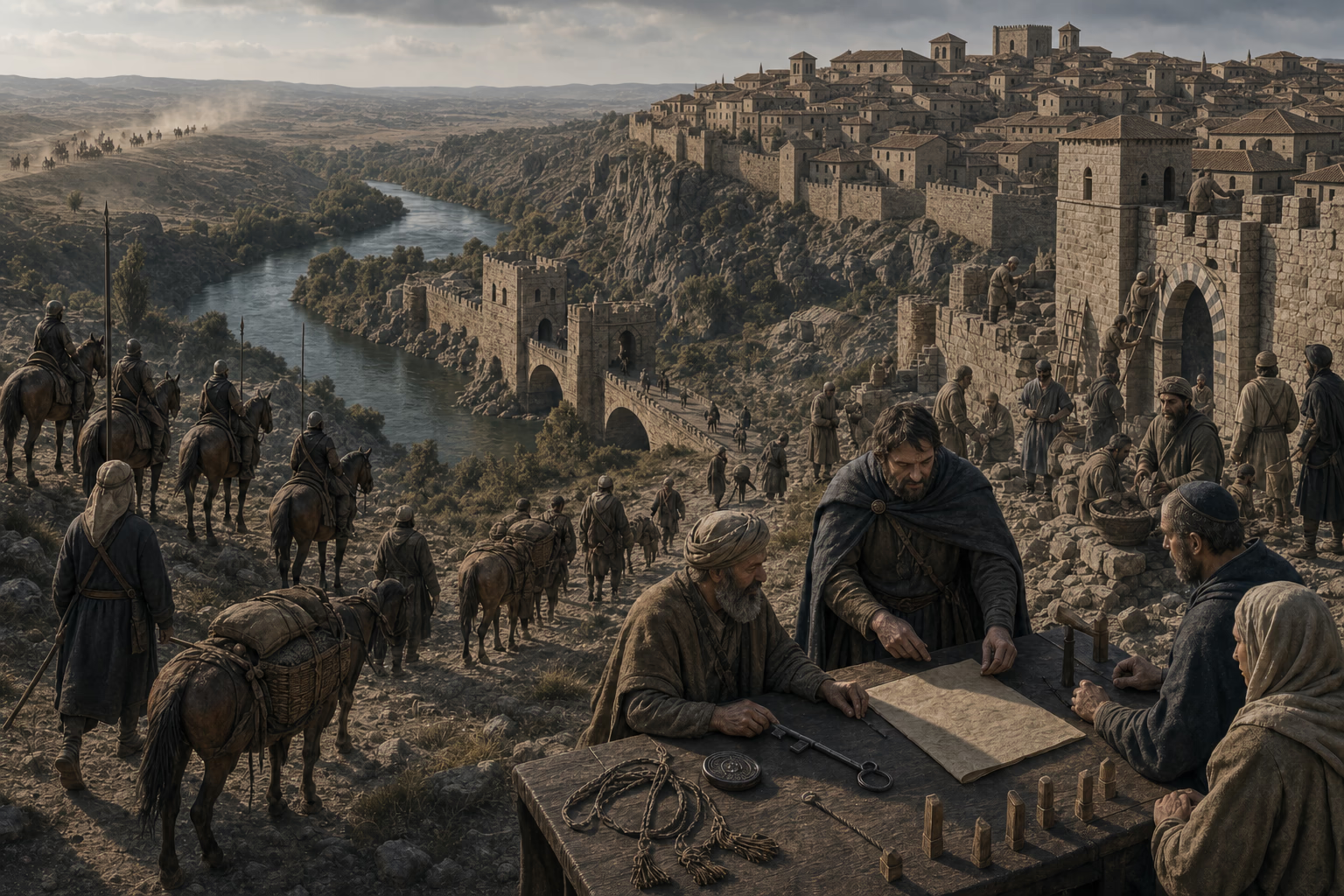
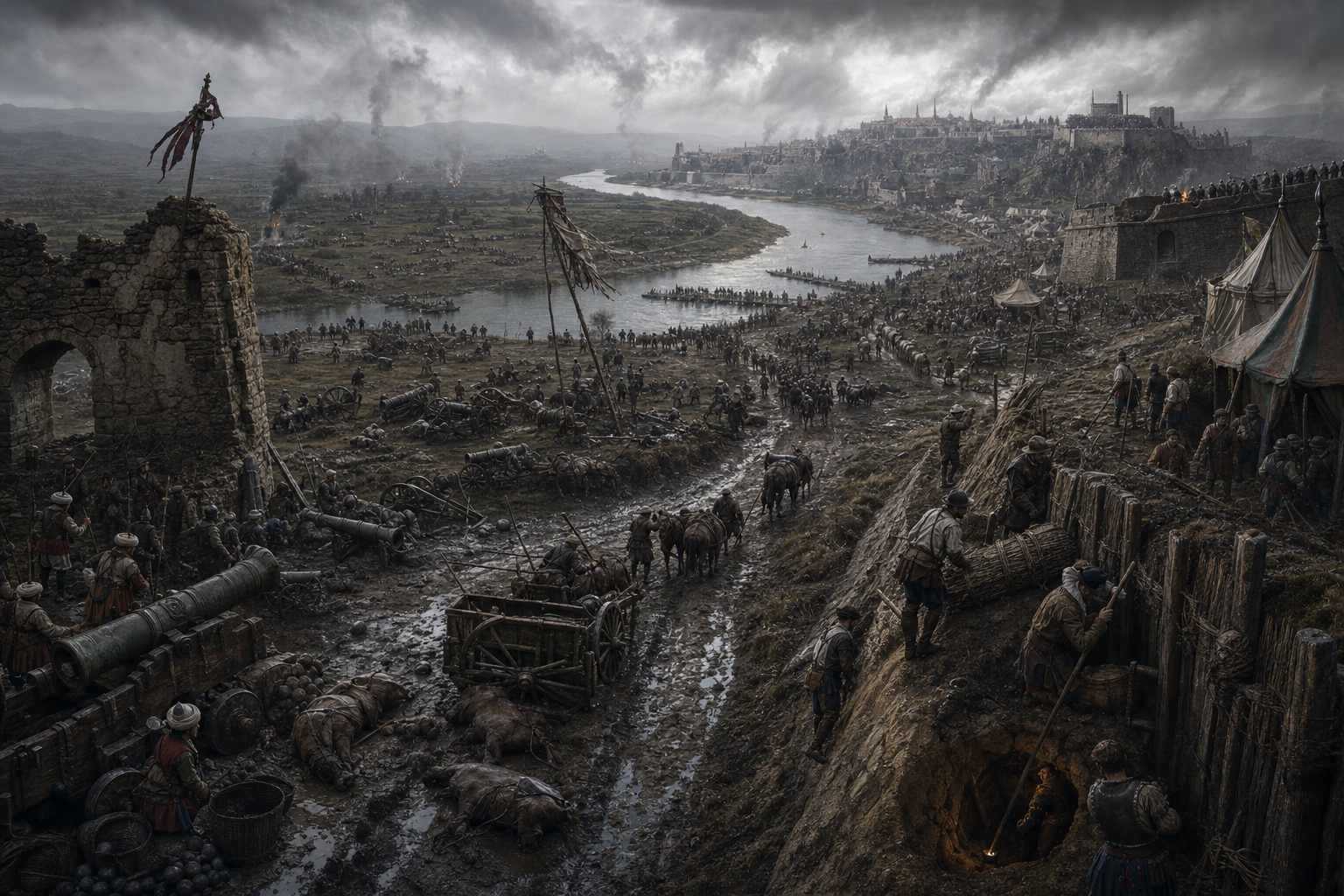
The conquerors advanced with speed and calculation. Córdoba fell, Toledo was occupied and Musa ibn Nusayr brought further forces across the strait. Some towns resisted, others capitulated under terms, and rival Visigothic elites pursued local survival after the royal centre had broken. Within a few years, Muslim governors commanded nearly the whole peninsula and sent expeditions beyond the Pyrenees. Churches, estates and communities entered a new order in which Islam ruled and Christians lived as a subordinated population under tribute.
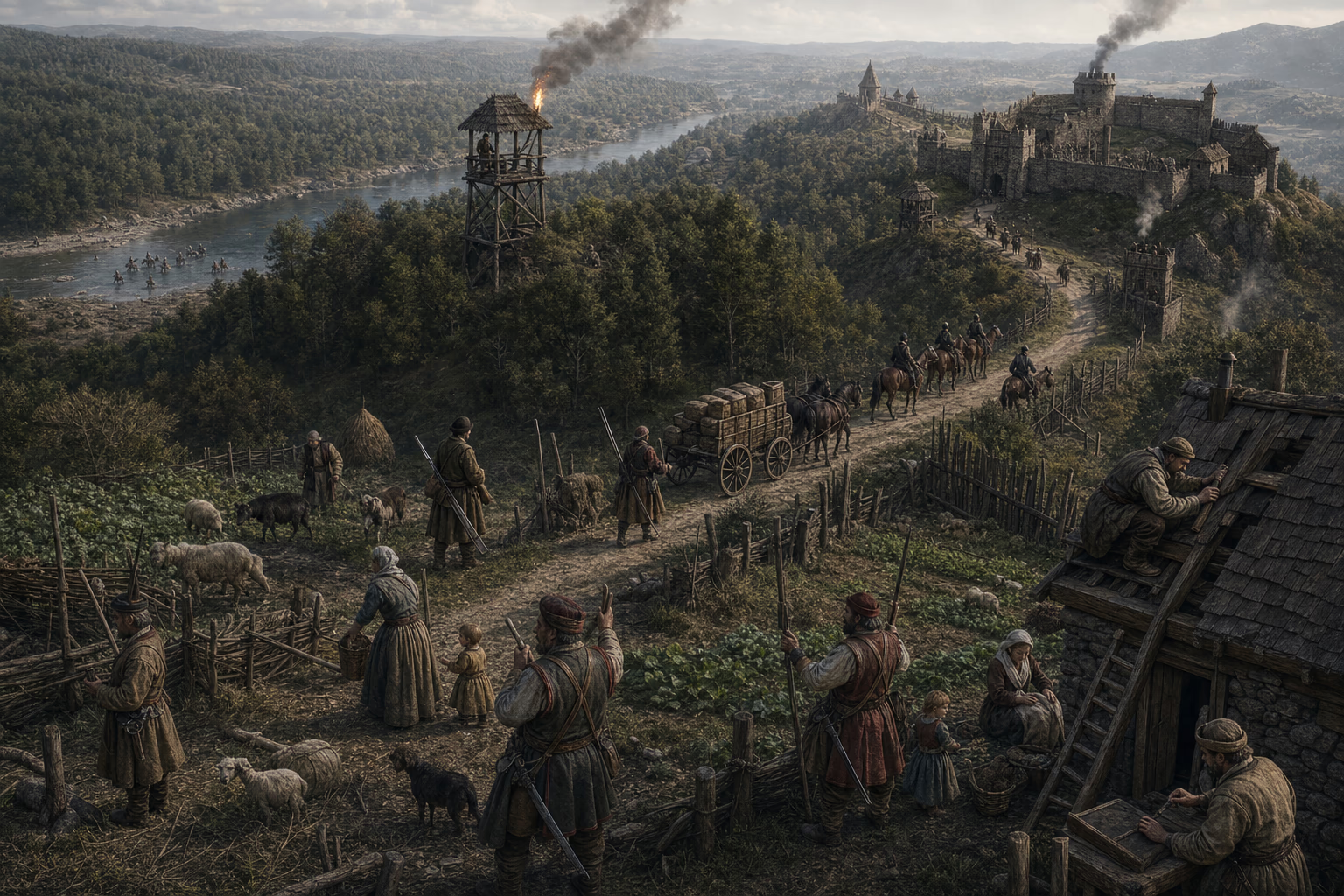
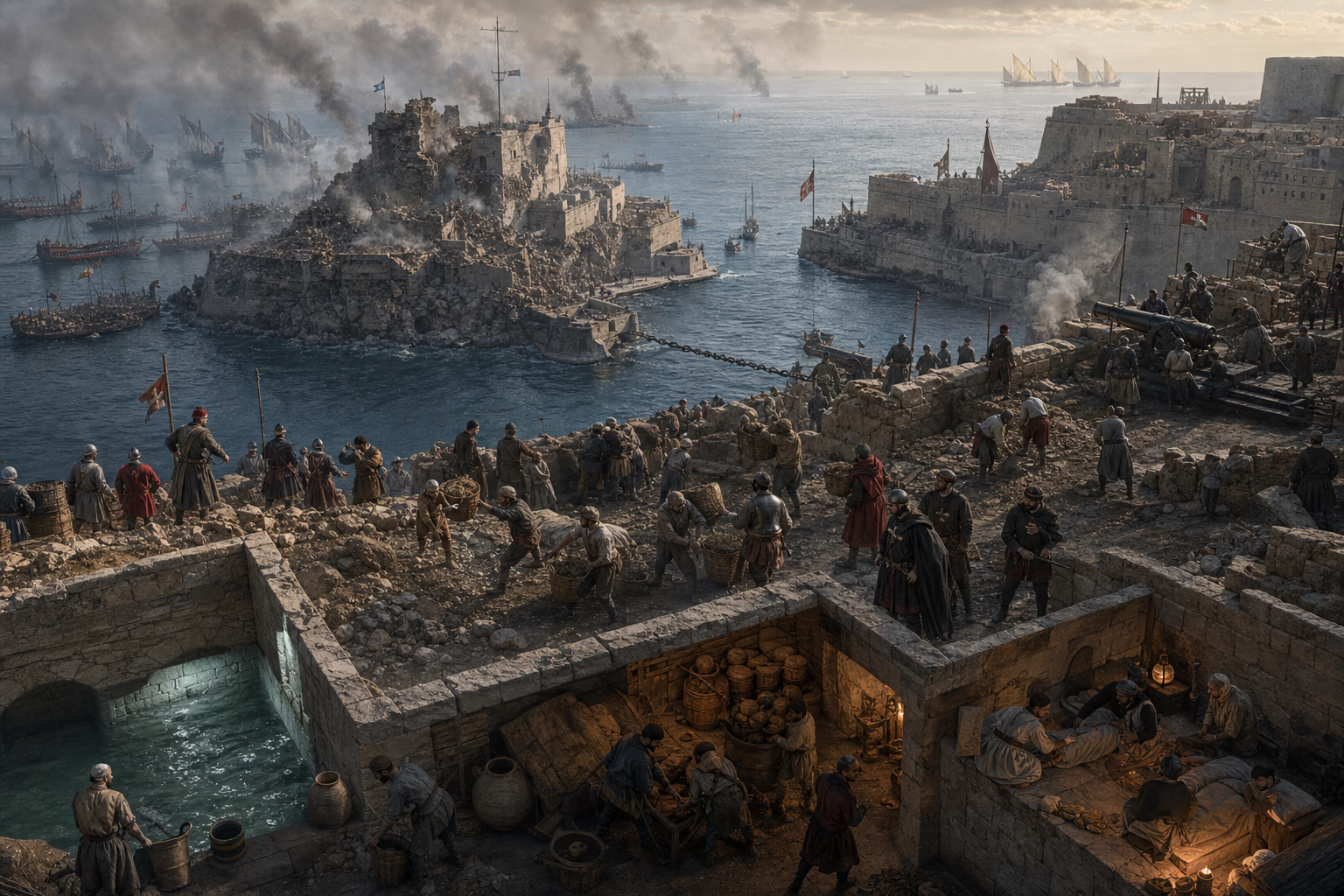
For the people whose kingdom had vanished, these were the barbarians at the gate in the oldest and plainest meaning: foreign armed men who had crossed the sea, killed resistance, taken captives and imposed rule by conquest. Their commanders possessed strategy, administration and an imperial purpose; those strengths made the danger greater. No Christian field army in Iberia could now reverse the campaign. Nothing guaranteed that the surviving fragments would endure. Survival passed to lands beyond the secure reach of Córdoba, where mountains, weather and political memory might keep one crown alive long enough to begin again.
What survived
- The army led by Tariq in 711 defeated Roderic and was followed by Musa’s forces; the Visigothic political centre collapsed as cities were taken or capitulated.
- Coins, charters and the rapid appearance of Umayyad governors record the replacement of the Visigothic monarchy by a new ruling power across almost the whole peninsula.
Hugh Kennedy (1996)Bernard F. Reilly (1993)Roger Collins (1989)