A Sign Before Battle
Constantine’s victory joined the Christian God to Roman imperial success without making the empire Christian in a single day.
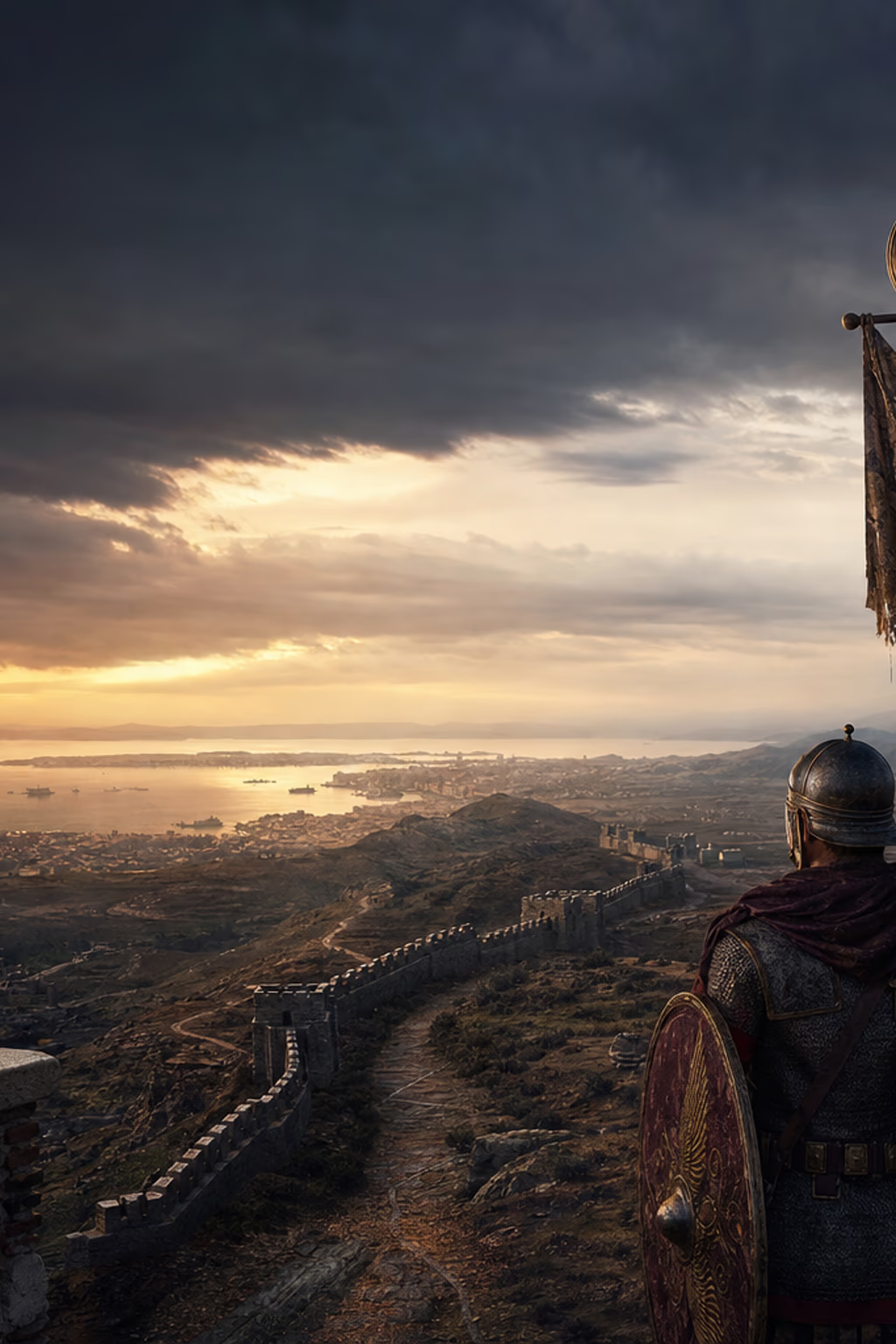
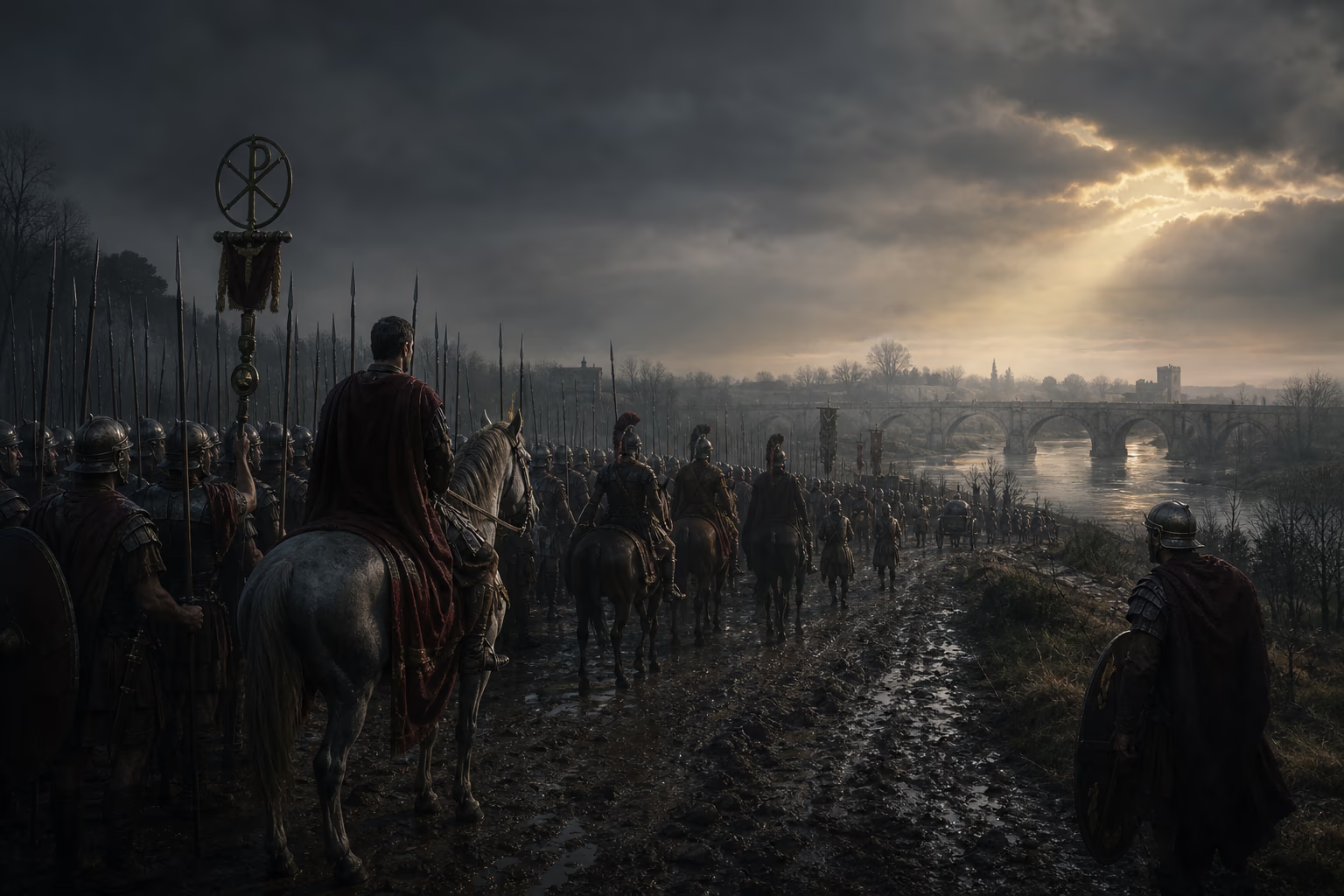
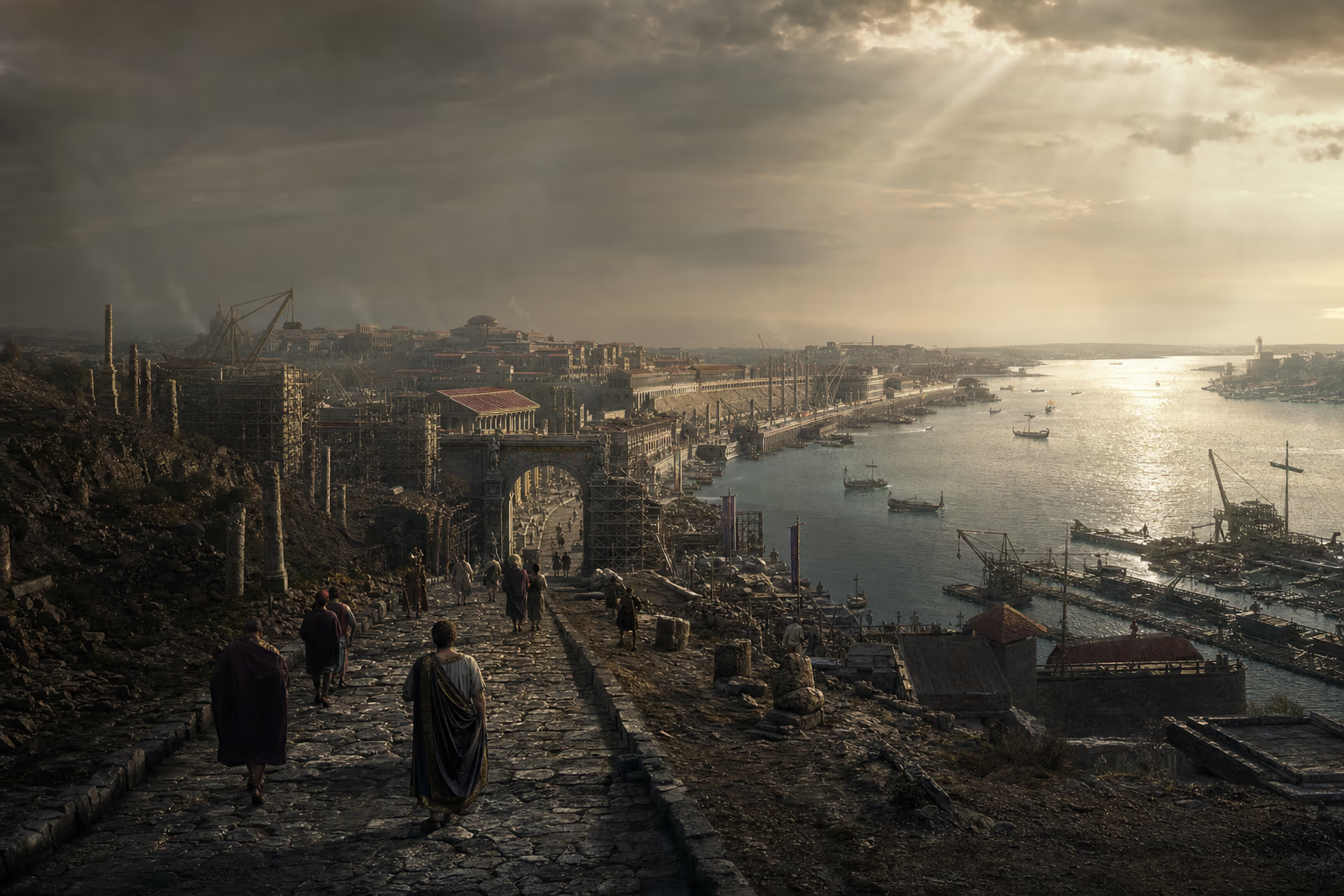
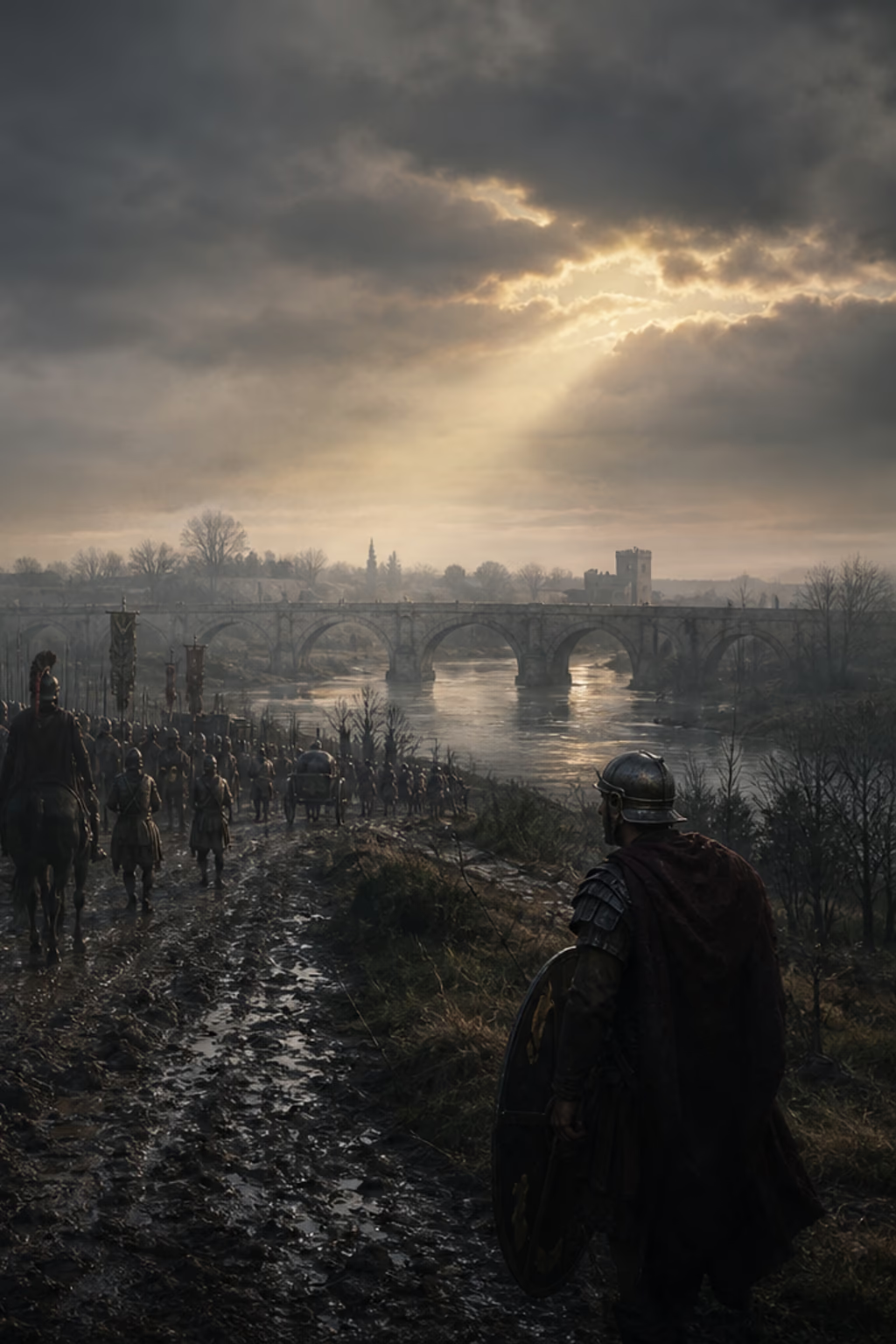
Two armies meet where the Via Flaminia reaches the Tiber. Maxentius holds Rome and commands the larger political prize; Constantine has marched rapidly from Gaul through northern Italy. The battle ends with Maxentius drowned during the collapse or congestion of his river crossing. Constantine enters the city as sole ruler of the western empire, while the Senate dedicates an arch that attributes his victory to divine inspiration without naming the Christian God.
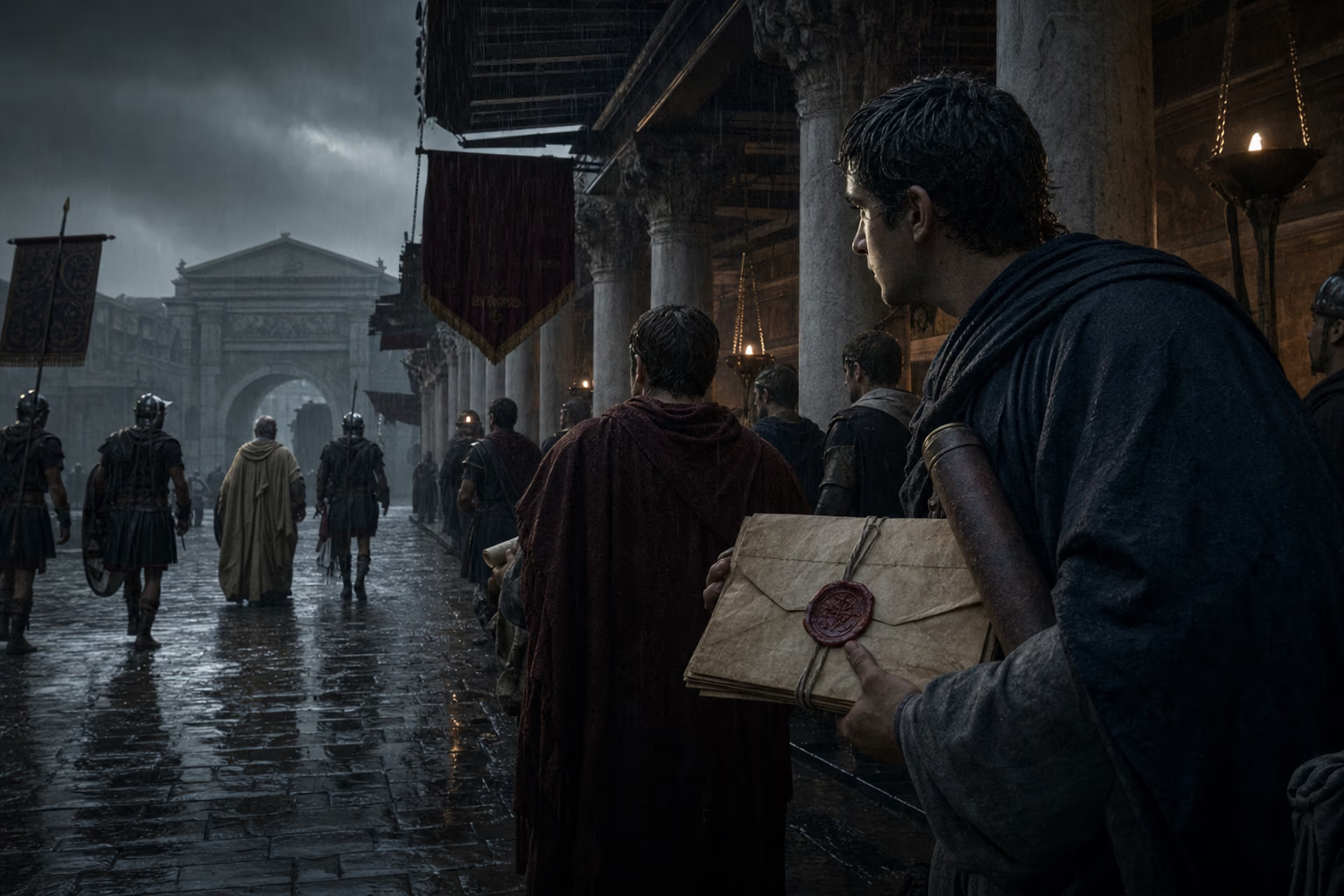
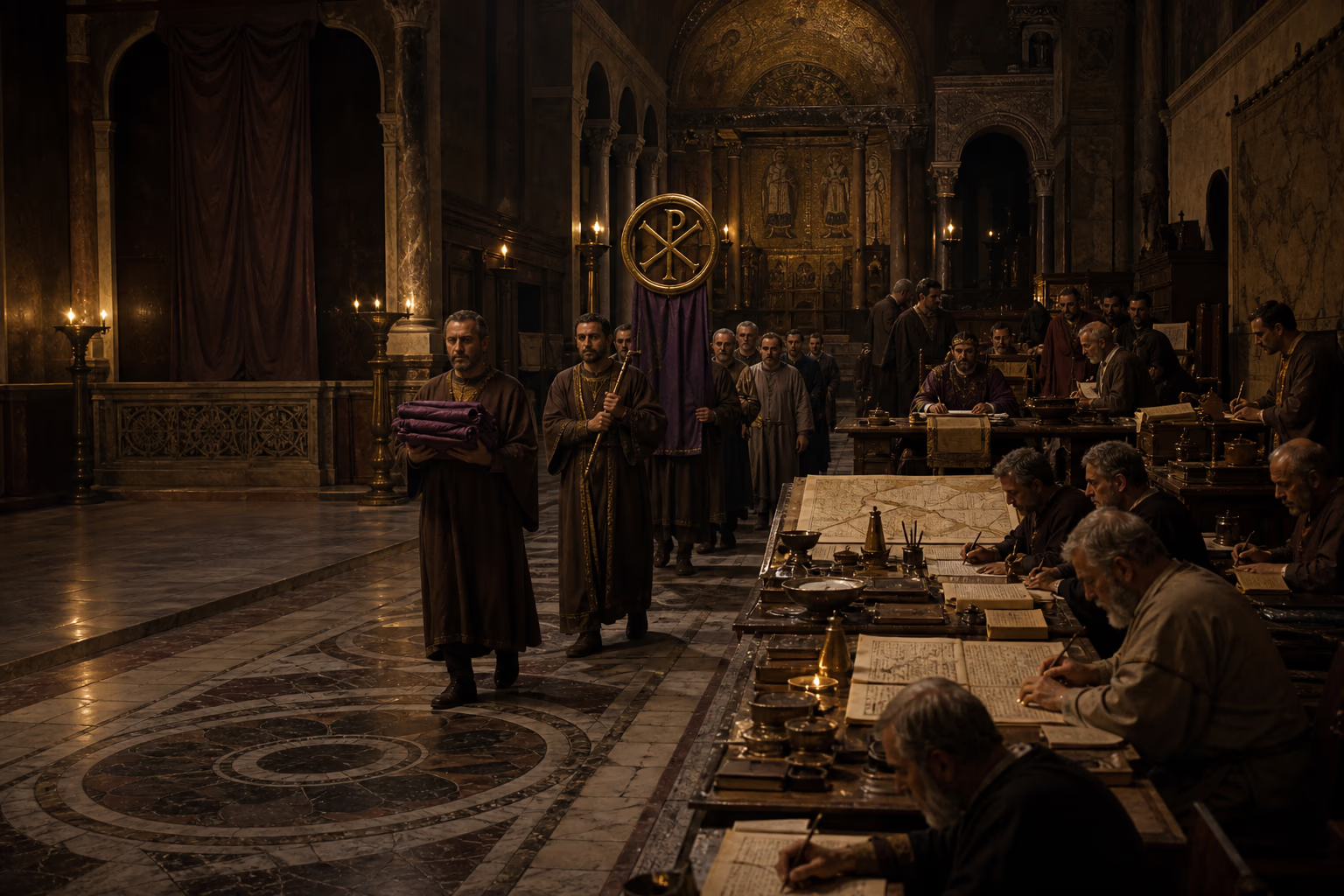
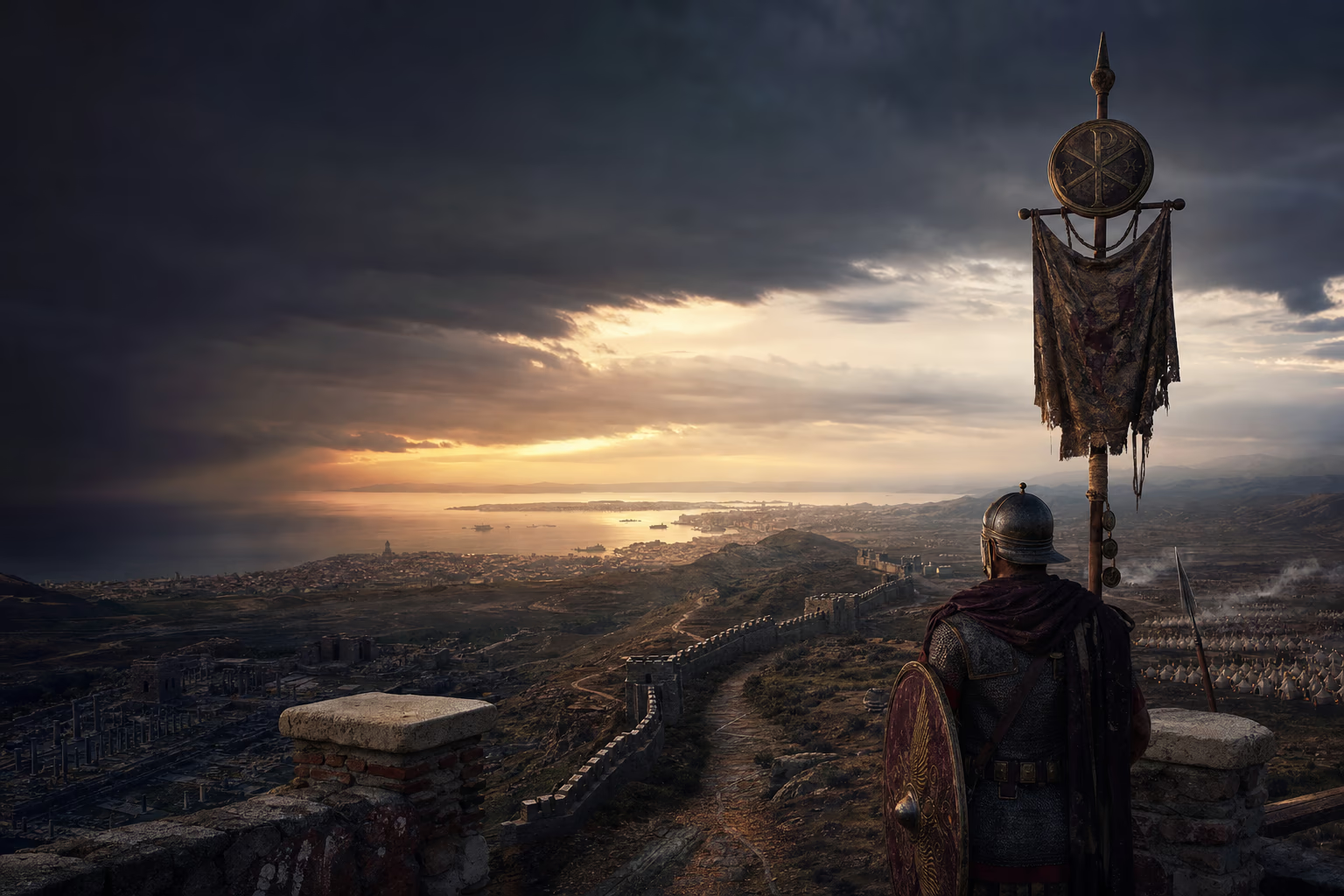
Christian writers gave the victory a sharper sacred meaning. Lactantius reports that Constantine was instructed in a dream to mark a heavenly sign on his soldiers’ shields. Eusebius later describes a vision of a luminous trophy above the sun and a dream in which Christ explains it. The accounts differ in date, form and literary purpose. They establish that Constantine and his court came to remember the campaign through a Christian sign whose force lay in victory.
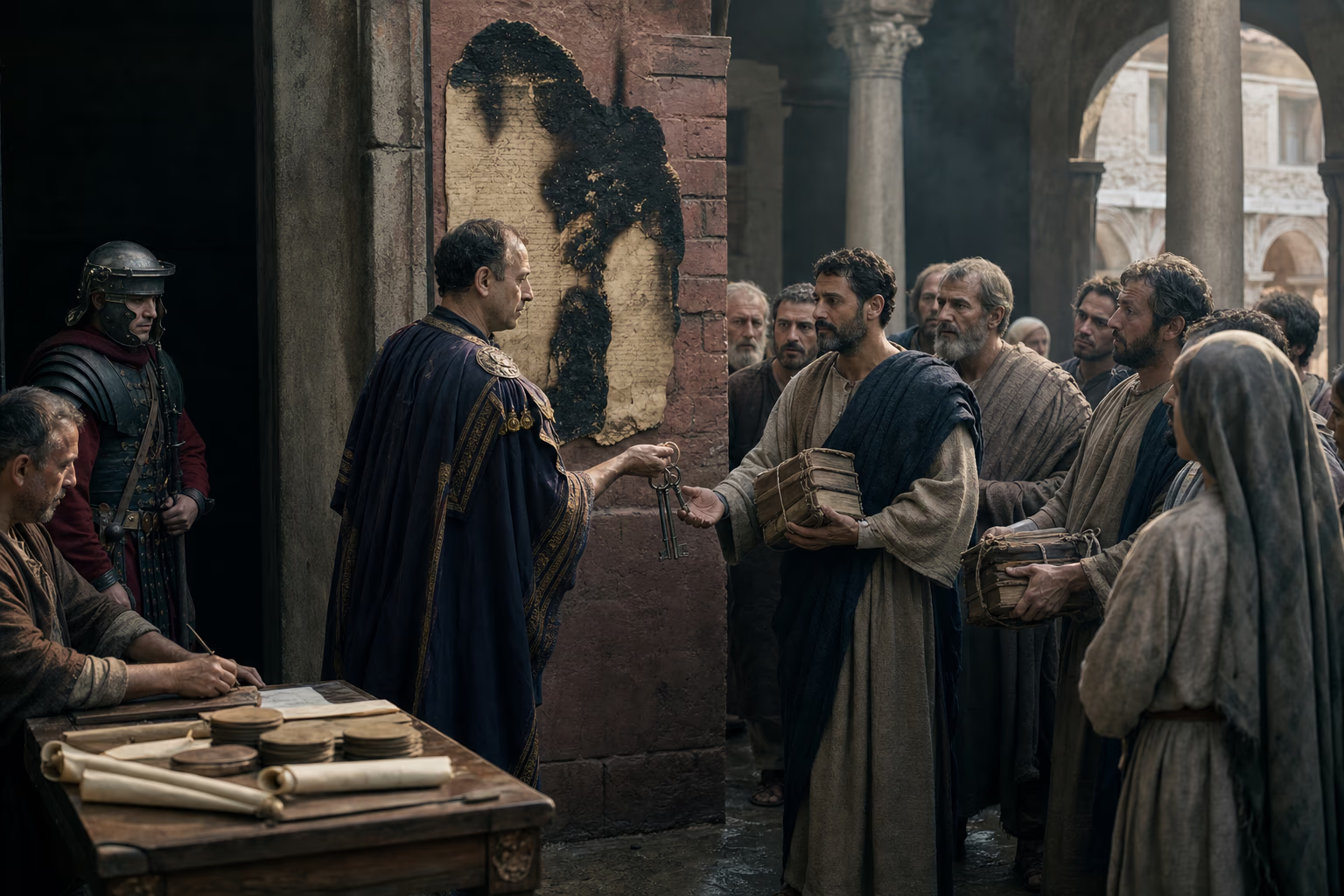
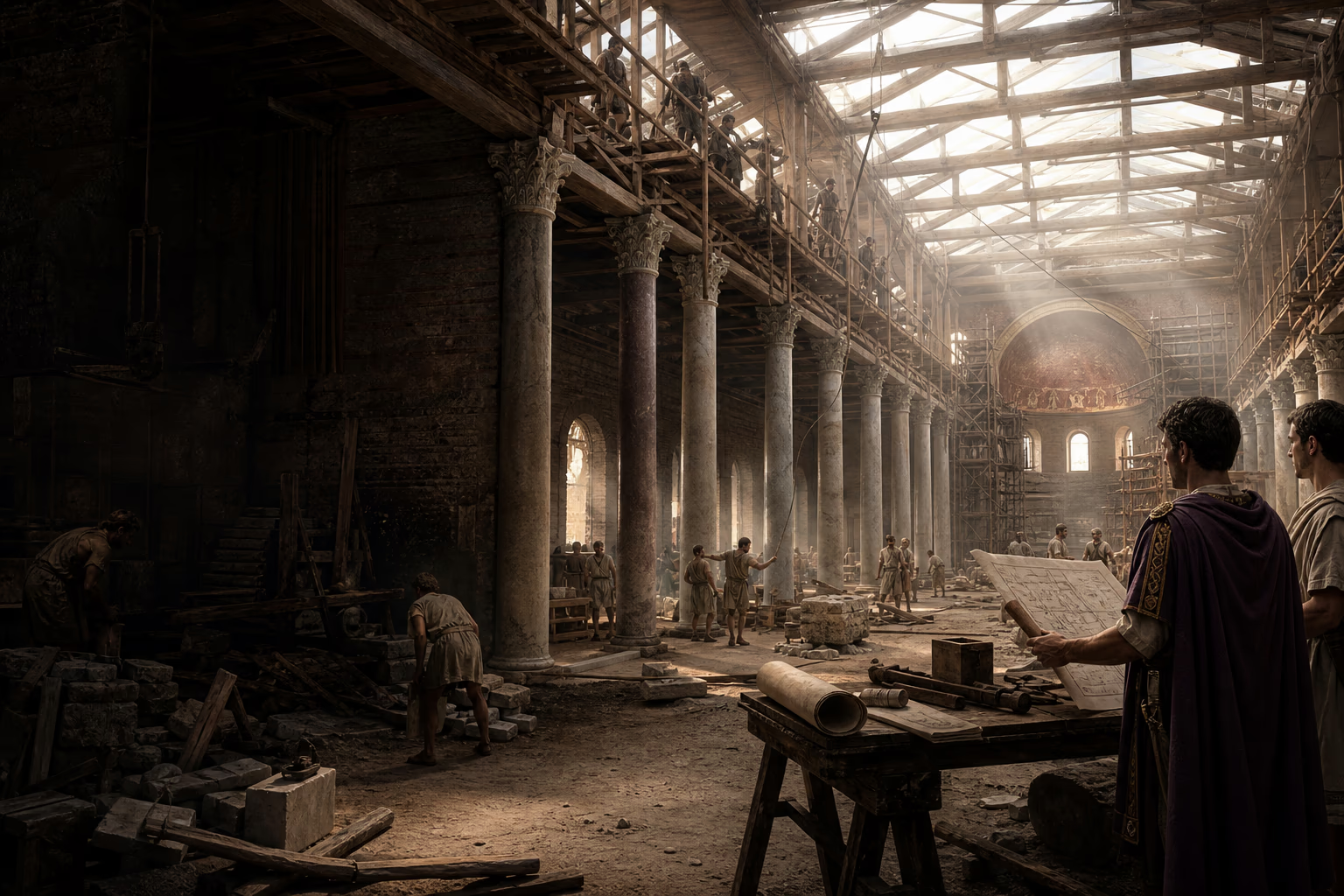
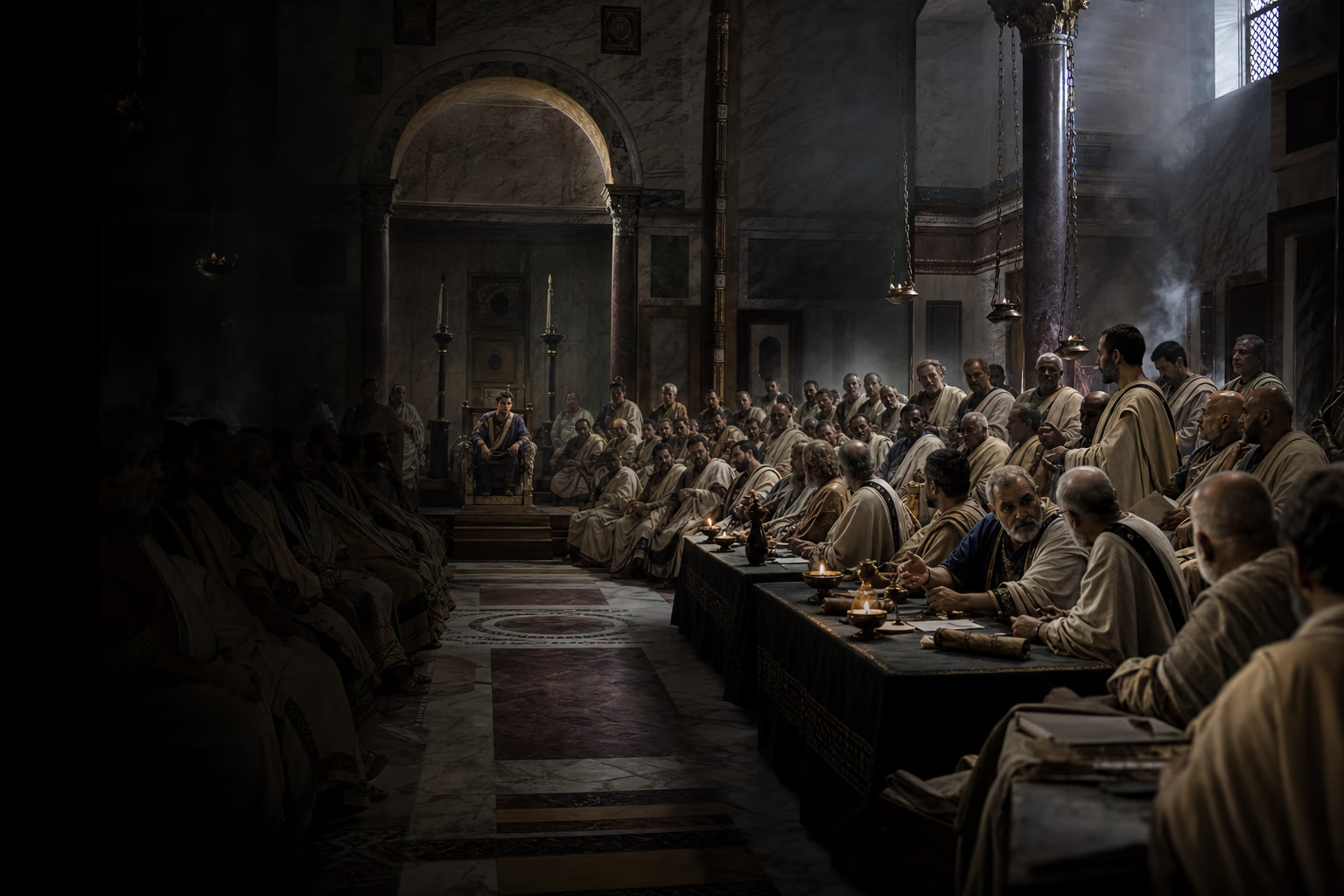
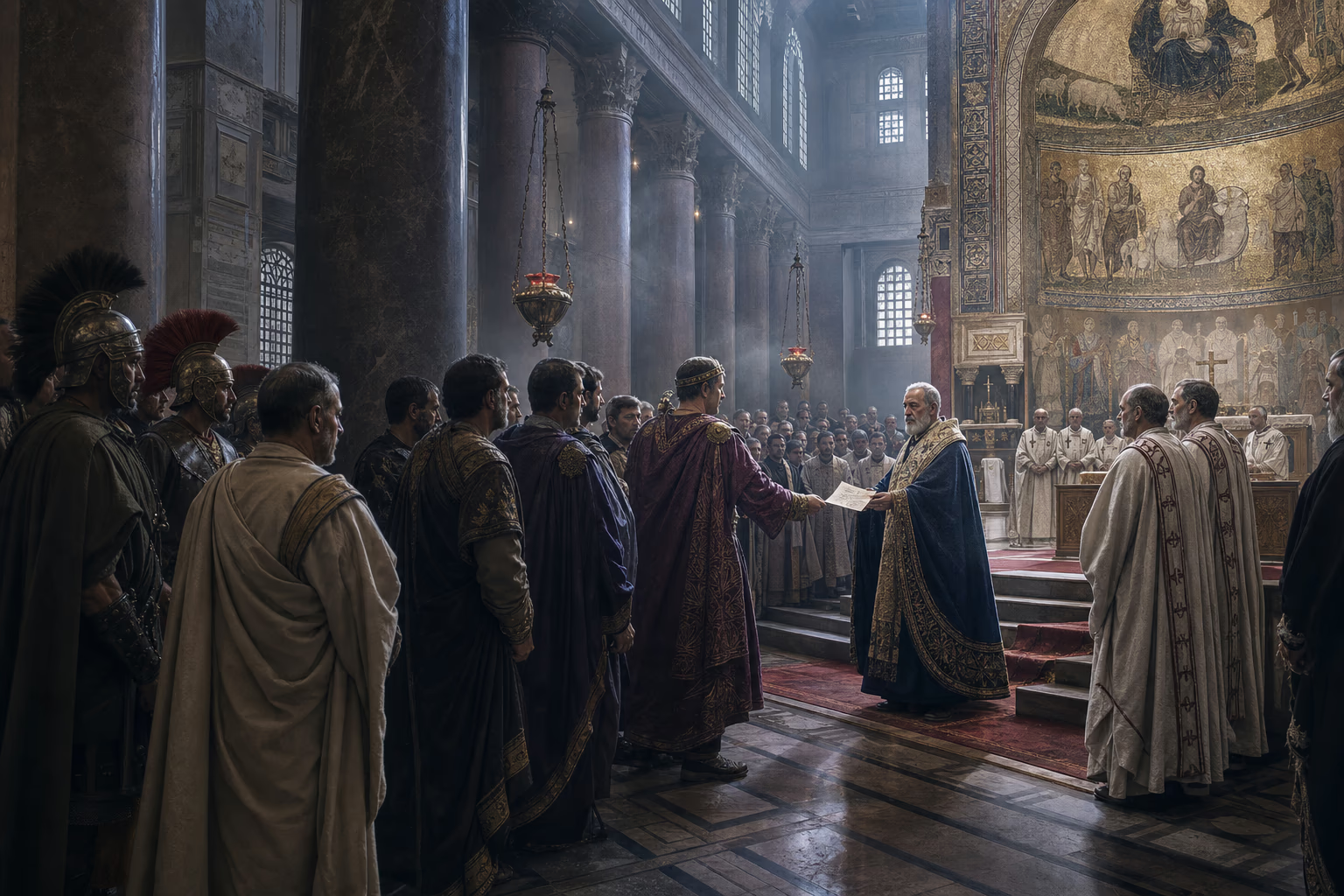
The emperor did not abandon Roman government, the army or the ancient capital’s public forms. He added a new divine patron to imperial rule and moved decisively toward the churches that had survived persecution. Money, law, land and access followed. A faith once exposed to magistrates now possessed the favour of the man whose success decided which magistrates would govern.
What survived
- The Arch of Constantine, coins, panegyrics and the two Christian narratives preserve distinct public languages for the victory of 312.
- Lactantius and Eusebius agree on a Christian sign while differing over the experience and its setting.
Raymond Van Dam (2011)Eusebius of Caesarea (fourth century)Lactantius (early fourth century)R. Ross Holloway (2004)